Blogs, News, & Press Releases
Marine‑grade does not automatically mean durable, compliant, or right for your operation. It means a product is intended for marine environments, but the level of protection, construction quality, and real‑world performance can vary widely. If you assume marine‑grade guarantees long service life or regulatory compliance, you may end up with lighting that fails early, creates safety gaps, or causes avoidable downtime. Understanding what marine‑grade truly means helps you make smarter decisions before problems show up on the water. What Does "Marine‑Grade" Actually Mean? Marine‑grade means the product is designed to operate in wet, corrosive, high‑vibration environments. That is the baseline . It does not mean every marine‑grade product performs the same way or lasts the same amount of time. At its core, marine‑grade typically includes: Materials that resist corrosion from moisture and exposure Sealed housings to limit water intrusion Construction intended to handle vibration and movement Electrical components suited for marine power systems That definition is broad. Two products can both be labeled marine‑grade and perform very differently once installed on a working vessel. What Marine‑Grade Does Not Guarantee Marine‑grade does not guarantee long life, compliance, or suitability for your specific application. This is where many operators get caught off guard. Marine‑grade does not automatically mean: U.S. Coast Guard compliant Rated for continuous duty or long shifts Designed for inland river conditions Resistant to constant vibration and impact Properly sealed for washdowns or heavy rain Compatible with your vessel's electrical load A light can survive occasional exposure to water and still fail quickly when installed near engines, winches, or work areas that vibrate nonstop. Why Marine‑Grade Looks Different on Inland Vessels Marine‑grade products are often designed with a wide range of marine environments in mind. Inland operations create unique challenges that generic marine‑grade standards do not always address. On inland waterways, you deal with: Constant vibration from engines and tow operations Tight working areas with high impact risk Frequent night operations Mud, debris, and spray rather than open saltwater Long duty cycles with little downtime A fixture that performs fine on a recreational boat or marina dock may not hold up on a towboat or barge deck. Note: Marine-grade alone does not account for how hard inland vessels work.

Cheaper fixtures may look like the better option on paper, but over time, they quietly drive higher costs through failures, downtime, and repeated replacements.

Understanding why marine bulbs fail early on is the first step toward reducing downtime, improving safety, and extending the life of your lighting systems.
The inland marine industry is changing faster than many operators expected. As fleets age, regulations evolve, and expectations for safety and efficiency rise, marine lighting has quietly become one of the most critical areas of innovation. What used to be simple hardware has transformed into a suite of advanced, high‑performance systems designed to withstand the […]
The post Lighting Innovations Transforming the Inland Marine Industry in 2026 appeared first on Archway Marine.
As temperatures drop and daylight hours shorten, winter brings a unique set of challenges to marine operations. For vessels working on inland waterways, reliable lighting is one of the most essential components of safe navigation and efficient crew performance. Cold weather, moisture, and rougher winter conditions can take a toll on lighting systems, making proactive […]
The post Preparing Your Vessel’s Lighting for Winter Operations appeared first on Archway Marine.
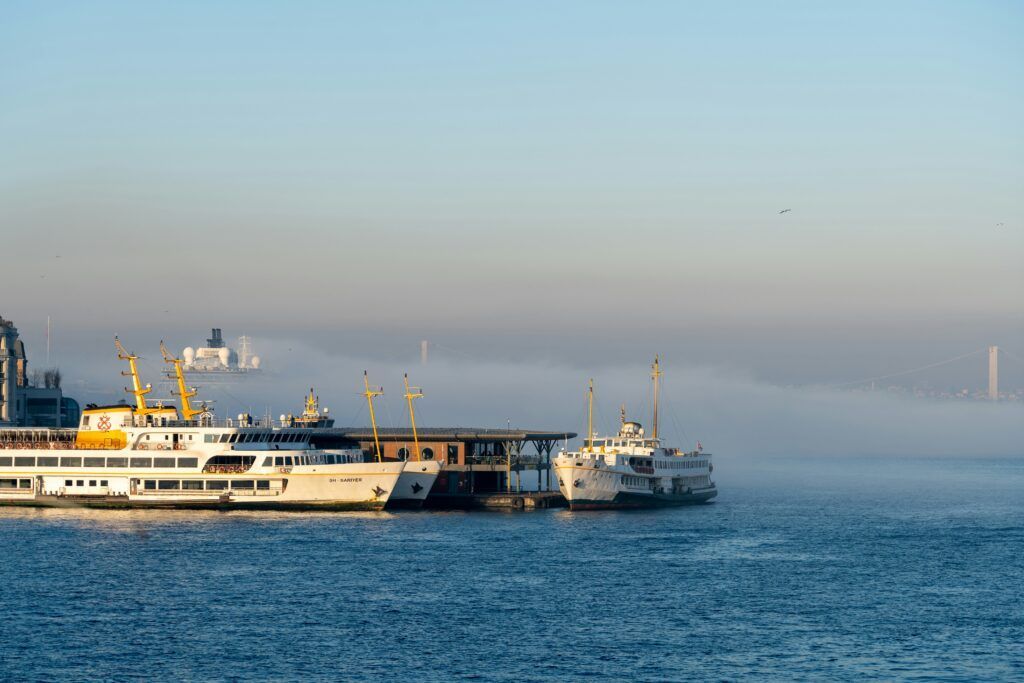
When visibility drops, safety risks rise. Inland waterway operators know that fog, mist, and low-light conditions can turn routine navigation into a high-stakes challenge. Whether you’re pushing barges on the Mississippi or maneuvering through lock systems at dawn, reliable lighting is your first line of defense. At Archway Marine Lighting, we’ve spent over 30 years […]
The post Navigating Fog and Low Visibility: Lighting Strategies for Inland Vessels appeared first on Archway Marine.
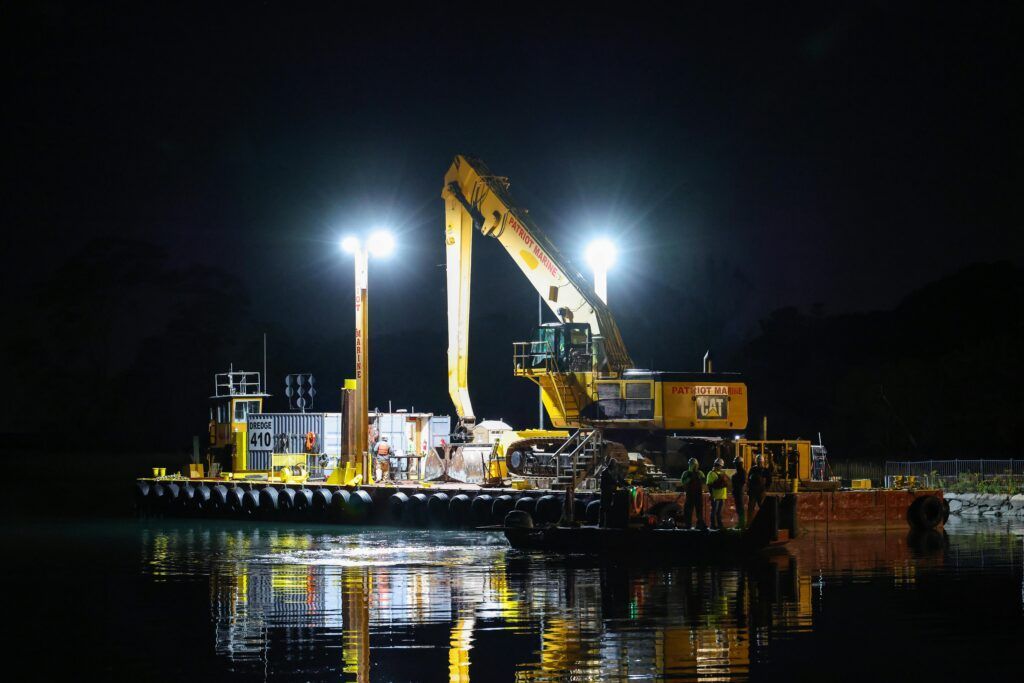
Reliable marine lighting isn’t just a convenience; it’s a safety necessity. Functioning lights are critical when navigating dark waters, loading cargo at night, or ensuring your vessel meets U.S. Coast Guard regulations. Yet the marine environment is notoriously harsh on lighting systems. Saltwater, humidity, vibration, and extreme temperatures all take a toll, shortening the lifespan […]
The post How to Extend the Life of Your Marine Lighting appeared first on Archway Marine.
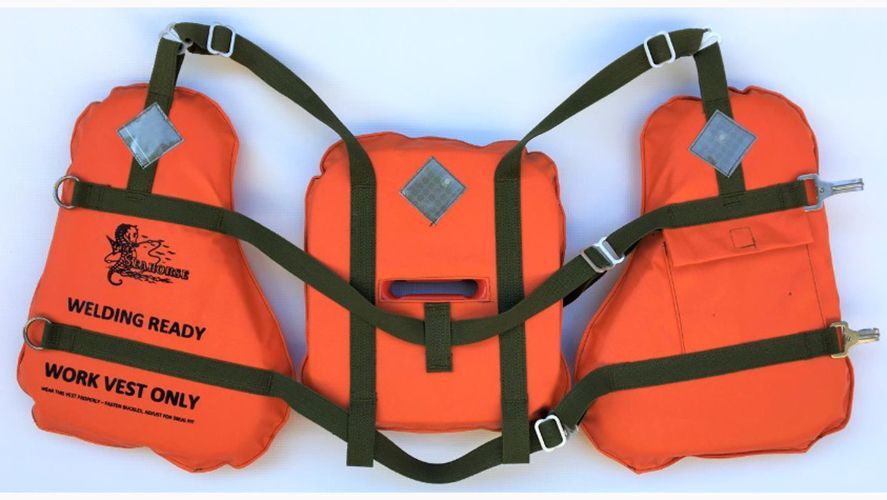
Operating on inland waterways comes with its own unique set of challenges. Unlike open-sea vessels, inland marine teams often work in tight quarters, near industrial sites, and in conditions where visibility and maneuverability can change quickly. From unpredictable currents to fast-changing weather, the risks are real, making personal protective equipment (PPE) an essential part of […]
The post Personal Protective Gear for You and Your Inland Marine Team appeared first on Archway Marine.
When it comes to barges, deck lighting isn’t just a nice-to-have; it’s a must. Sure, you could try navigating your vessel in the dark with a flashlight in one hand and coffee in the other, but let’s be real: that’s a recipe for bruised shins, dropped tools, and a very unhappy crew. Proper deck lighting […]
The post Understanding the Importance of Deck Lighting on Barges appeared first on Archway Marine.
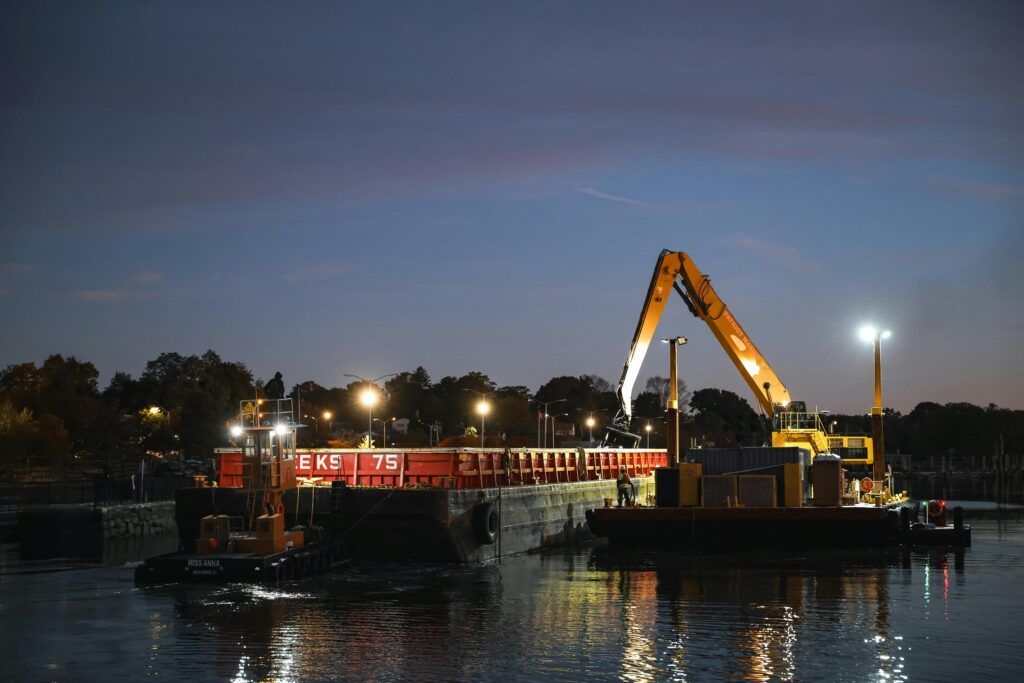
In the world of inland marine operations, time is money, and downtime isn’t an option. Whether you’re running a busy shipyard, overseeing barge loading, or managing container logistics at a port, operations often extend well beyond daylight hours. That’s why adequate lighting for night operations isn’t just a convenience—it’s a critical component of safety, productivity, […]
The post What You Need to Know for Lighting Nighttime Operations appeared first on Archway Marine.
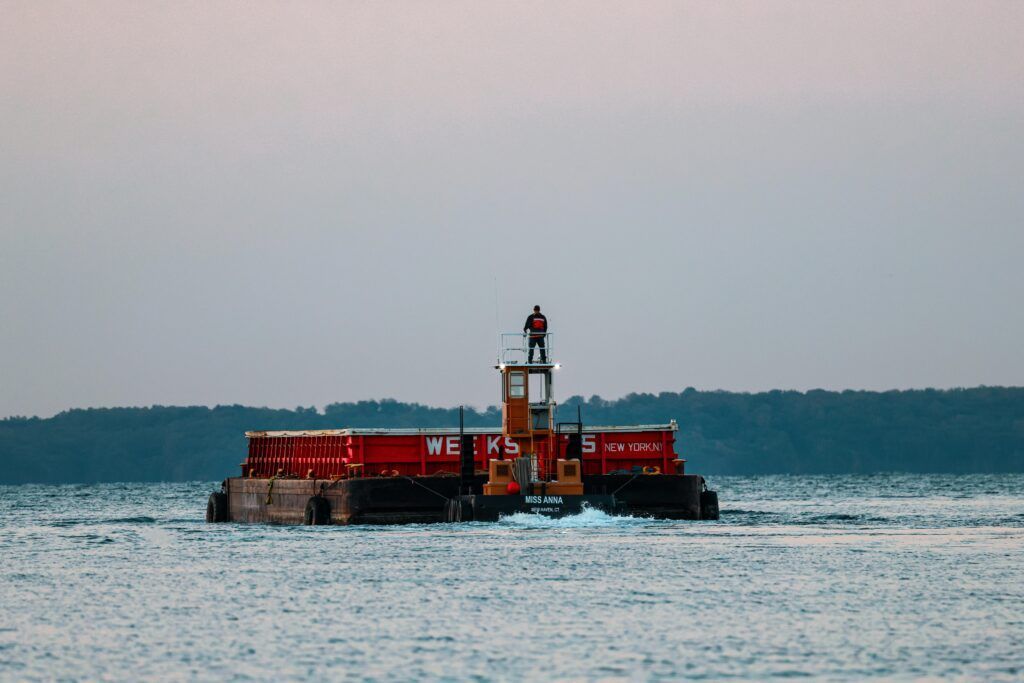
When it comes to commercial vessels navigating America’s inland waterways, lighting isn’t just about visibility—it’s a matter of safety, regulation, and liability. The U.S. Coast Guard (USCG) has strict guidelines to ensure that every tugboat, barge, workboat, and service vessel operating on rivers, lakes, and canals is utilizing the correct lighting. Lighting systems must not […]
The post Understanding U.S. Coast Guard Regulations for Commercial Vessel Lighting appeared first on Archway Marine.
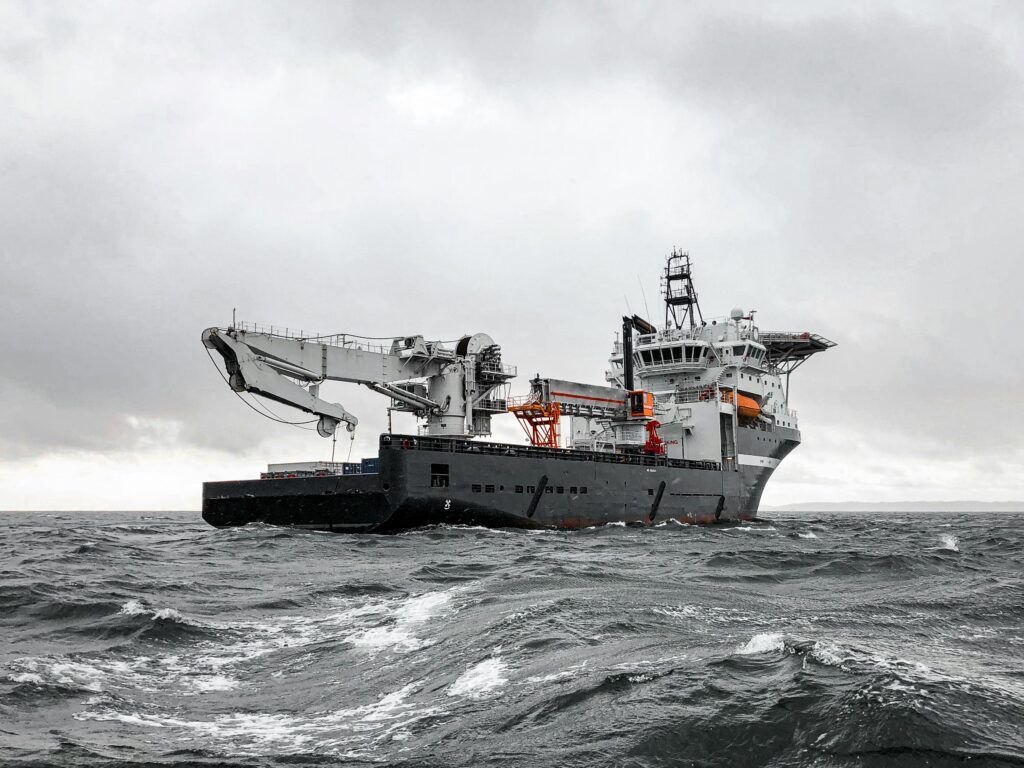
Inland marine environments are among the most challenging operating conditions for any piece of equipment, and lighting is no exception. From the high humidity and exposure to salt spray or river water, to the relentless pounding of engines and hulls on steel decks, marine lighting must perform reliably in situations that would destroy standard fixtures. […]
The post What Features to Look For In Marine Lighting appeared first on Archway Marine.
Marine operations, whether on inland waterways or coastal environments, require reliable lighting solutions to ensure safety, efficiency, and compliance with regulations. However, frequent maintenance and unexpected lighting failures can lead to costly downtime, increased labor expenses, and disruptions in operations. Investing in cost-effective marine lighting solutions can help operators reduce maintenance, extend equipment lifespan, and […]
The post Cost-Effective Marine Lighting Solutions to Reduce Maintenance & Downtime appeared first on Archway Marine.
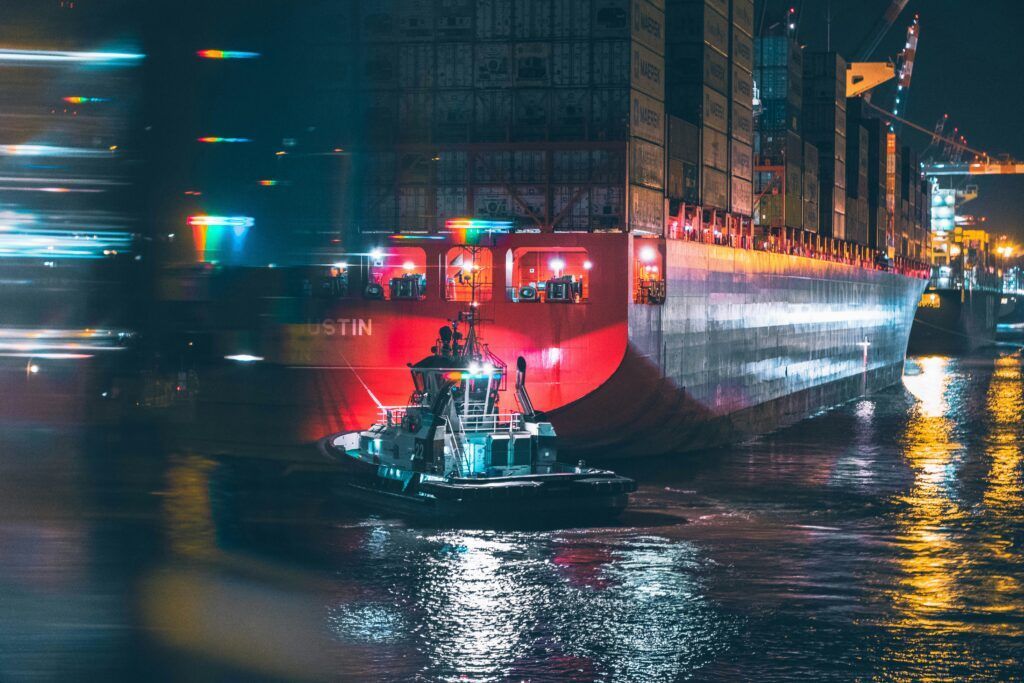
Navigating inland waterways presents unique challenges, including unpredictable weather, narrow channels, and heavy vessel traffic. Proper marine lighting ensures safety and efficiency, but what happens when primary lighting systems fail? In this potential situation, backup lighting systems become essential. A reliable secondary lighting system can prevent accidents, enhance visibility, and ensure compliance with maritime safety […]
The post The Importance of Backup Lighting Systems appeared first on Archway Marine.
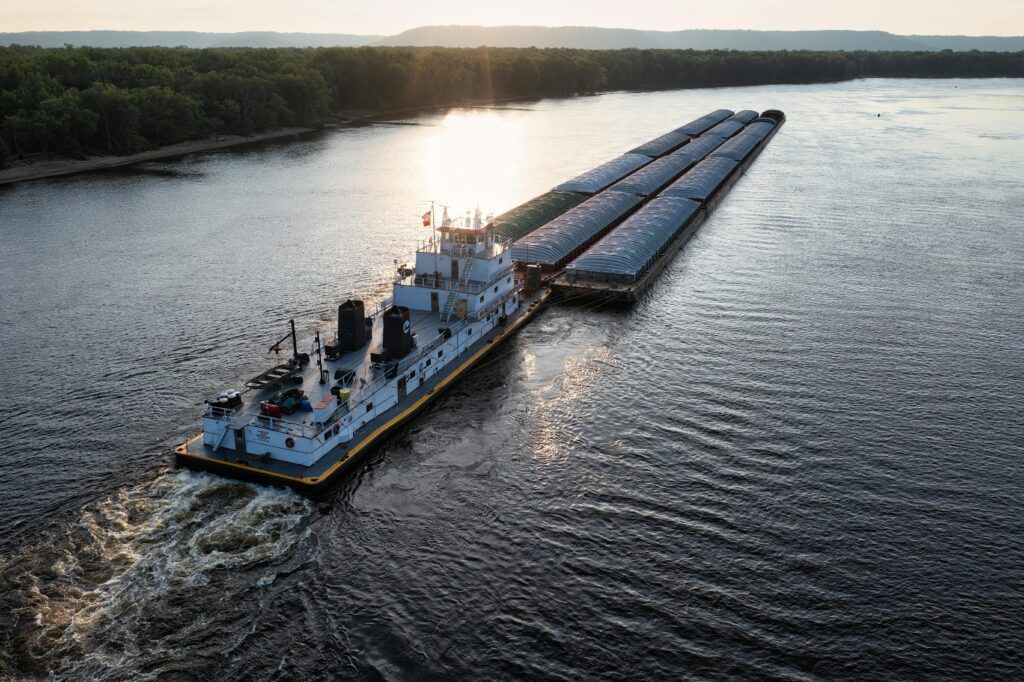
Choosing the proper marine lighting is critical in ensuring safety, efficiency, and visibility in various maritime environments. Whether your operations occur in icy northern waters or humid inland waterways, choosing the right lighting system is crucial for long-term performance and durability. Extreme temperatures, moisture, and environmental factors can significantly impact the lifespan and effectiveness of […]
The post Choosing the Right Marine Lighting For Your Climate appeared first on Archway Marine.