What Features to Look For In Marine Lighting
Inland marine environments are among the most challenging operating conditions for any piece of equipment, and lighting is no exception.
From the high humidity and exposure to salt spray or river water, to the relentless pounding of engines and hulls on steel decks, marine lighting must perform reliably in situations that would destroy standard fixtures.
Whether you’re equipping a towboat, barge, dredge, or terminal dock, it’s critical to understand what truly sets high-quality marine lighting apart.
In this article, we break down the three core traits—waterproofing, vibration resistance, and durability—and how to evaluate lighting products before making a purchase decision.
Waterproofing: Beyond “Weatherproof”
The word “waterproof” is often used in marketing surrounding any aqua-based product, but not all claims are created equal. In a marine environment, lighting is constantly exposed to harsh elements.
- Splashing from waves or prop wash
- Rain and humidity
- Occasional submersion (particularly in deck-level fixtures)
To ensure that you’re lighting is truly waterproof, look at IP Ratings (Ingress Protection Rating).
This international standard tells you how well the enclosure resists intrusion from solids and liquids, and is the most reliable way to assess a fixture’s waterproofing.
A rating like IP66, IP67, or higher is typically ideal for inland marine use.
Ratings To Look For
- IP65 – Water jets; good for high-spray areas
- IP66 – Powerful water jets; ideal for deck and exterior lights
- IP67 – Temporary submersion; ideal for extreme splash zones
Why It Matters
Improperly sealed lights may corrode internally or short-circuit, leading to costly repairs or dangerous blackouts in critical zones.
Vibration Resistance: Built for the Barge Life
Anyone who has worked on or near inland vessels knows that vibration is a constant theme. Engines rumble, hulls flex, and metal-on-metal impacts occur daily. Ordinary lighting systems often fail because they aren’t built for this kind of mechanical stress.
Features to Look For
- Shock-absorbing mounts or internal dampening systems
- Reinforced lens covers (polycarbonate or marine-grade tempered glass)
- Solid-state LEDs (no filaments to break)
- Secure wiring connections that won’t loosen under vibration
Why It Matters
A fixture that works great in a warehouse might last a month in a marine setting if not designed for shock loads. Broken lights not only require replacement, but they can also compromise worker safety or shut down nighttime operations entirely.
Durability: Built to Last in Harsh Conditions
Durability in marine lighting goes beyond surviving splashes and vibrations. Inland marine environments expose lights to diesel soot, salt corrosion (in brackish areas), intense sun, freezing temperatures, and even chemical exposure at industrial terminals.
Features to Look For
- Marine-grade aluminum or stainless steel housings to resist corrosion
- UV-resistant powder coatings to prevent cracking and fading
- Gasketed seals to keep dust and debris out
- Long lifespan LEDs (50,000+ hours preferred) to reduce maintenance cycles
Some high-end models are even certified for use in hazardous locations (Class I, Division 2), making them suitable for oil barges, chemical transport, and fuel docks.
Why It Matters
When a light goes out in a marine setting, replacement isn’t always simple. Crews may have to wait for dock time, climb to hard-to-reach spots, or deal with outages during high-traffic hours. Durable lighting keeps operations running smoothly.
What About LED Lighting?
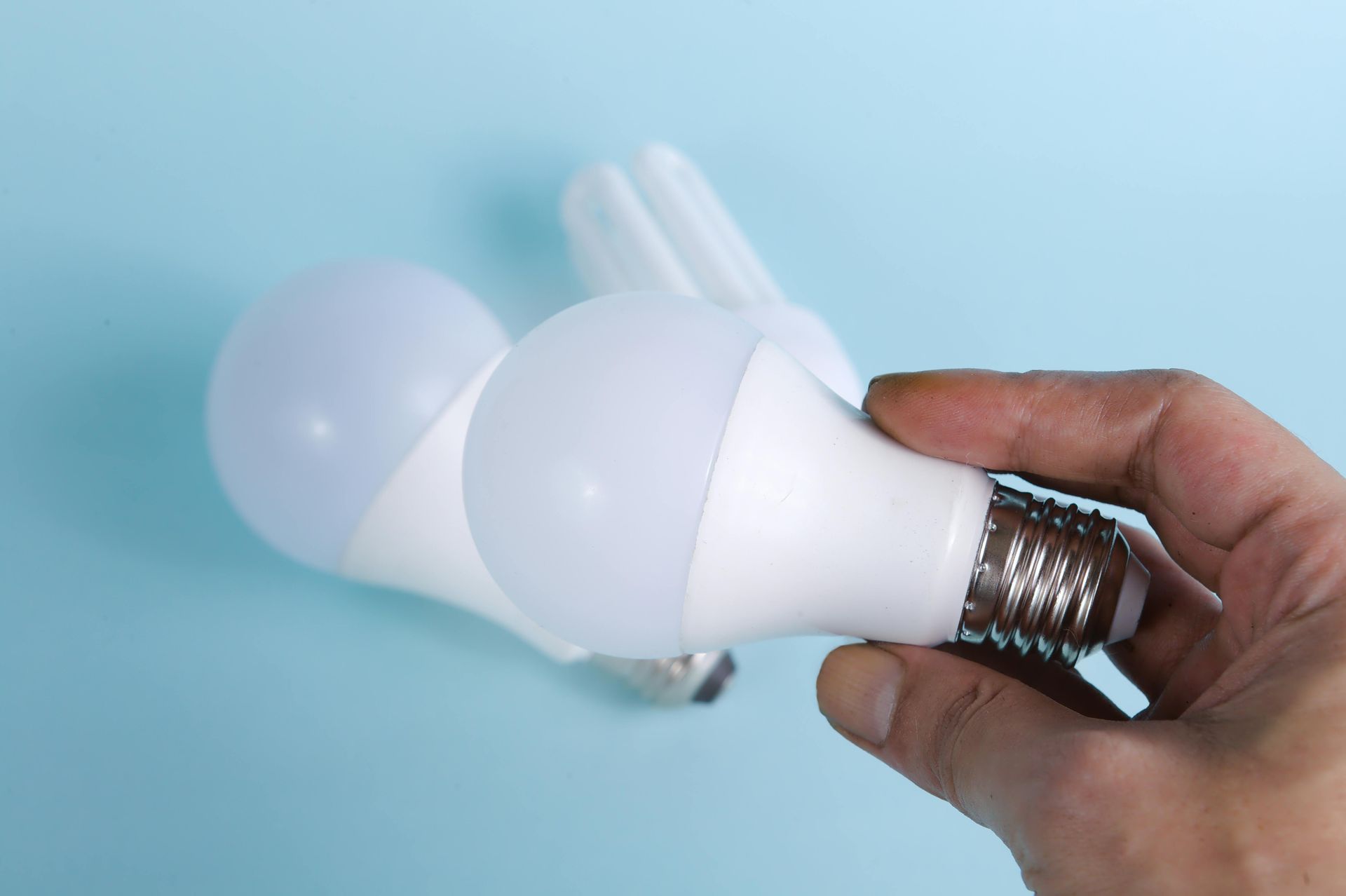
Nearly all modern marine lights are now LED-based, and for good reason.
- They’re more energy-efficient
- Produce less heat
- Offer longer lifespans
- They are more resistant to shock and vibration due to their solid-state design
However, not all LED fixtures are created equal. Stick with commercial-grade units designed specifically for marine use, and avoid cutting corners with consumer-grade “outdoor” lighting.
Buy for the Long Haul at Archway Marine Lighting
At Archway Marine Lighting, we specialize in rugged, marine-grade lighting explicitly designed for inland waterway environments.
From deck lights to floodlights, engine room fixtures to perimeter lighting, our products are built to meet the real-world demands of marine professionals.
Contact us today to learn more about how our lighting solutions can improve safety, visibility, and efficiency across your operations.
The post What Features to Look For In Marine Lighting appeared first on Archway Marine.