Why Cheap Marine Lighting Is One of the Most Expensive Mistakes
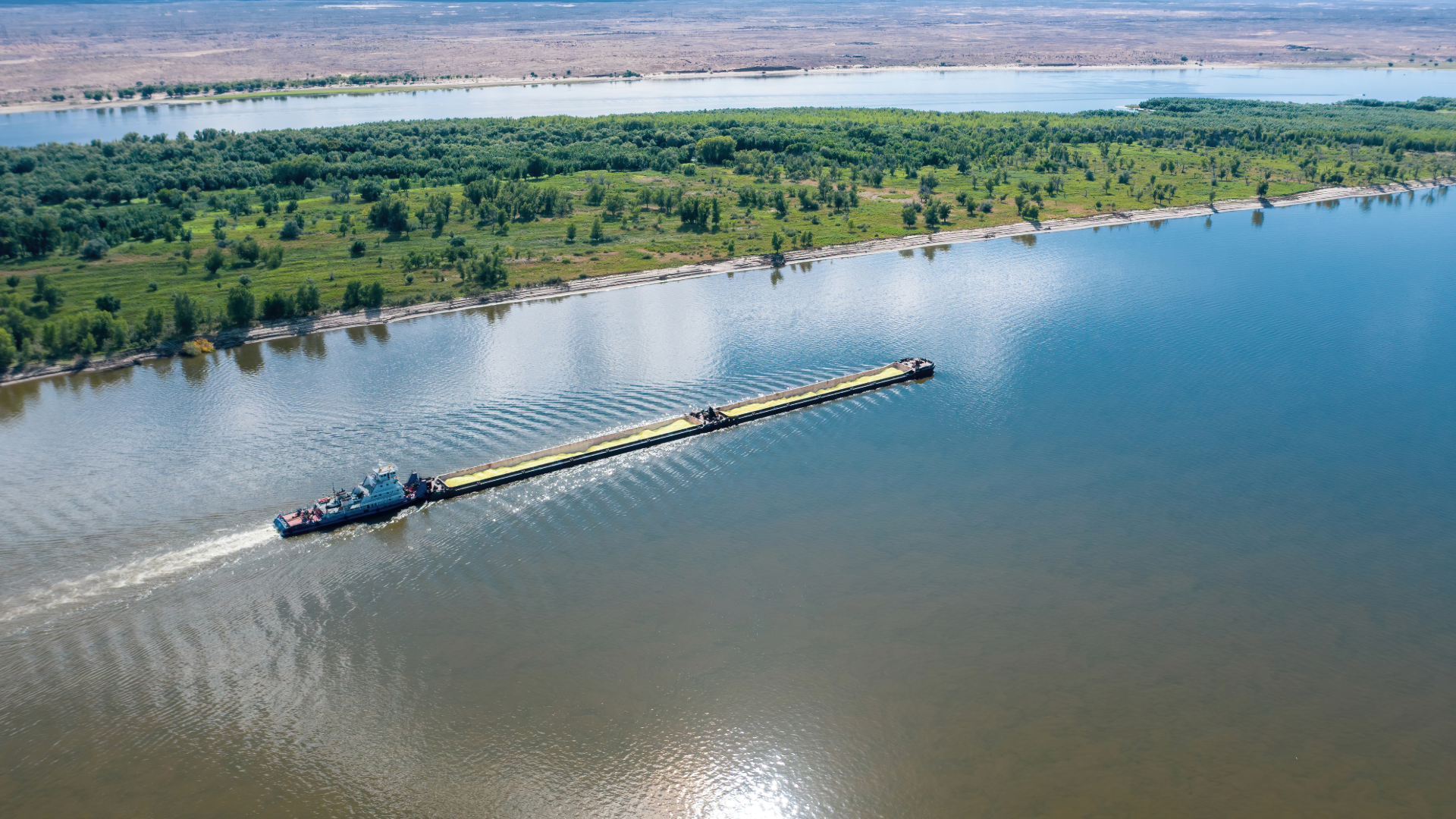
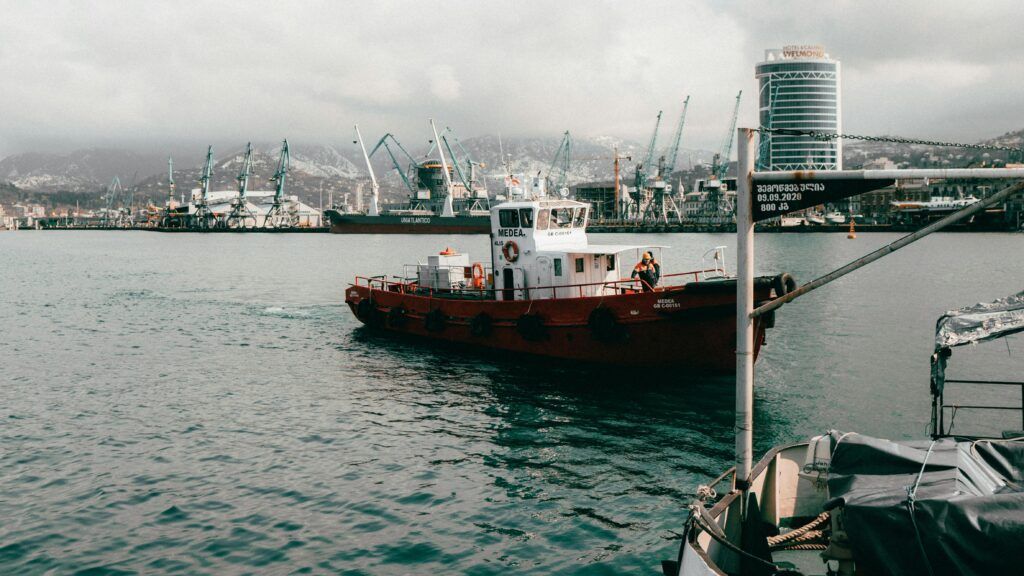
Inland marine operations run around the clock. Vessels move cargo through tight waterways, crews work long shifts, and equipment is exposed to constant vibration, moisture, and changing weather.
In this environment, lighting is not just a utility. It is a critical system that supports safety, efficiency, and compliance.
Yet lighting decisions are often made solely on upfront cost.
Cheaper fixtures may look similar on paper, but over time, they quietly drive higher costs through failures, downtime, and repeated replacements.
Understanding the true cost of marine lighting requires looking beyond the purchase price.
Upfront Cost Does Not Equal Long-Term Value
When operators compare lighting options, it is easy to focus on the initial price tag. A lower-cost fixture may seem like a smart budget decision, especially when multiple lights need to be replaced at once.
The problem is that the upfront cost only represents a small portion of the total expense. Fixtures that are not designed for inland marine conditions tend to fail sooner, require more maintenance, and need to be replaced more frequently.
Over the life of a vessel, those repeat costs add up quickly.
Long term value comes from durability, reliability, and performance in real operating conditions, not from the lowest price on day one.
The Hidden Costs of Low Quality Marine Lighting
Cheap lighting often incurs costs that do not appear on an invoice. These hidden expenses impact both operations and crew safety.
Common hidden costs include:
- Emergency replacements during night operations
- Crew labor spent troubleshooting or swapping failed fixtures
- Downtime caused by reduced visibility or safety concerns
- Increased inventory of spare bulbs and fixtures
- Disruptions to schedules when lighting fails at critical moments
Lighting rarely fails when it is convenient. Failures tend to happen during low visibility, heavy work periods, or extended shifts, when the consequences are greatest.

Frequent Failures Increase Operational Risk
Reliable lighting plays a direct role in preventing incidents. Poor visibility on decks, walkways, and work areas increases the risk of slips, trips, collisions, and mistakes.
When fixtures fail frequently, crews may be forced to work around dark areas or rely on temporary lighting solutions. These workarounds introduce risk and can lead to injuries, damaged equipment, or near misses that disrupt operations.
Consistent, dependable lighting reduces uncertainty and helps crews perform tasks safely and efficiently, even during long or challenging shifts.
Energy and Electrical Strain Add Up Over Time
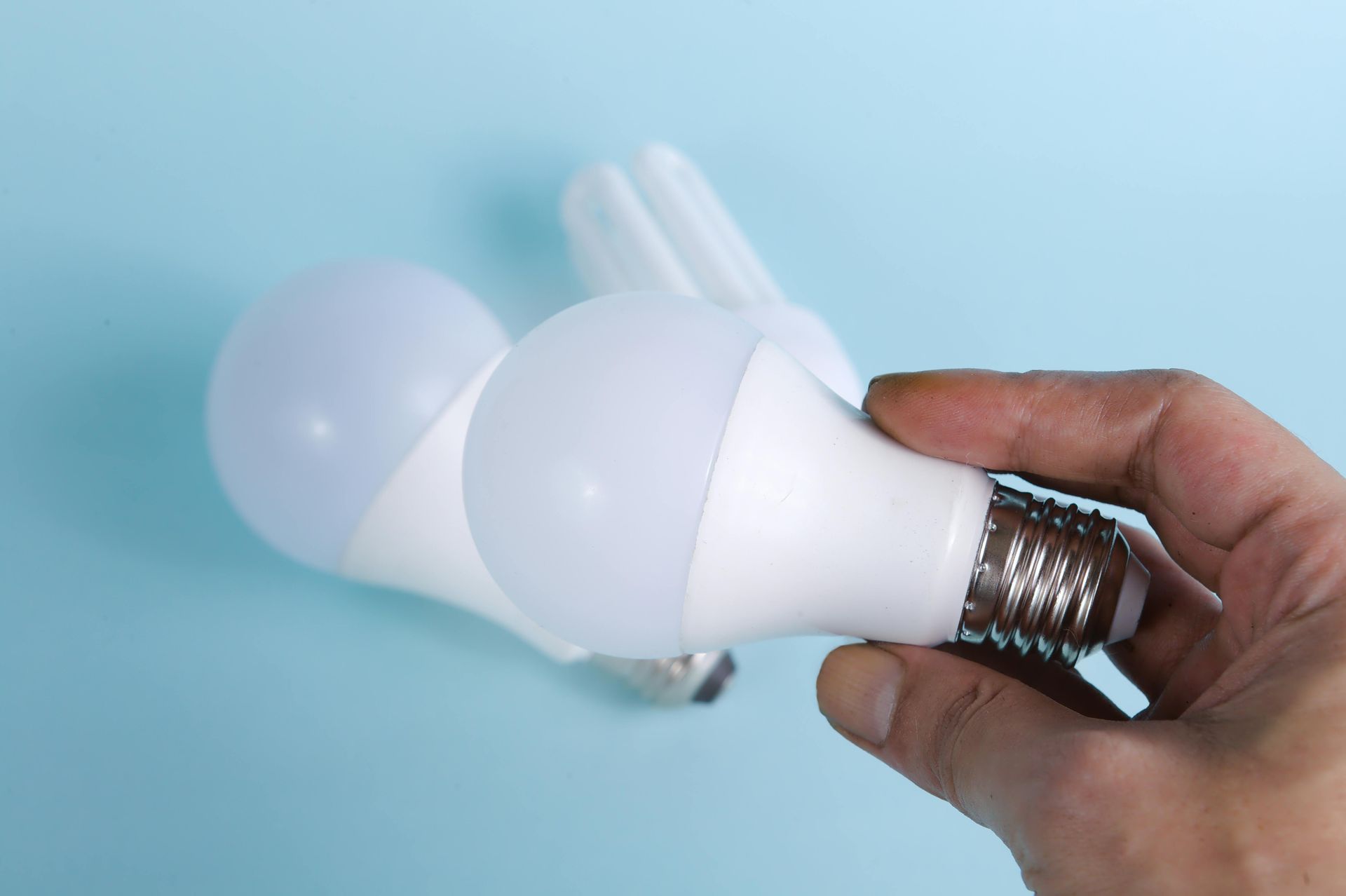
Low-quality lighting can also place unnecessary strain on a vessel's electrical system. Inefficient fixtures draw more power, generate excess heat, and may contribute to voltage fluctuations that affect other equipment.
Over time, this strain can lead to additional electrical maintenance and increase the likelihood of system issues.
Well-designed marine lighting is engineered to operate efficiently within the vessel's electrical environment, reducing stress on power systems and supporting long-term reliability.
Compliance and Safety Are Always at Stake
Marine lighting is closely tied to safety and regulatory expectations. Navigation lights, deck lighting, and work area illumination all play a role in maintaining compliance and protecting crews.
Repeated lighting failures can expose operators to compliance risks and increase scrutiny during inspections.
More importantly, they can compromise situational awareness and visibility, putting both crew members and vessels at risk.
Investing in lighting designed for inland marine use helps ensure systems perform as expected when they matter most.
Choosing Lighting With Total Cost in Mind
The true cost of marine lighting is measured over years, not months. When evaluating fixtures, operators should consider factors beyond price, including durability, resistance to vibration and moisture, and expected service life.
Reliable lighting reduces maintenance demands, minimizes downtime, and supports safer, more efficient operations.
In the long run, investing in quality fixtures often costs less than repeatedly replacing cheaper alternatives.
Building Smarter, More Resilient Operations
Inland marine operations depend on systems that work consistently under pressure. Lighting is one of those systems.
By focusing on long-term value instead of short-term savings, operators can reduce unexpected failures, protect their crews, and keep vessels moving without unnecessary disruptions.
The right lighting investment supports not just visibility, but overall efficiency and resilience of the operation.
Connect With Archway Marine Lighting
As this article shows, the real cost of marine lighting becomes apparent over time through reliability, maintenance requirements, and operational impacts.
Choosing fixtures built for inland marine conditions helps reduce failures, downtime, and long‑term expenses.
Archway Marine Lighting designs solutions focused on durability and long‑term performance.
Explore our products or
connect with our
team to find lighting that supports safer, more efficient operations on the water.