Lighting Innovations Transforming the Inland Marine Industry in 2026
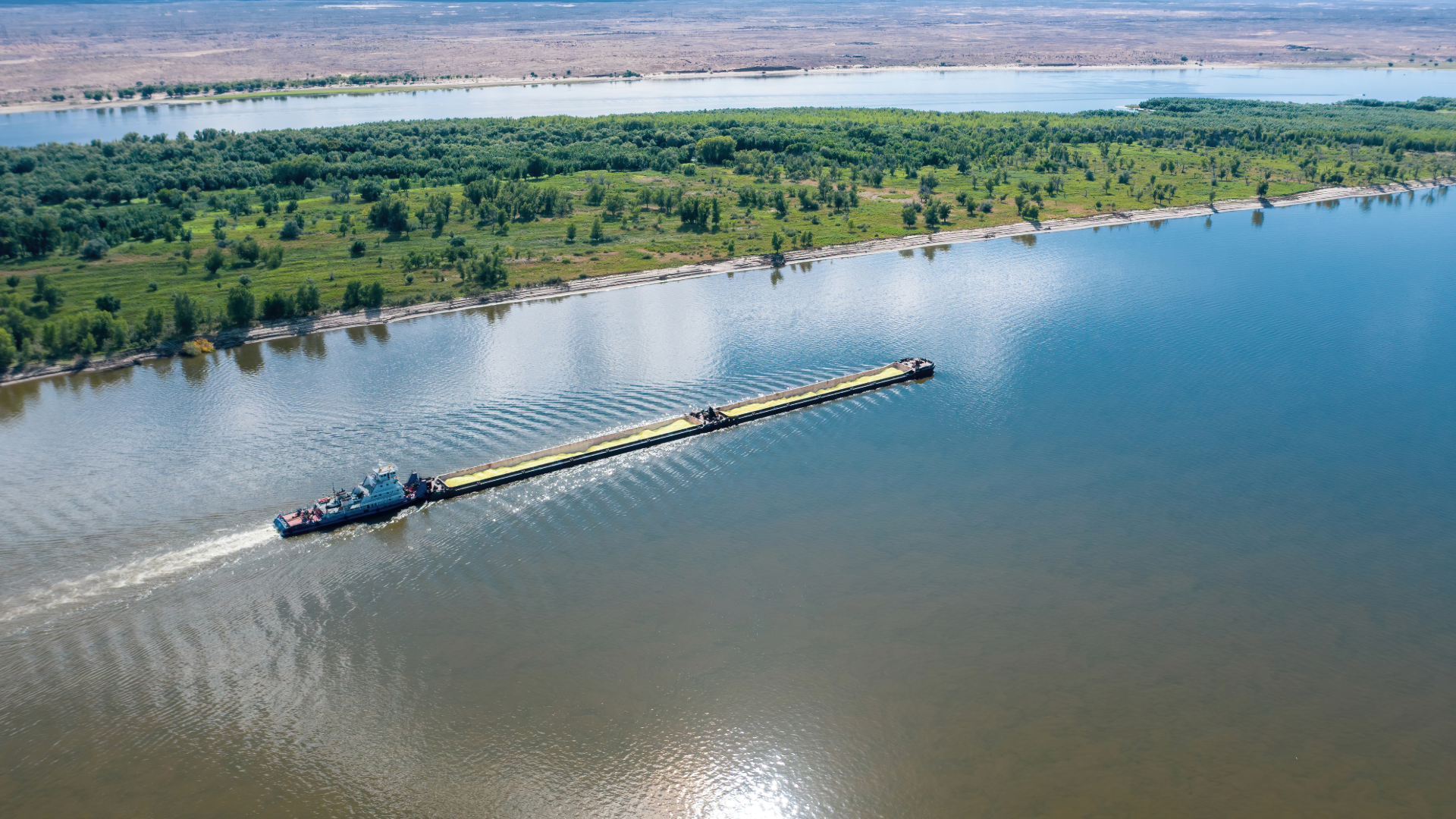
The inland marine industry is changing faster than many operators expected. As fleets age, regulations evolve, and expectations for safety and efficiency rise, marine lighting has quietly become one of the most critical areas of innovation. What used to be simple hardware has transformed into a suite of advanced, high‑performance systems designed to withstand the harshest inland environments while boosting safety and operational uptime.
In 2026, lighting isn’t just about visibility anymore. It’s about resilience, energy savings, regulatory compliance, and giving crews the tools they need to operate smarter and safer.
Here’s a look at the lighting innovations reshaping the industry this year, and what inland marine operators should know as they evaluate upgrades for their fleets and facilities.
High‑Output LEDs Built for Inland Conditions
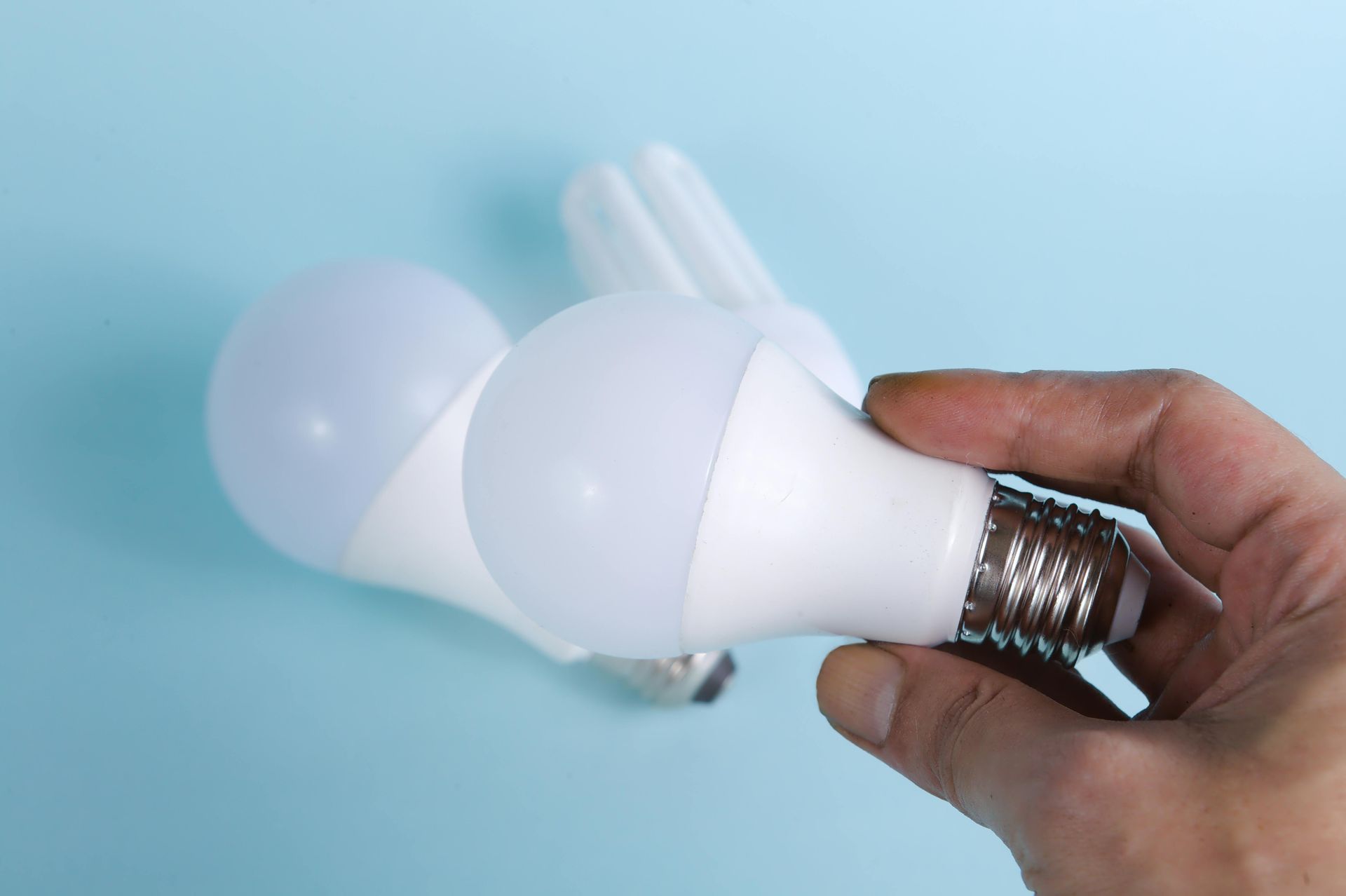
LEDs aren’t new, but the latest generation is redefining performance in commercial marine environments. Today’s fixtures offer dramatically improved brightness, wider beam spread, and optimized color temperatures that enhance visibility in fog, rain, and night operations.
Operators are seeing the benefits through improved performance and longevity.
- Longer lifespan , reducing downtime and maintenance
- Lower power draw , easing strain on electrical systems
- Greater vibration resistance , ideal for towboats and barges
- Improved clarity on decks, walkways, engine rooms, and cargo areas
These aren’t consumer‑grade LEDs: they’re engineered specifically for marine hazards like moisture, corrosion, and constant motion.
Adaptive Lighting Systems That Adjust in Real Time
One of the most significant shifts happening across the inland sector is the move toward adaptive lighting controls . These are systems that automatically adjust intensity and beam output in response to environmental conditions.
Picture this: fog rolls in at dawn, visibility drops, and your lighting system responds instantly, increasing brightness and adjusting the beam spread to improve clarity without causing glare.
Later, when a crew member steps onto a walkway, motion‑activated deck lights illuminate automatically.
Adaptive systems offer significant benefits to your crew’s performance and safety.
- Reduced energy consumption by lighting only what’s necessary
- Enhanced safety for crews navigating tight spaces
- Improved visibility in changing weather
- Automated compliance support , ensuring required lights are always active
For vessels running long shifts or night operations, adaptive lighting can meaningfully reduce fatigue and operational risk.
Smart Diagnostics for Predictive Maintenance
Gone are the days of discovering a lighting failure only when a fixture flickers out at the worst possible time. Modern lighting systems now integrate smart diagnostics , giving operators a window into fixture health long before issues occur.
These systems handle all monitoring for you, so you only have to intervene when the fixture itself alerts you.
- Monitors voltage fluctuations
- Detects early corrosion
- Tracks heat buildup or moisture intrusion
- Alerts crews when a fixture is nearing end‑of‑life
Instead of reactive repairs, operators can plan maintenance during downtime, preventing outages, avoiding last‑minute scramble repairs, and extending the life of their lighting systems.
Ruggedized Housings and Corrosion‑Resistant Materials
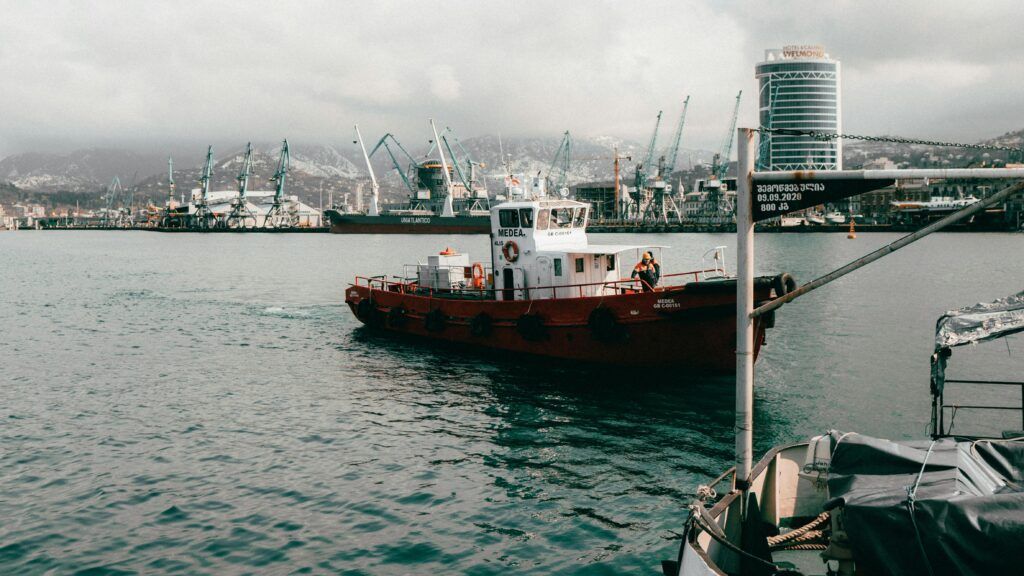
Inland waterways are notoriously rough on equipment. Whether you’re dealing with industrial pollution, heavy moisture, or temperature extremes, lighting fixtures face constant punishment.
2026 lighting innovations aren’t just about smarter technologies; they also focus on strength and durability.
- Marine‑grade aluminum and stainless steel housings
- Thicker lens coatings that resist impact and abrasion
- Improved gasket designs that keep water out
- Salt‑mist‑tested materials , ideal for mixed‑water environments
These enhancements drastically reduce premature failures and help lighting withstand the unforgiving conditions around barges, towboats, and dockside operations.
Enhanced Emergency and Backup Lighting Systems
Lighting failures in low‑visibility or high‑traffic environments can be catastrophic. That’s why backup lighting has become a significant priority across inland fleets.
Today’s systems offer better reliability, faster activation, and more intuitive placement.
- Instant‑on backup LEDs activated during a power drop
- Independent battery packs are protected against vibration and moisture
- Color‑coded emergency indicators to help crews identify escape routes or hazards
- Longer battery life , keeping vessels visible even during extended outages
These upgrades mean vessels stay operational and safe, even when primary lighting takes a hit.
Energy‑Efficient Lighting for Greener Operations
Environmental expectations are rising, and lighting is one of the easiest ways for fleets to cut emissions without sacrificing performance.
- Low‑draw LED floodlights that reduce generator load
- Solar‑assisted deck lighting for non‑critical areas
- Hybrid power systems that keep emergency lights charging independently
Not only do these reduce fuel consumption, but they also extend the life of onboard power systems and lower long‑term operating costs.
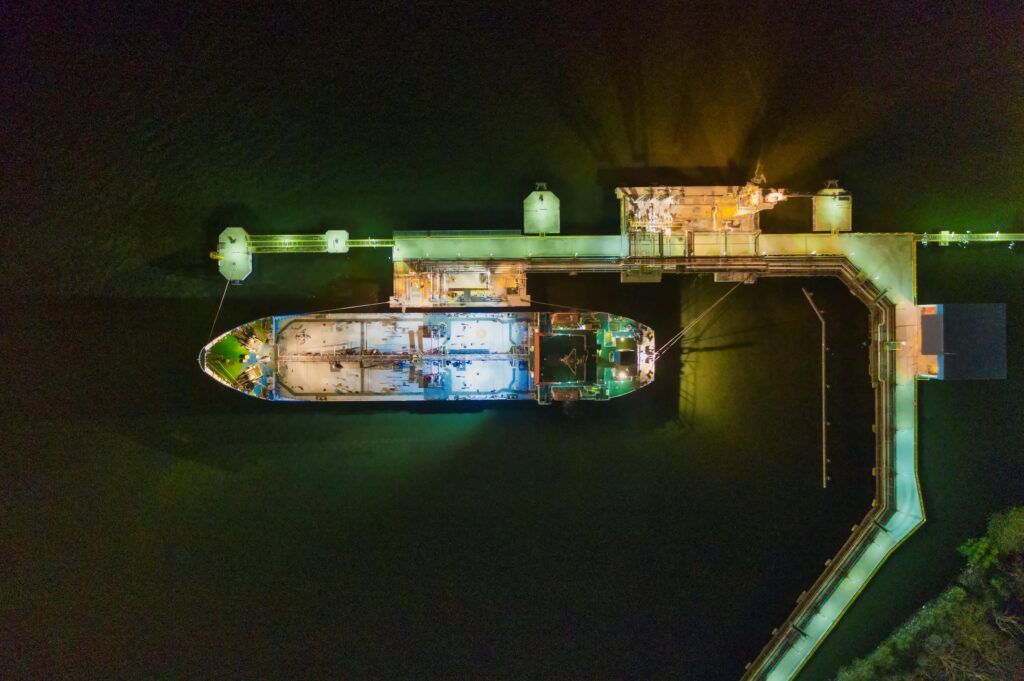
Optimized Lighting for Camera and Sensor Integration
More operators are outfitting their vessels with cameras, radar enhancements, and sensor‑based monitoring. But poor lighting can render camera feeds useless.
The latest marine lighting now includes features to enhance the output of your other equipment.
- Flicker‑free LEDs are ideal for camera visibility
- Improved color temperature for night‑vision compatibility
- Directional lighting is designed to minimize glare on lens surfaces
As situational awareness technology grows, lighting will play an even bigger role in ensuring accurate, reliable imaging.
Work With Archway Marine Lighting
As 2026 continues to bring new challenges and opportunities, upgrading lighting systems with innovations is one of the most impactful ways operators can invest in reliability, efficiency, and long‑term performance.
With 30 years of experience in the inland and offshore marine industries, we provide guidance on selecting the right lights, implementing maintenance routines, and protecting fixtures from corrosion, saltwater, and extreme temperatures.
Our team is dedicated to helping you reduce costly replacements and keep your vessels ready for every journey.
Contact us today , and see how we can help light your way!
The post Lighting Innovations Transforming the Inland Marine Industry in 2026 appeared first on Archway Marine.