Preparing Your Vessel’s Lighting for Winter Operations
As temperatures drop and daylight hours shorten, winter brings a unique set of challenges to marine operations.
For vessels working on inland waterways, reliable lighting is one of the most essential components of safe navigation and efficient crew performance. Cold weather, moisture, and rougher winter conditions can take a toll on lighting systems, making proactive maintenance critical before the season fully sets in.
Preparing your vessel’s lighting for winter operations isn’t just about avoiding equipment failures: it’s about ensuring your crew can operate safely under demanding conditions.
Below are key steps every vessel operator should take to protect lighting performance throughout the winter months.
Why Winter Conditions Impact Marine Lighting
Winter weather introduces elements that stress lighting systems in ways other seasons don’t. Cold temperatures can cause seals to shrink or crack, allowing moisture to enter housings.
Freeze–thaw cycles create condensation inside fixtures. Ice buildup and snow reduce visibility, while heavy vibration from turbulent water can loosen mounts and connectors.
LEDs are more resilient than traditional lighting, but even marine-grade fixtures need attention before winter. A thorough seasonal check helps reduce failures, dimming, and corrosion, issues that can compromise visibility at the worst possible time.
Inspect All Fixtures for Wear, Damage, or Corrosion
Start with a complete visual inspection of every navigation light, floodlight, deck light, and work light on board. Look closely for signs of failure:
- Corrosion on housings or brackets
- Cracking in lenses or seals
- Rusted or missing screws
- Evidence of water intrusion
Any signs of damage should be addressed immediately. Even minor corrosion can accelerate rapidly once exposed to winter moisture and freezing temperatures.
Test Brightness and Color Consistency
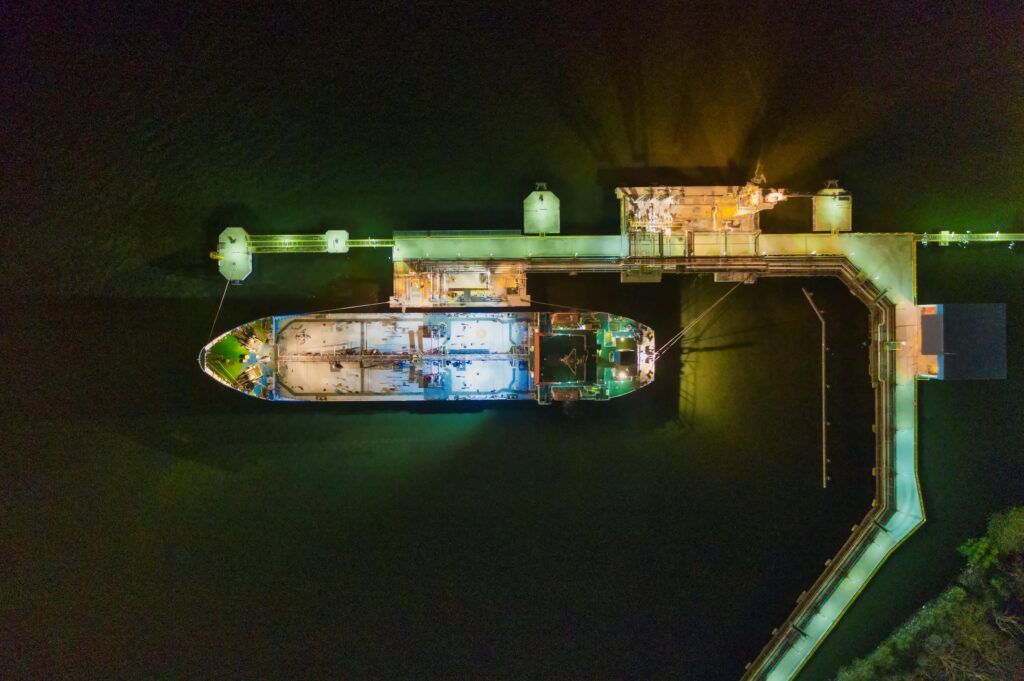
LED lights can appear functional but still produce less illumination than required. Test each fixture at night to confirm its brightness and color output are consistent.
Dimming or flickering often indicates internal damage or exposure to water. Winter’s long nights make proper visibility essential, so this is a good time to replace weak or aging fixtures.
Evaluate Waterproof Seals and Weatherproof Ratings
Weatherproofing is one of the most important defenses against winter elements. As temperatures drop, seals may harden or become brittle, allowing moisture to penetrate.
Check that all gaskets and seals are intact and that fixtures meet appropriate IP (Ingress Protection) ratings for marine environments. If a light shows even minor seal degradation, replace the gasket or the entire fixture before the condition worsens.
Check Wiring, Connectors, and Mounting Hardware
Cold weather exposes weaknesses in wiring and electrical components. Examine all connectors, cables, and junction points for signs of corrosion, fraying, or brittle insulation. Ensure all fixtures are firmly mounted. Loose hardware can lead to vibration-related failures or alignment issues. Strengthening these connections now helps prevent outages during high-stress winter operations.
Clean Lenses and Housings Thoroughly
Salt spray, dirt, and mineral buildup can significantly reduce light output. Clean lenses using non-abrasive methods to avoid scratched surfaces that scatter light. Clear lenses are crucial in winter, when visibility is already limited by fog, snow, or shorter days.
Add Anti-Ice or Protective Measures Where Needed
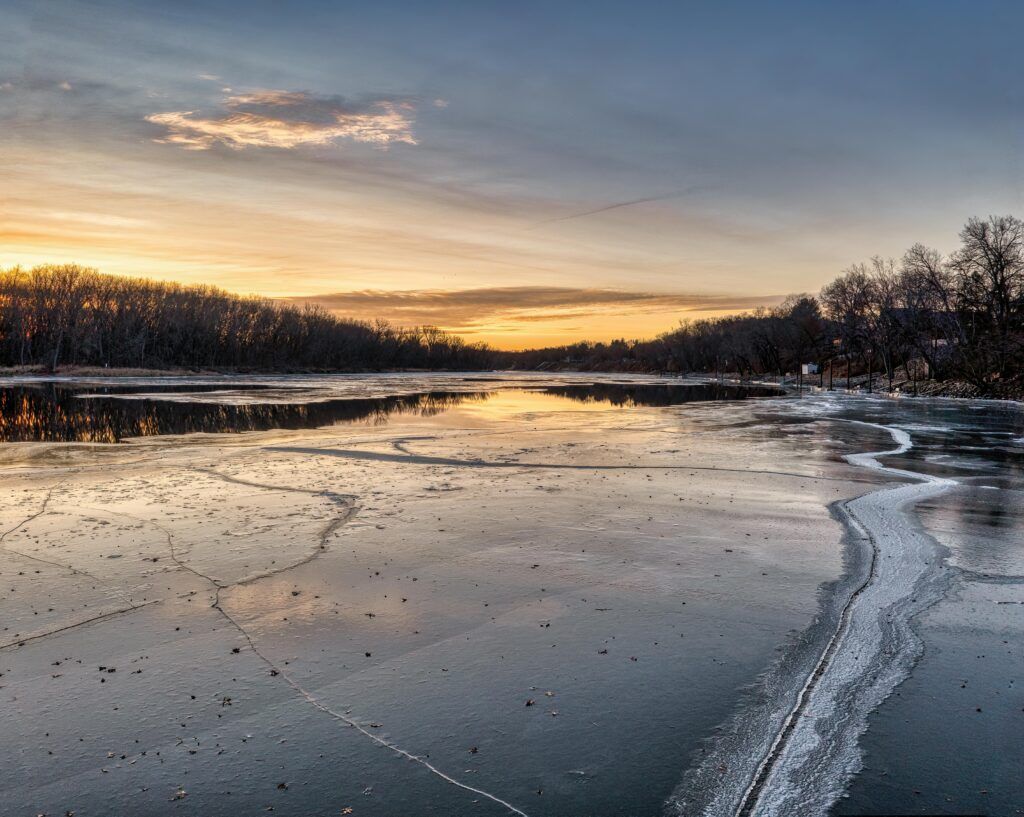
If your vessel regularly operates in freezing conditions, consider adding protective measures to reduce ice accumulation. Options include physical shields, anti-icing sprays, or fixtures with heated housings designed to withstand frigid temperatures. Ice-covered lights provide limited visibility, and regular de-icing is a labor-intensive process. Preventive measures can save time and maintain safety.
Evaluate Power Systems and Backup Lighting
Reliable lighting requires a stable power source. Winter is the ideal time to test backup batteries, generators, and alternate power supplies. Confirm that emergency and portable lighting are fully charged and functional. In winter conditions, redundancy isn’t optional; it’s a necessity.
Consider Upgrading to More Efficient LED Systems
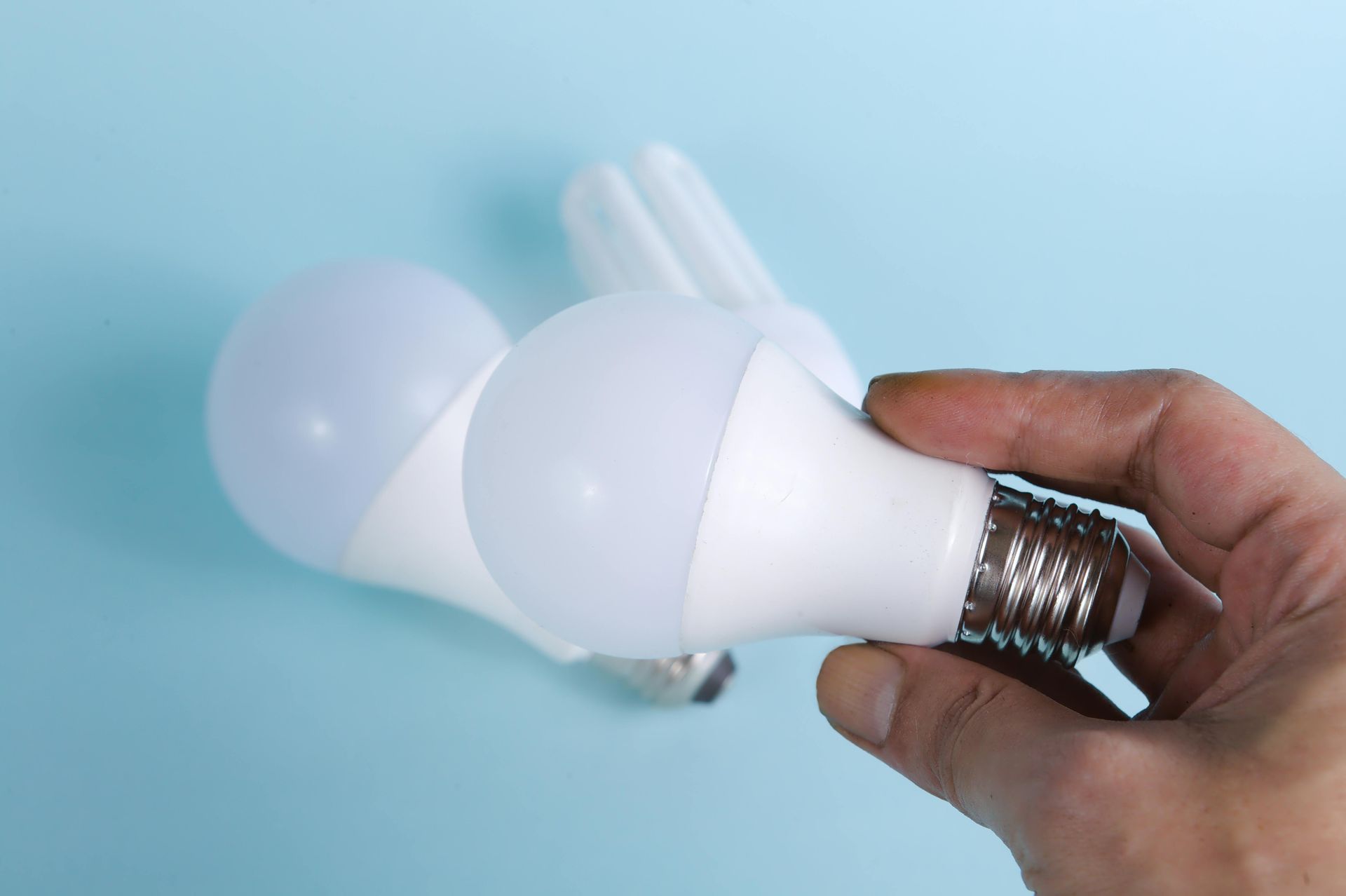
The winter maintenance season is often the ideal time to replace outdated lights with modern, marine-grade LEDs. High-quality LEDs offer consistent output in cold temperatures, use less power, and withstand vibration better than older fixtures.
Investing in durable lighting reduces long-term maintenance costs and improves reliability during the harshest months.
Review Seasonal Regulatory Requirements
Navigation and deck lighting requirements remain unchanged in winter, but compliance becomes even more crucial. Operators should ensure that all required lights are fully functional, properly aligned, and sufficiently bright to be clearly visible in low-visibility conditions, such as fog or freezing rain. A quick review of USCG and inland waterway guidelines helps ensure full compliance throughout the season.
Plan for Ongoing Winter Check-Ups
A single inspection at the start of winter isn’t enough. Conditions change throughout the season, and lighting performance can degrade quickly in harsh weather.
Schedule monthly checks or include lighting evaluations in your standard pre-voyage inspections to ensure optimal lighting conditions. Encourage crew members to report any dimming or malfunctions immediately.

When It’s Time to Replace Instead of Repair
If a fixture shows signs of internal moisture, inconsistent performance, or repeated failures, replacement is often more cost-effective than repair. Marine-grade fixtures, designed for winter conditions, deliver long-term reliability and can significantly reduce maintenance time during the busiest months.
Connect With Archway Marine Lighting
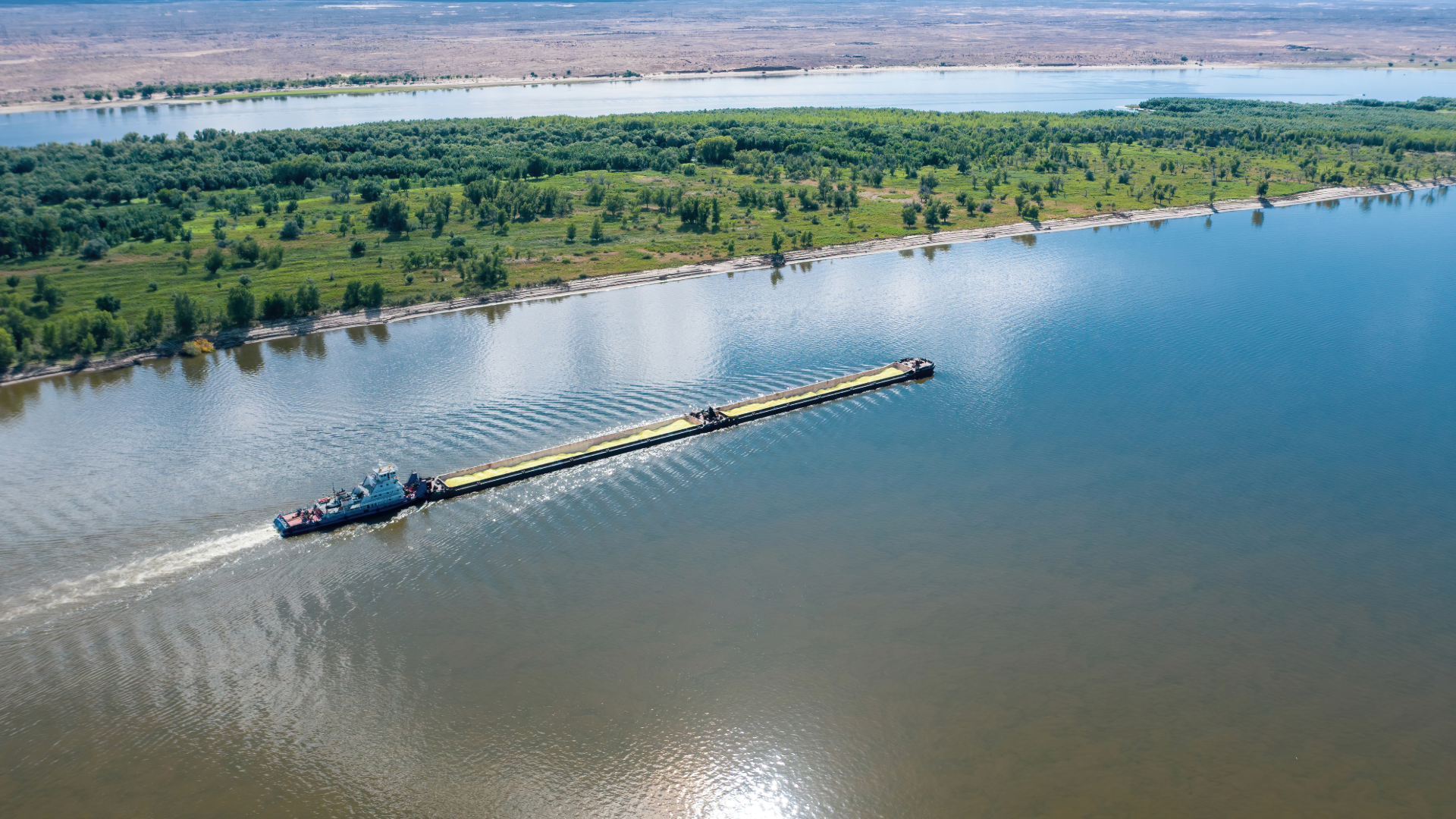
Preparing your vessel’s lighting for winter operations ensures safer navigation, more productive crews, and fewer unexpected repairs. With proactive inspections and high-quality marine lighting, your barge can operate efficiently even in the most demanding conditions.
If your winter checklist reveals damaged or outdated fixtures, Archway Marine Lighting offers durable, marine-grade LED options built to withstand the harshest environments.
We’re here to help you keep your operations running smoothly, regardless of the season.
Contact us today to learn more about our LED lighting solutions, navigation gear, and safety equipment. Let us help you prepare your vessel for smooth sailing ahead!
The post Preparing Your Vessel’s Lighting for Winter Operations appeared first on Archway Marine.