Navigating Fog and Low Visibility: Lighting Strategies for Inland Vessels
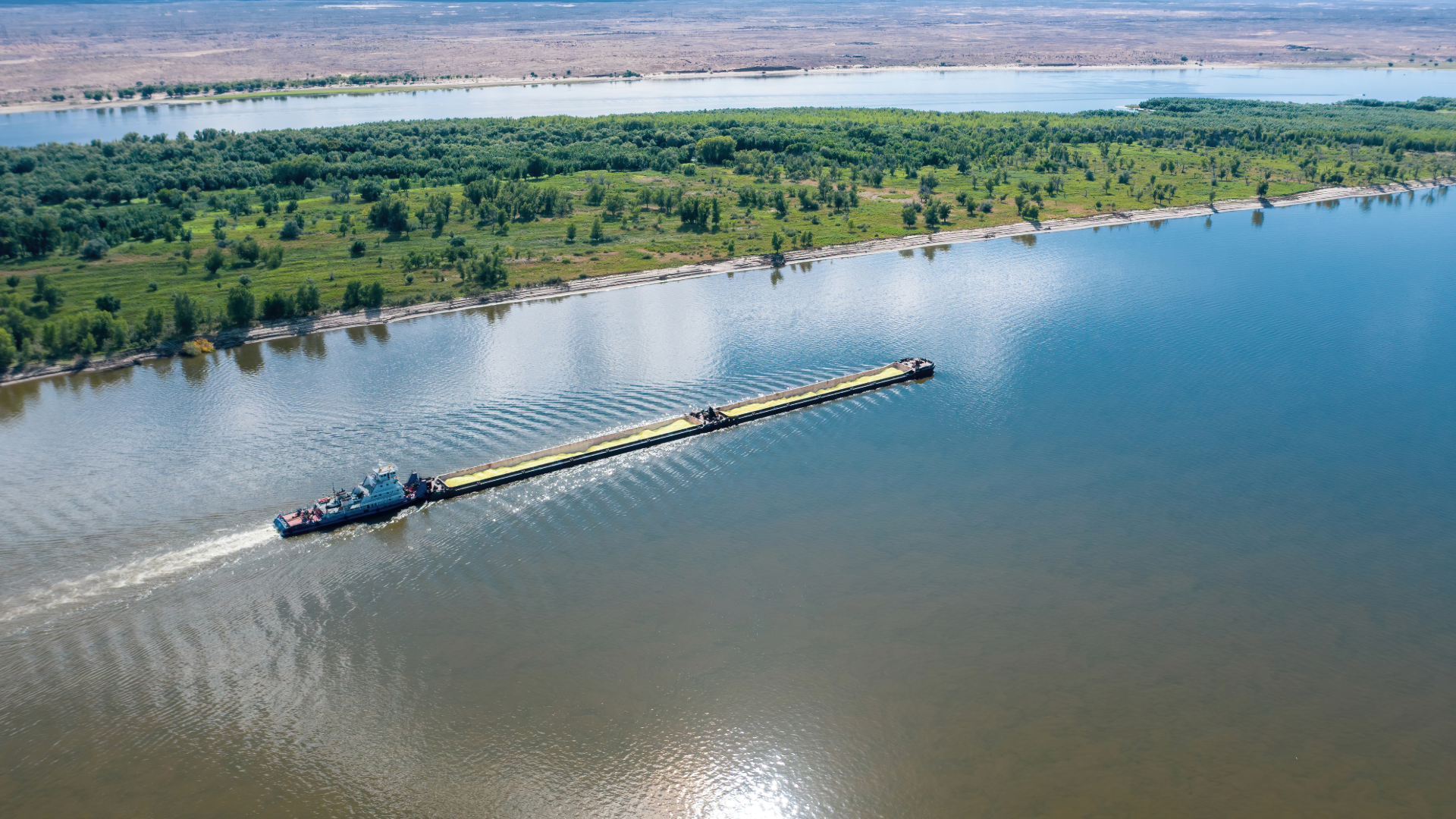
When visibility drops, safety risks rise. Inland waterway operators know that fog, mist, and low-light conditions can turn routine navigation into a high-stakes challenge. Whether you’re pushing barges on the Mississippi or maneuvering through lock systems at dawn, reliable lighting is your first line of defense.
At Archway Marine Lighting, we’ve spent over 30 years helping inland marine professionals stay safe and compliant in all conditions. In this blog, we’ll explore how to optimize your vessel’s lighting systems for fog and low visibility, ensuring your crew, cargo, and operations remain protected.
Why Fog and Low Visibility Demand Specialized Lighting
Fog isn’t just a nuisance; it’s a hazard. Reduced visibility can obscure channel markers, other vessels, and even your own deck layout. Without proper lighting, your boat becomes harder to spot, increasing the risk of collisions and regulatory violations.
Without the proper lighting, it’s not just barges that are obscured; it’s the riverbanks and coastlines as well. With inadequate lighting, you risk running your vessel aground.
Unlike offshore vessels, inland boats often operate in tighter quarters with more frequent stops, turns, and interactions. That means lighting systems must be both powerful and precise.
Key Lighting Strategies for Foggy Conditions
Use High-Intensity LED Navigation Lights
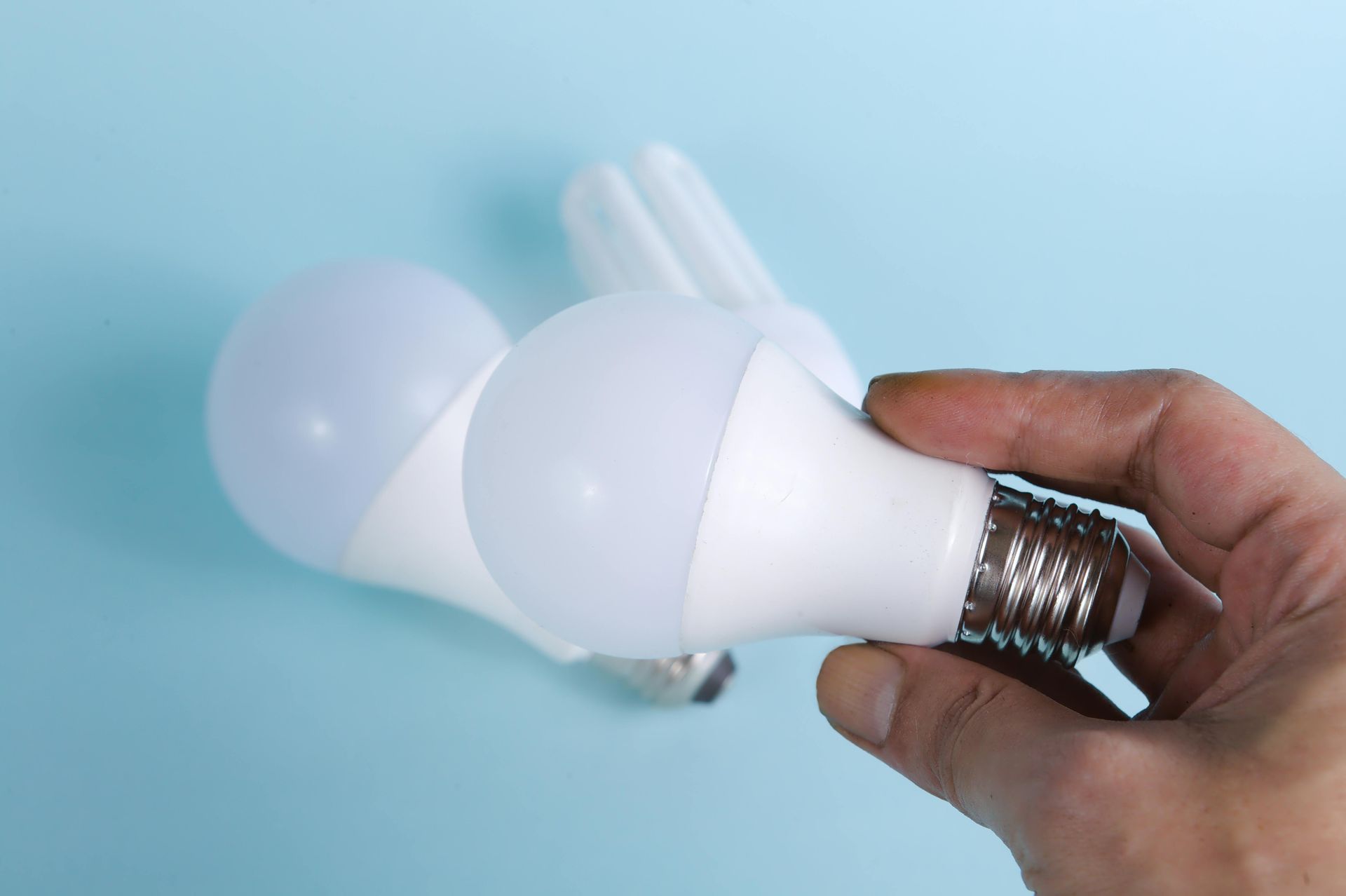
LEDs offer superior brightness and clarity compared to traditional halogen bulbs. In foggy conditions, high-intensity LED navigation lights cut through haze more effectively, making your vessel visible from greater distances.
When researching different fixtures, keep a few key considerations in mind.
- Wide beam angles for broader visibility
- Color-coded compliance (red for port, green for starboard, white for stern)
- USCG approval to ensure regulatory compliance
Archway offers a comprehensive range of LED navigation lights, specifically designed for inland vessels. If you’re unsure which model fits your setup, our team is happy to help.
Install All-Around Anchor Lights for 360° Visibility
When anchored or stationary in low visibility, an all-around white light is essential for safety. It signals your presence to nearby vessels from every direction.
To get the most out of your vessel’s lighting, choose models with waterproof casings, shock-resistant mounts, and long-lasting LED bulbs.
These lights are especially critical when operating near locks, dams, or busy harbor zones.
Add Floodlights for Deck and Work Area Illumination
Fog doesn’t just affect navigation; it also impacts onboard safety. Crew members require clear visibility to perform tasks such as line handling, cargo checks, and equipment maintenance.
Floodlights mounted on the deck, pilothouse, or mast can make a world of difference. They illuminate walkways and work zones, reduce trip hazards, and improve visibility for onboard cameras and sensors, ensuring every person (and lens) has the best view possible.
Archway’s waterproof floodlights are designed to withstand vibration, salt spray, and extreme temperatures, making them ideal for use in inland environments.
Use Amber Lights for Enhanced Contrast
Amber lighting can improve visibility in fog by reducing glare and enhancing contrast. Consider adding amber LED fixtures to your perimeter lighting or auxiliary systems for enhanced visibility.
These lights are beneficial for tugboats that are assisting barges, vessels operating near construction zones, and nighttime docking procedures.
Maintain and Inspect Lighting Regularly
Even the best lighting system won’t help if it’s corroded, misaligned, or burned out. Foggy conditions demand peak performance from every fixture.
Create a comprehensive maintenance checklist that encompasses all essential elements of marine hygiene.
- Weekly bulb and lens inspections
- Cleaning salt and grime buildup
- Checking for loose wiring or mounts
- Replacing worn gaskets and seals
Fortunately, Archway Marine Lighting offers replacement parts and maintenance kits to keep your lighting systems in optimal condition.
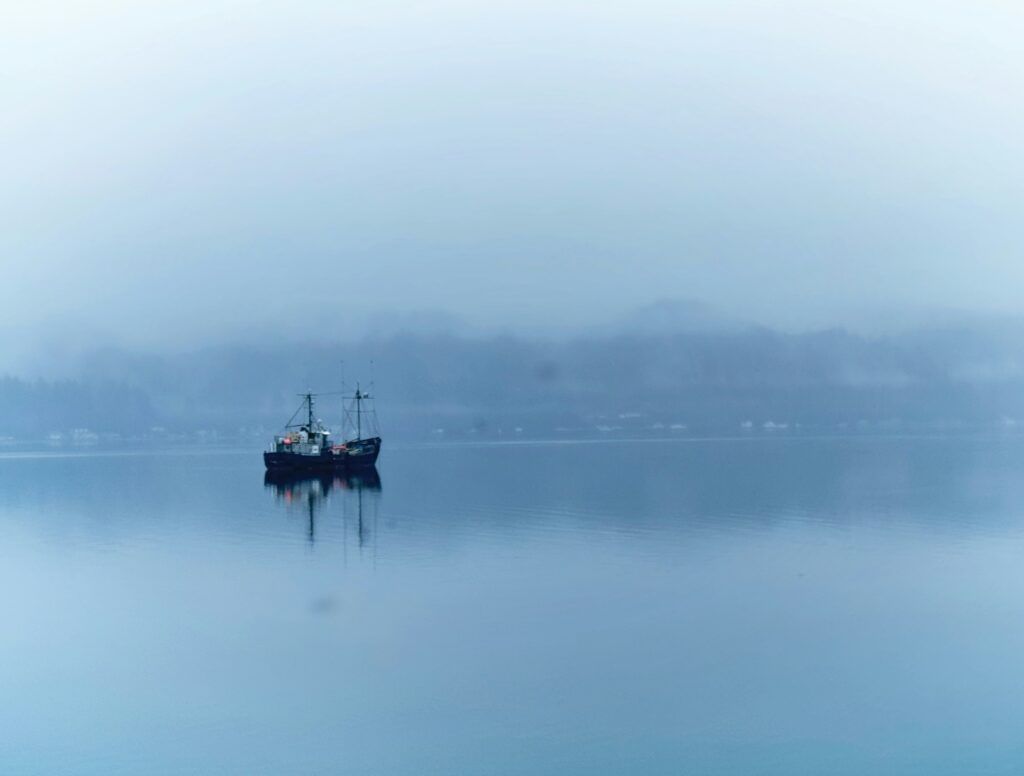
Bonus Tip: Backup Lighting Systems Save Lives
In low visibility, redundancy is key. Backup lighting systems—such as battery-powered emergency lights or secondary navigation fixtures—can prevent disaster if your primary system fails.
We recommend having portable, LED barge lights (for quick deployment), battery boxes with waterproof seals, and plenty of spare bulbs and fuses that are stored in convenient locations that are easily accessible in a pinch.
Need help building a backup kit? Our team can tailor a solution to suit your vessel type and operating conditions.
Stay Compliant, Stay Safe
Navigating fog and low visibility isn’t just about safety; it’s about compliance. The U.S. Coast Guard requires specific lighting configurations for different vessel types and operating scenarios. Failure to comply can result in fines, delays, or more severe consequences.
Archway Marine Lighting helps you meet these requirements by providing USCG-approved fixtures, offering expert guidance on light placement and installation, and providing ongoing support for the maintenance and upgrading of your setups.
Let Archway Marine Lighting Help Illuminate the Way
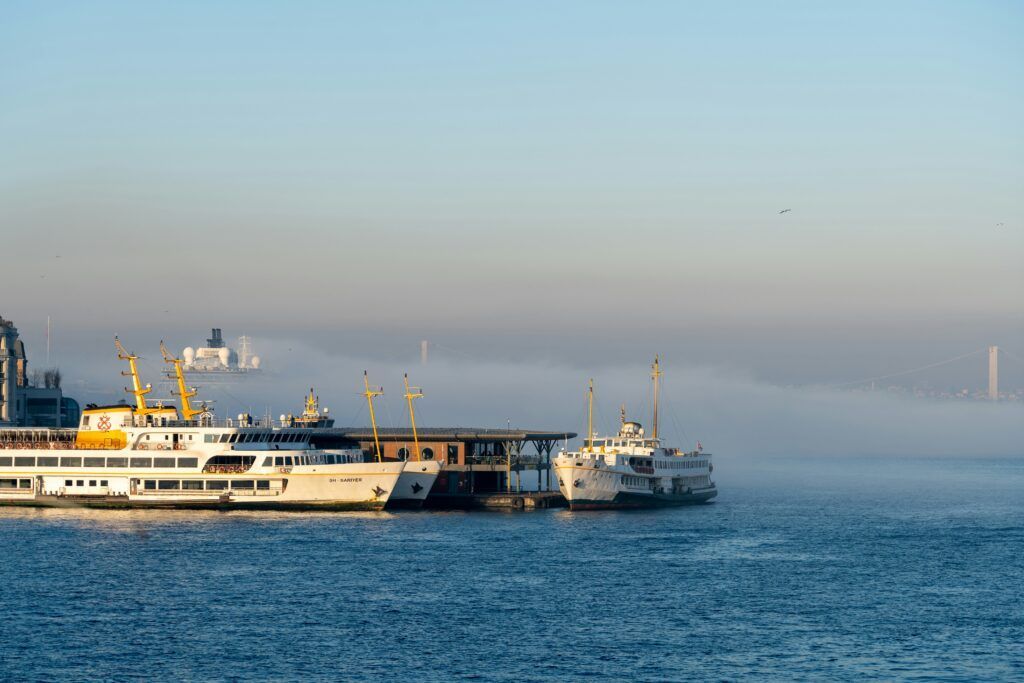
Foggy mornings and misty nights are a common occurrence on the inland waterways. But with the right lighting strategies, you can navigate them safely and confidently.
Archway Marine Lighting has been your inland marine supplier for over 30 years. From navigation lights to floodlights, backup systems to compliance support, we’ve got you covered.
Need help choosing the right lights for your vessel? Contact our experts to discover our comprehensive product line.
The post Navigating Fog and Low Visibility: Lighting Strategies for Inland Vessels appeared first on Archway Marine.