What “Marine‑Grade” Lighting Actually Means
Marine‑grade does not automatically mean durable, compliant, or right for your operation. It means a product is intended for marine environments, but the level of protection, construction quality, and real‑world performance can vary widely.
If you assume marine‑grade guarantees long service life or regulatory compliance, you may end up with lighting that fails early, creates safety gaps, or causes avoidable downtime.
Understanding what marine‑grade truly means helps you make smarter decisions before problems show up on the water.
What Does "Marine‑Grade" Actually Mean?
Marine‑grade means the product is designed to operate in wet, corrosive, high‑vibration environments.
That is the baseline.
It does not mean every marine‑grade product performs the same way or lasts the same amount of time.
At its core, marine‑grade typically includes:
- Materials that resist corrosion from moisture and exposure
- Sealed housings to limit water intrusion
- Construction intended to handle vibration and movement
- Electrical components suited for marine power systems
That definition is broad. Two products can both be labeled marine‑grade and perform very differently once installed on a working vessel.
What Marine‑Grade Does Not Guarantee
Marine‑grade does not guarantee long life, compliance, or suitability for your specific application. This is where many operators get caught off guard.
Marine‑grade does not automatically mean:
- U.S. Coast Guard compliant
- Rated for continuous duty or long shifts
- Designed for inland river conditions
- Resistant to constant vibration and impact
- Properly sealed for washdowns or heavy rain
- Compatible with your vessel's electrical load
A light can survive occasional exposure to water and still fail quickly when installed near engines, winches, or work areas that vibrate nonstop.
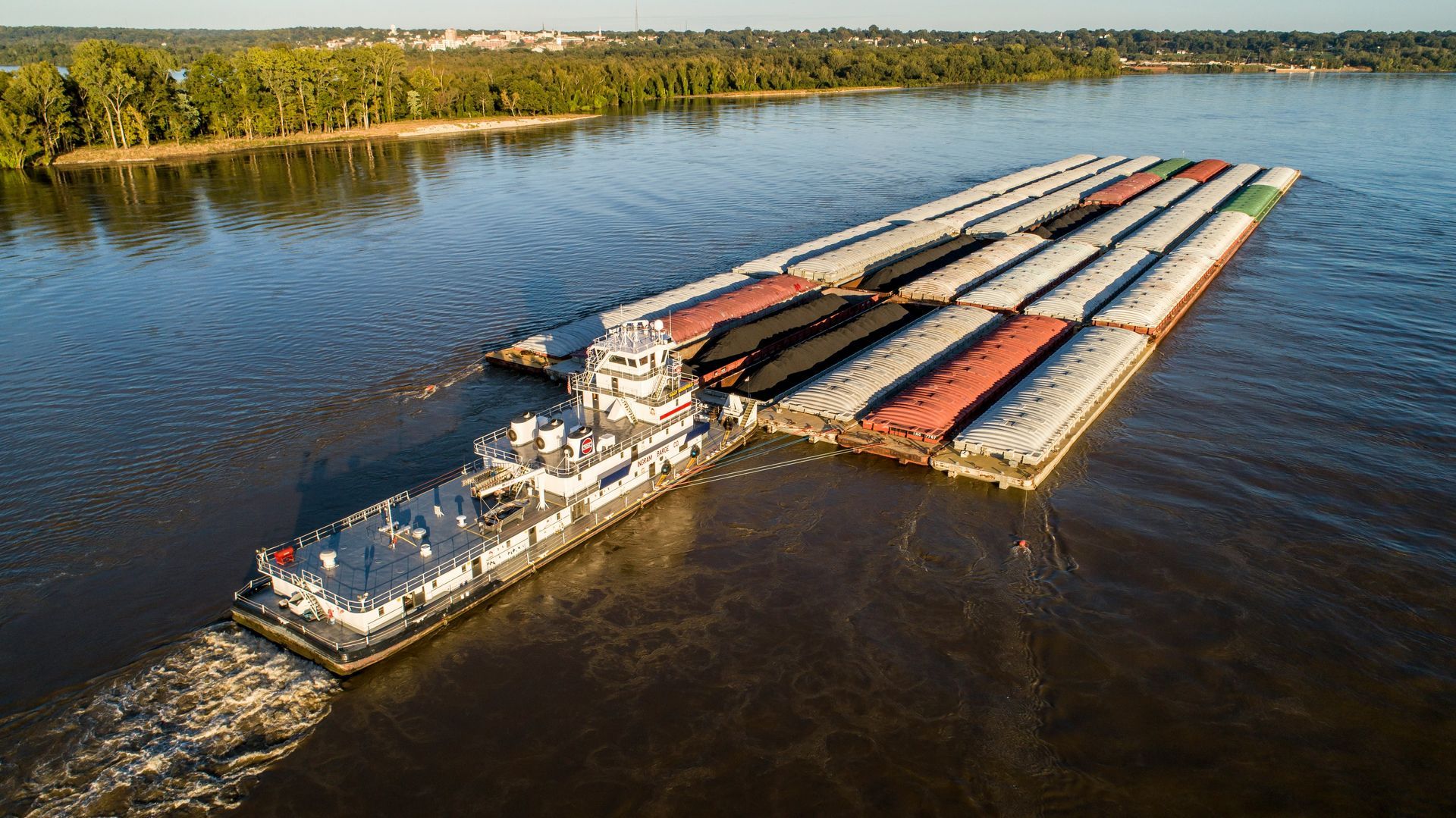
Why Marine‑Grade Looks Different on Inland Vessels
Marine‑grade products are often designed with a wide range of marine environments in mind. Inland operations create unique challenges that generic marine‑grade standards do not always address.
On inland waterways, you deal with:
- Constant vibration from engines and tow operations
- Tight working areas with high impact risk
- Frequent night operations
- Mud, debris, and spray rather than open saltwater
- Long duty cycles with little downtime
A fixture that performs fine on a recreational boat or marina dock may not hold up on a towboat or barge deck.
Note: Marine-grade alone does not account for how hard inland vessels work.

How Materials Separate True Marine-Grade from Marketing Labels
Materials matter more than labels. When marine‑grade is used as a marketing term, material quality is often where corners get cut.
True marine‑grade lighting typically uses:
- Stainless steel or corrosion‑resistant aluminum housings
- Marine‑rated wiring and connectors
- UV‑resistant lenses and coatings
- Gaskets designed to stay sealed under vibration
Lower‑quality products may use painted steel, thin seals, or non‑marine wiring. These components often fail first, even if the fixture itself looks solid at installation.
Does Marine‑Grade Mean USCG Compliant?
Marine lighting is closely tied to safety and regulatory expectations. Navigation lights, deck lighting, and work area illumination all play a role in maintaining compliance and protecting crews.
Repeated lighting failures can expose operators to compliance risks and increase scrutiny during inspections.
More importantly, they can compromise situational awareness and visibility, putting both crew members and vessels at risk.
Investing in lighting designed for inland marine use helps ensure systems perform as expected when they matter most.
Real‑World Example: When Marine‑Grade Falls Short
You install marine‑grade LED deck lights on a barge to replace older fixtures. The specs look good, and the label says marine‑grade.
Six months later, multiple lights start flickering. Seals loosen. Moisture reaches the wiring. Crew members begin working around dark spots during night loading.
The issue is not bad luck. The lights were marine‑grade, but they were not built for vibration, long duty cycles, or constant impact. The label was technically accurate, but operationally misleading.
How To Evaluate Marine-Grade Lighting for Your Operation
Marine‑grade should be the starting point, not the decision point. The right questions reveal whether a product fits your vessel.
Ask these practical questions:
- Where will this light be installed?
- How much vibration will it experience?
- Will it be subject to washdowns or standing water?
- How many hours per shift will it run?
- Does it need to meet USCG requirements?
- What happens if it fails during night operations?
If a vendor cannot answer these questions clearly, the product may not be right for your application.
Marine‑Grade vs Purpose‑Built Lighting
The safest approach is to choose lighting designed for your specific use case, not just marine-grade-labeled lighting.
Purpose‑built marine lighting accounts for:
- Installation location
- Electrical load and voltage stability
- Duty cycle length
- Maintenance access
- Safety and compliance requirements
Marine‑grade is a category. Purpose‑built is a solution.
How Marine‑Grade Decisions Affect Cost and Downtime
Choosing the wrong marine‑grade product often costs more over time. Failures rarely happen at convenient moments.
Poor fit leads to:
- Emergency replacements
- Crew labor spent troubleshooting
- Work delays during night operations
- Increased safety risk
- Repeat purchases that add up quickly
Spending slightly more upfront on the right lighting often reduces total cost over the life of the vessel.
What Marine‑Grade Should Mean to You
Marine‑grade should mean the product can survive your environment, not just any marine environment. The goal is reliable lighting that supports safety, compliance, and uptime.
When you look beyond the label and focus on construction, ratings, and real‑world use, marine‑grade becomes a useful standard instead of a vague promise.
If you want help evaluating whether a marine‑grade product truly fits your vessel or application, working with experts who understand inland operations makes the difference.
Connect With Archway Marine Lighting
Working with Archway Marine Lighting means more than buying a fixture.
It means getting guidance from people who understand the challenges of vibration, moisture, long duty cycles, and demanding inland environments.
When you need lighting that supports safety, reliability, and long-term performance, Archway Marine Lighting is a partner you can count on.
Contact us today to get started.