Cost-Effective Marine Lighting Solutions to Reduce Maintenance & Downtime
Marine operations, whether on inland waterways or coastal environments, require reliable lighting solutions to ensure safety, efficiency, and compliance with regulations.
However, frequent maintenance and unexpected lighting failures can lead to costly downtime, increased labor expenses, and disruptions in operations.
Investing in cost-effective marine lighting solutions can help operators reduce maintenance, extend equipment lifespan, and save money.
The Cost of Inefficient Marine Lighting
Marine lighting systems must withstand harsh conditions, including exposure to water, salt, extreme temperatures, and constant vibration.
Traditional lighting solutions, such as halogen and metal halide lights, often require frequent replacements and maintenance due to their shorter lifespan and higher susceptibility to environmental damage.
The costs associated with these inefficiencies can add up quickly.
- Frequent Bulb Replacements : Traditional bulbs burn out faster, requiring constant replacements and increasing material costs.
- High Energy Consumption : Older lighting technologies consume more electricity, increasing operational costs.
- Increased Maintenance Labor : Maintenance crews must frequently inspect and replace faulty lights, increasing labor expenses.
- Operational Downtime : Malfunctioning lights can slow operations, cause safety hazards, and lead to regulatory fines.
Operators can significantly reduce these expenses by upgrading to modern, cost-effective marine lighting solutions while improving overall efficiency.
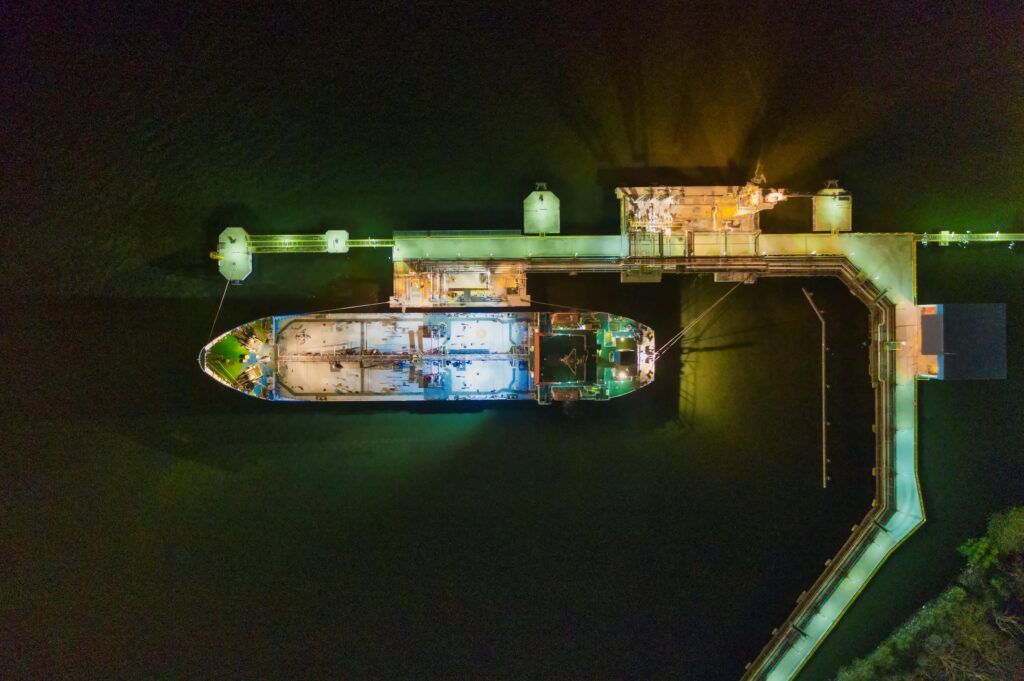
Cost-Effective Marine Lighting Solutions
LED Marine Lighting
Light Emitting Diode (LED) technology is one of the most cost-effective solutions for marine lighting.
LED lights provide superior energy efficiency, durability, and longevity compared to traditional lighting options.\
Benefits of LED marine lighting include:
- Extended Lifespan : LED lights last up to 50,000 hours , significantly reducing the frequency of replacements.
- Lower Energy Consumption : LEDs use up to 80% less energy than traditional bulbs, cutting electricity costs.
- Durability : Designed for rugged environments, LED lights withstand shocks, vibrations, and exposure to moisture.
- Minimal Heat Emission : Unlike halogen and incandescent lights, LEDs produce little heat, reducing the risk of overheating and fire hazards.
Solar-Powered Marine Lighting
Solar-powered lighting offers an excellent, cost-effective alternative for remote docks, buoys, and barges.
By harnessing solar energy, operators can eliminate the need for extensive wiring and reliance on generators. The advantages of solar-powered marine lighting are plentiful.
- Zero Energy Costs : Solar lights operate independently of the power grid, saving money on electricity bills.
- Minimal Maintenance : With no wiring and fewer components, solar lighting systems require less upkeep.
- Environmentally Friendly : Reducing reliance on fossil fuels helps operators meet sustainability goals.
- Easy Installation : Solar lights can deploy quickly without complex infrastructure.
Motion-Activated Security Lighting
Security lighting is essential for protecting marine assets and ensuring crew safety. However, keeping lights on continuously can waste energy and shorten the lifespan of the fixtures.
Motion-activated lighting provides an energy-efficient alternative solution for marine crews.
- Reduces Unnecessary Usage : Lights activate only when motion is detected, conserving energy.
- Enhances Security : Bright, sudden illumination can deter unauthorized access and theft.
- Prolong Fixture Lifespan : Reduced usage extends the life of the lighting system, decreasing replacement costs.
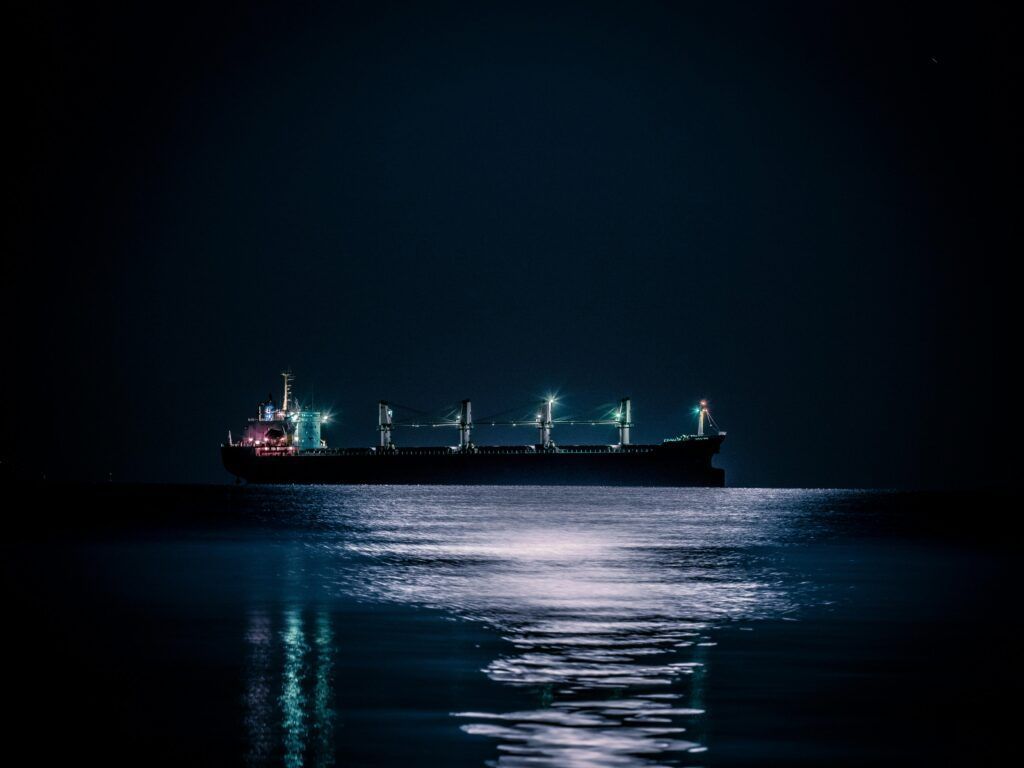
Marine-Grade Lighting Fixtures
Investing in high-quality, marine-grade lighting reduces maintenance costs by ensuring durability in harsh environments.
Features to look for in marine-grade lighting center around strength and durability.
- Corrosion-Resistant Materials : Stainless steel, aluminum, or polycarbonate fixtures resist rust and degradation.
- IP67 or IP68 Waterproof Ratings : Ensures protection against water intrusion, even in submerged conditions.
- Shock and Vibration Resistance : Prevents damage from the constant movement of vessels and docking operations.
Automated Lighting Controls & Smart Sensors
Automation technology allows marine operators to optimize lighting use and reduce unnecessary power consumption.
Smart lighting systems equipped with sensors and timers provide several benefits.
- Scheduled Operations : Automatically turn lights on and off based on set schedules.
- Dimming Capabilities : Adjust brightness levels as needed to conserve energy.
- Remote Monitoring : Allow operators to check and control lighting systems from a central hub or mobile device.
Long-Term Financial Benefits of Upgrading Marine Lighting
Switching to cost-effective marine lighting solutions offers long-term financial advantages beyond just saving on electricity bills.
Operators can expect immediate and long-lasting benefits.
- Lower Total Cost of Ownership (TCO) : Overall expenses decrease with longer-lasting and energy-efficient lighting.
- Fewer Maintenance Disruptions : Reduced maintenance needs mean fewer work stoppages and better productivity.
- Increased Safety & Compliance : Proper lighting minimizes accident risks and ensures adherence to safety regulations.
- Better Return on Investment (ROI) : While some solutions, like LED or solar-powered lights, may have higher upfront costs, they pay for themselves over time through energy and maintenance savings.
Best Practices for Implementing Cost-Effective Marine Lighting
Assess Lighting Needs
Conduct an audit of your current lighting setup to identify areas where efficiency can improve. Consider factors such as energy consumption, maintenance history, and lighting quality.
Choose the Right Products
Select lighting solutions based on your specific marine environment and operational requirements. Ensure compliance with Coast Guard and inland waterway regulations.
Plan for Long-Term Savings
While energy-efficient lighting may cost more upfront, focus on long-term financial benefits. Calculate the expected savings over several years to justify the investment.
Regularly Maintain & Upgrade Lighting Systems
Even with durable solutions, routine inspections and upgrades will ensure optimal performance and reduce maintenance costs.
Work with a Trusted Marine Lighting Supplier
Partner with a reputable supplier who can provide high-quality, marine-grade lighting solutions tailored to your operational needs.
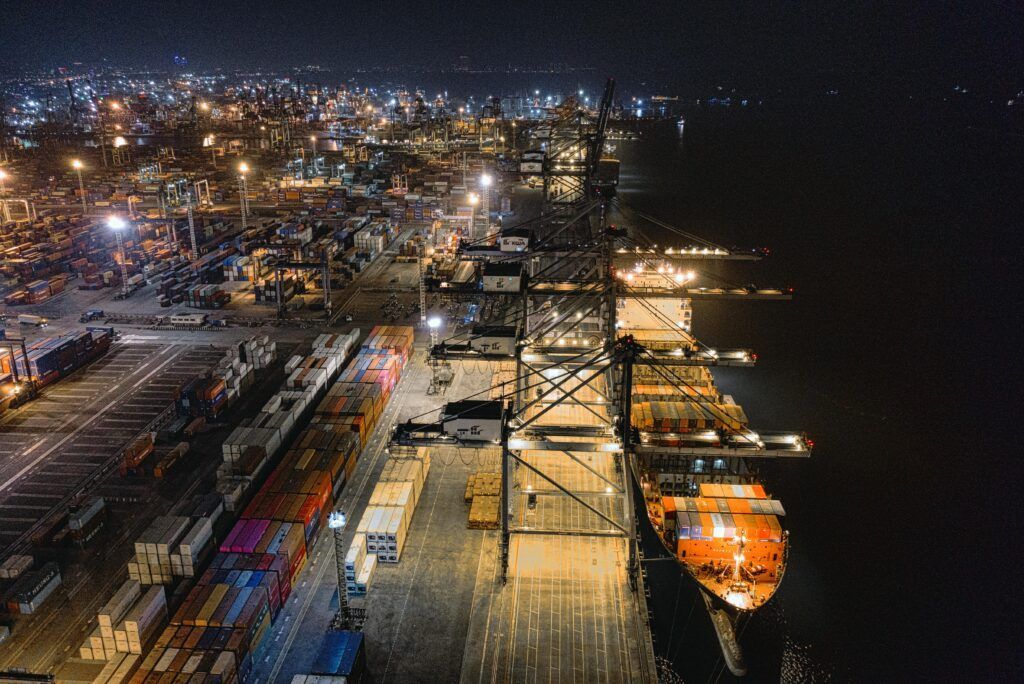
Work With Archway Marine Lighting
Investing in cost-effective marine lighting solutions is one of the more innovative ways for inland waterway and coastal operators to save money while enhancing safety and efficiency.
Operators can significantly reduce maintenance costs, minimize downtime, and optimize energy use by upgrading to LED, solar-powered, motion-activated, and marine-grade lighting.
For over 30 years , Archway Marine Lighting has supplied the industry with high-quality lighting solutions. Our catalog features a wide range of products tailored to meet the unique demands of inland navigation, from durable LEDs to advanced innovative lighting systems.
Our commitment to excellence in marine lighting helps operators enhance safety, improve efficiency, and maintain compliance.
Contact us today to learn more about our LED lighting solutions, navigation gear, and safety equipment. Let us help you prepare your vessel for smooth sailing ahead!
The post Cost-Effective Marine Lighting Solutions to Reduce Maintenance & Downtime appeared first on Archway Marine.