Personal Protective Gear for You and Your Inland Marine Team
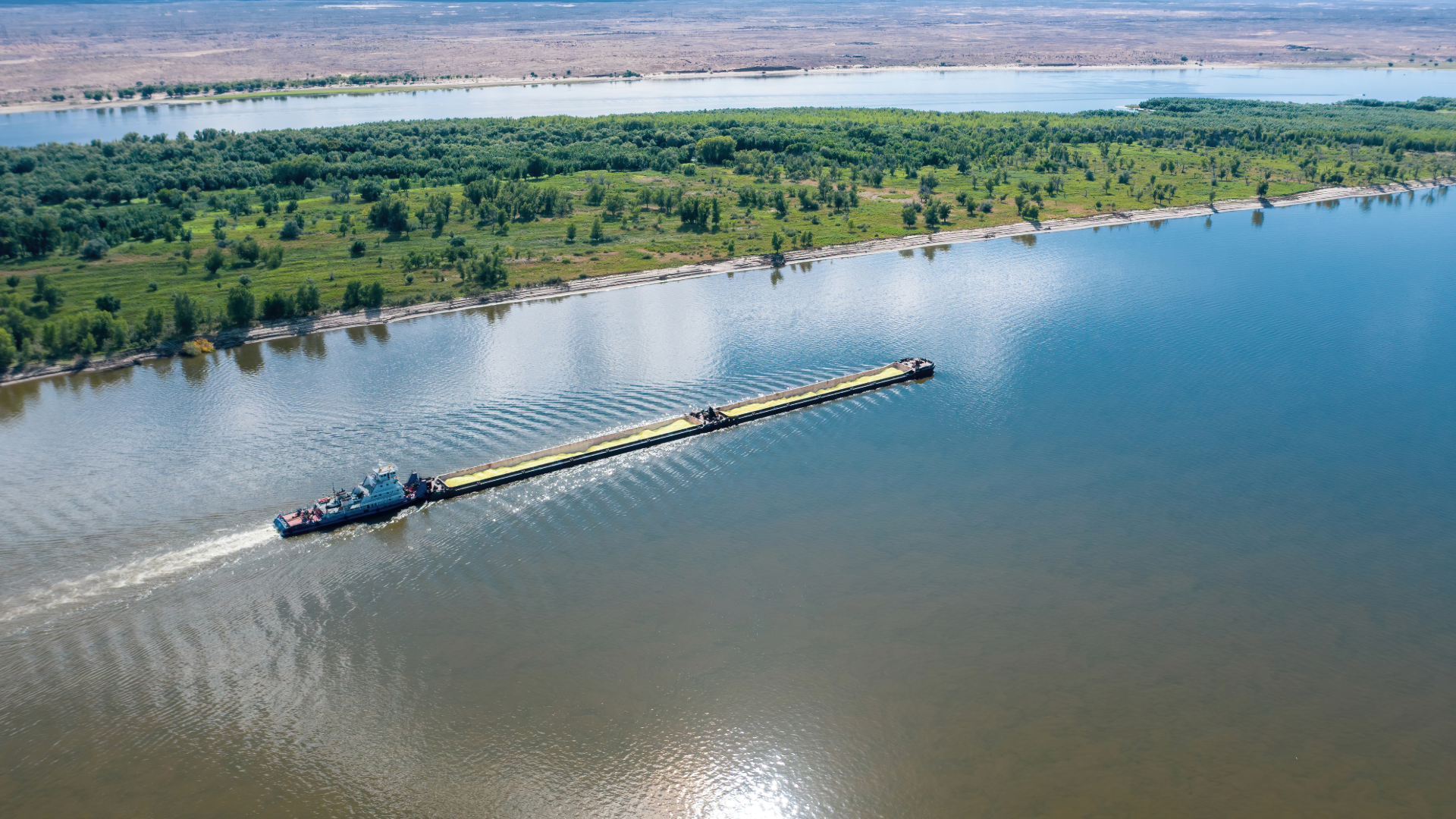
Operating on inland waterways comes with its own unique set of challenges. Unlike open-sea vessels, inland marine teams often work in tight quarters, near industrial sites, and in conditions where visibility and maneuverability can change quickly.
From unpredictable currents to fast-changing weather, the risks are real, making personal protective equipment (PPE) an essential part of everyday operations.
The right gear does more than meet regulatory requirements; it builds confidence among crew members, reduces the chance of accidents, and ensures your team is prepared for emergencies.
Here’s a breakdown of the key categories of protective gear every inland marine team should have, along with best maintenance, training, and compliance practices.
Understanding Inland Marine Hazards
Before diving into the equipment itself, it’s essential to understand the kinds of hazards this gear is designed to address:
- Environmental Risks: Sudden current shifts, poor visibility caused by fog or debris, or storms that roll in faster than expected.
- Operational Threats: these include slips and trips on wet decks, accidental impacts with dockside equipment, and falling objects from work overhead.
- Emergencies: Man-overboard incidents, collisions, or fires where rapid signaling and evacuation tools are crucial.
You set your crew up for safer and more efficient operations by aligning PPE with these risks.
Essential Personal Protective Gear
Personal Flotation Devices (PFDs)
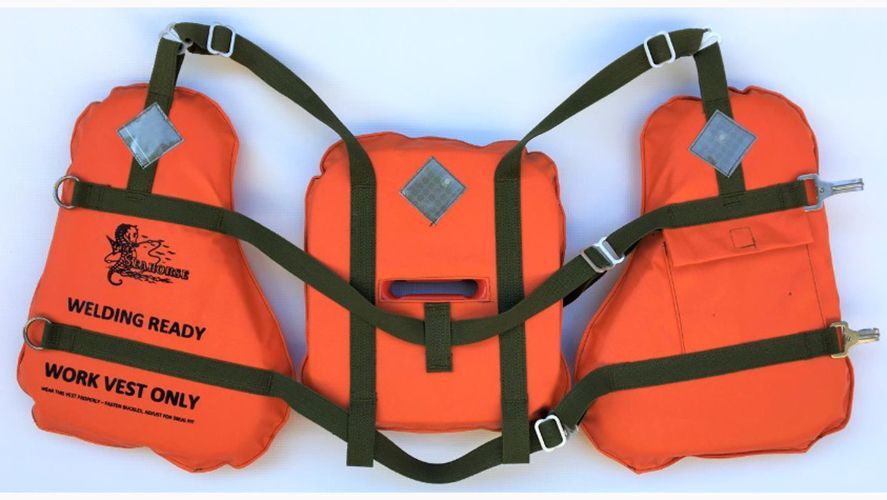
Life vests are the cornerstone of marine safety. A proper PFD provides buoyancy, keeps the wearer afloat if they fall overboard, and reduces fatigue in the water while awaiting rescue.
When choosing PFDs, it’s essential to consider a handful of factors.
- Fit and sizing: Options should accommodate everyone on board, from minor to 3X-large. A poorly fitted vest can compromise safety.
- Design type: U.S. Coast Guard–approved Type III or Type V PFDs are standard for inland operations. Type III vests are comfortable for extended wear, while Type V vests often have added features for specialized tasks.
- Durability: Look for rugged fabrics and corrosion-resistant hardware that withstand constant exposure to moisture and sun.
Emergency Signaling Devices
In emergencies, being seen and heard can make all the difference. That’s why signaling equipment is vital to have on hand at all times.
- Strobe lights and beacons for night operations or low-visibility environments.
- Whistles or horns for quick audible alerts.
- Reflective tape or gear that improves visibility under searchlights or spotlights.
Each crewmember should have at least one personal signaling device, with backups stored in easily accessible locations on the vessel.
Survival Tools and Accessories
Beyond flotation and signaling, several smaller items can save lives in critical moments.
- Rescue throw lines to pull in someone who’s gone overboard.
- Emergency blankets to prevent hypothermia during long rescues.
- Marine knives or cutters for entanglements in ropes or nets.
- Helmets and gloves to protect during line handling or heavy lifting.
Together, these accessories form a safety net that prepares your team for unexpected challenges.
Matching Gear to Roles
Different crew members face other risks. Here’s how you can tailor PPE to roles on an inland marine team.
- Deckhands and line handlers: Heavy-duty PFDs, gloves with a strong grip, and signaling whistles.
- Bridge operators or pilots: Compact PFDs that allow mobility, strobe lights for visibility, and reliable headlamps.
- Maintenance crews: Safety glasses, cut-resistant gloves, and PFDs for deck work.
- Captains and supervisors: Oversight tools such as checklists, inspection logs, and quick-access signaling gear for leadership in emergencies.
By matching gear to responsibilities, you reduce downtime and increase safety compliance.
Inspection, Maintenance, and Storage
Even the best gear won’t protect your team if improperly maintained. Set up a routine that includes inspections, maintenance, and storage protocols.
- Inspection: Check life vests for tears, breakdowns in buoyancy material, or rust on zippers and clips. Test signaling devices and replace strobe batteries before they expire.
- Maintenance: Clean and dry PFDs after oil, chemicals, or saltwater exposure.
- Storage: Keep gear in dry, shaded areas to prevent mold and UV damage. Label shelves or lockers so equipment can be quickly located in an emergency.
Training, Drills, and Preparedness
Safety gear is only as effective as the person using it. Regular training ensures crew members know how to deploy their gear under pressure.
- Conduct man-overboard drills using throw lines and signaling devices.
- Train new hires on proper PFD fitting and adjustment during onboarding.
- Run nighttime or low-visibility drills so the team becomes comfortable relying on strobes and reflective gear.
Integrating PPE into daily practice creates a safety culture that pays dividends during emergencies.
Compliance and Standards
Finally, remember that U.S. Coast Guard and OSHA standards regulate most inland marine safety equipment. Check for important information when purchasing and inspecting equipment.
- USCG approval labels on PFDs.
- ANSI/OSHA standards on protective gloves, helmets, and eyewear.
- Service dates and expiration labels on signaling devices like strobes and flares.
Compliance isn’t just about avoiding fines: it ensures your crew uses gear tested and proven for marine conditions.
Connect with Archway Marine Lighting
Your crew’s safety is the foundation of successful operations on inland waterways. Equipping your team with the proper protective gear (PFDs, signaling devices, survival tools) and reinforcing those choices with training and maintenance can dramatically reduce risks.
Safety is not a one-time investment but a continuous preparation, inspection, and education process. Making PPE a daily priority creates a workplace culture where everyone feels confident, protected, and ready for whatever the water brings.
For over 30 years, Archway Marine Lighting has supplied the industry with high-quality lighting solutions. Our catalog features a wide range of products tailored to meet the unique demands of inland navigation, from durable LEDs to advanced innovative lighting systems.
Our commitment to excellence in marine lighting helps operators enhance safety, improve efficiency, and maintain compliance.
Contact us today to learn more about our LED lighting solutions, navigation gear, and safety equipment. Let us help you prepare your vessel for smooth sailing ahead!
The post Personal Protective Gear for You and Your Inland Marine Team appeared first on Archway Marine.