What You Need to Know for Lighting Nighttime Operations
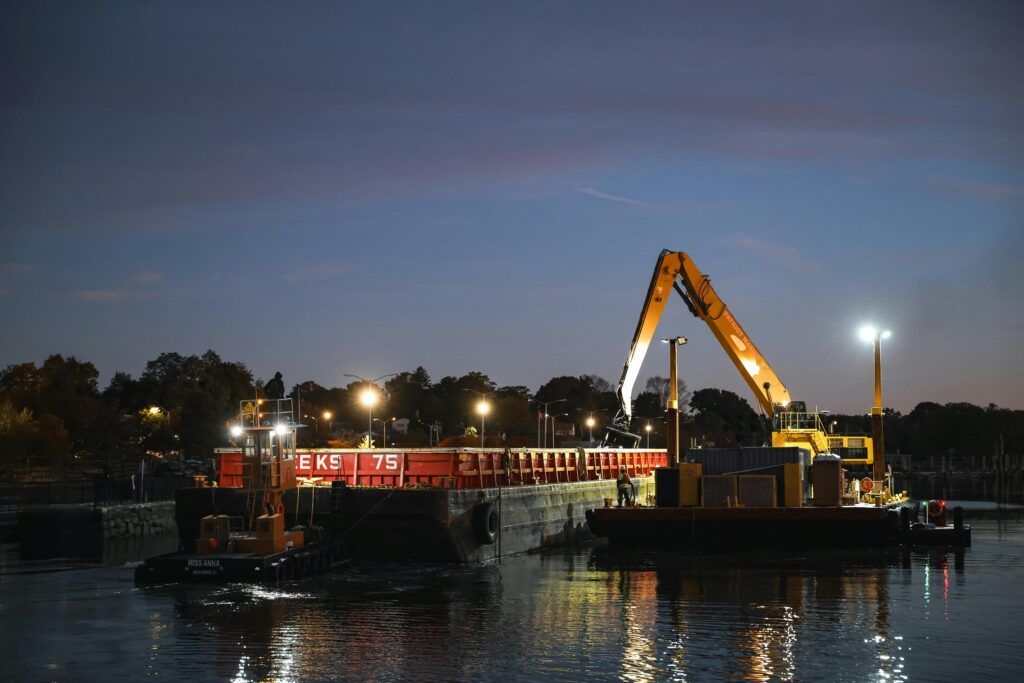
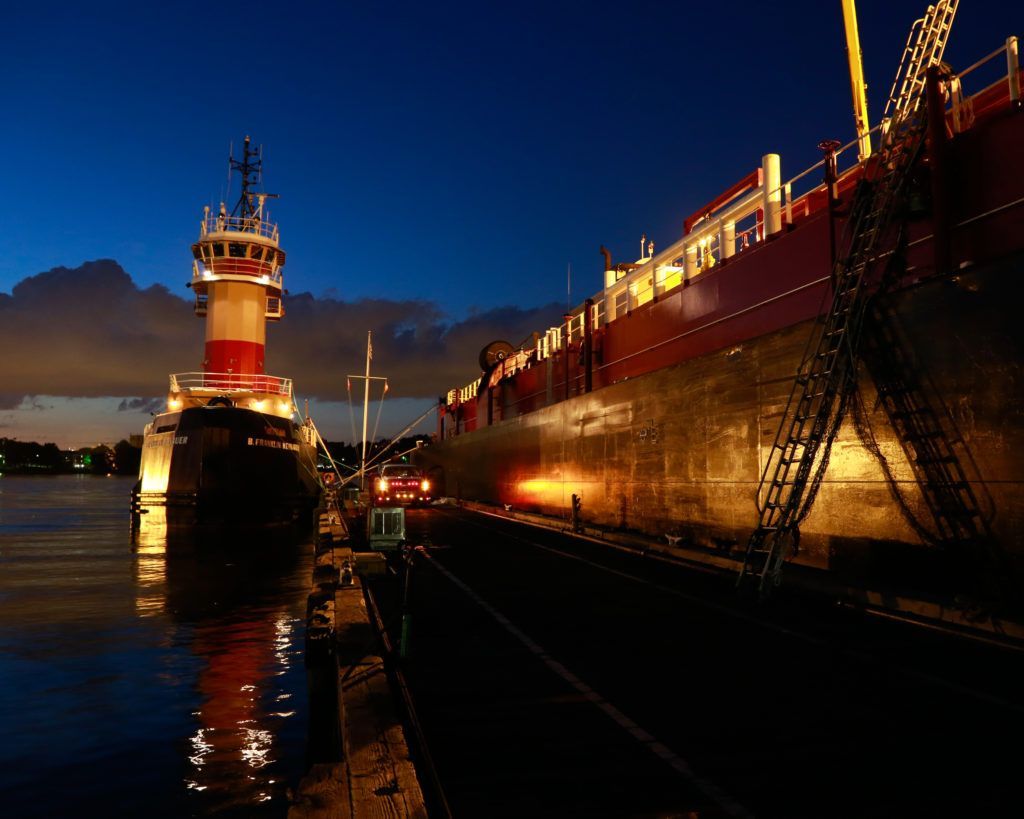
In the world of inland marine operations, time is money, and downtime isn’t an option. Whether you’re running a busy shipyard, overseeing barge loading, or managing container logistics at a port, operations often extend well beyond daylight hours.
That’s why adequate lighting for night operations isn’t just a convenience—it’s a critical component of safety, productivity, and efficiency.
Poor lighting can lead to accidents, slowdowns, and even equipment damage. Conversely, a well-lit work environment supports operational flow, enhances worker safety, and contributes to overall job site performance.
Not all lighting solutions are created equal, especially in the rugged, moisture-heavy world of marine environments.
So, what do you need to know to optimize your lighting for night operations in an inland marine setting? Let’s break it down.
The Importance of Proper Lighting at Night
Operating in low-light conditions introduces a variety of risks for your crew and your vessel.
- Reduced visibility can lead to slips, trips, and falls.
- Poorly lit work areas make it harder for crews to see potential hazards.
- Improperly illuminated equipment increases the chances of mishandling or malfunction.
- Increased eye strain and fatigue reduce worker focus and reaction time.
By investing in a robust lighting solution tailored to your night operations, you will protect your team and extend the functionality of your facility long after the sun sets.
Key Factors in Choosing Lighting for Night Marine Operations
Durability in Harsh Environments
Inland marine environments are exposed to humidity, salt, vibration, and heavy equipment movement. Lighting systems must withstand these harsh conditions.
- Waterproof & corrosion-resistant
- Look for IP65+ ratings)
- Shock & vibration resistant
- Able to withstand extreme temperatures and conditions
Choose lighting made specifically for industrial and marine applications—these are designed to endure what general-purpose lighting cannot.
Proper Light Levels & Beam Control
Lighting levels are measured in lux (otherwise known as”illuminance” or “illumination”), and different tasks require different brightness levels.
- General work areas : 150–300 lux
- Precision tasks or inspections : 500+ lux
- Pathways & walkways : 50–100 lux
You’ll also want fixtures that provide uniform coverage without excessive glare. High-CRI ( Color Rendering Index ) lighting can improve visibility by more accurately representing colors, which is critical during inspections or equipment maintenance.
Mounting Height and Fixture Positioning
The way your lights are installed can significantly impact their effectiveness.
- Mounting fixtures high enough to reduce shadows and maximize spread.
- Use adjustable floodlights or area lights to cover large work zones.
- Task-specific lighting for crane cabs, control rooms, or inspection points.
Lighting should be layered—using general area lighting combined with task lighting for detailed work.
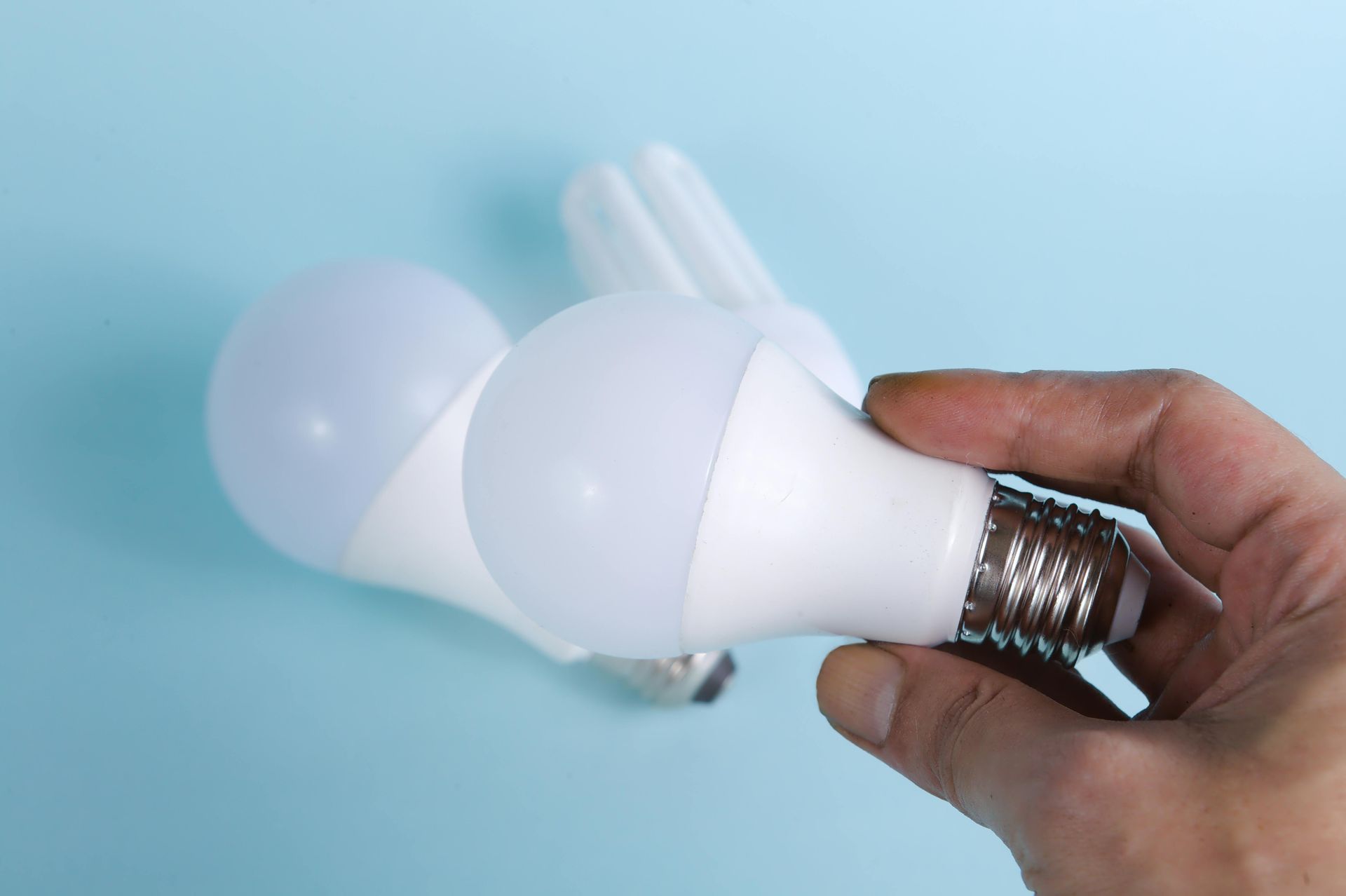
Energy Efficiency with LED Technology
LEDs are the go-to solution for modern marine lighting—and for good reason.
- Up to 80% more energy -efficient than traditional HID or halogen bulbs.
- Longer lifespan (50,000+ hours), reducing the need for frequent replacements.
- Lower heat output , reducing strain on enclosed fixtures.
- Instant-on capability , perfect for motion-sensor applications.
These benefits lead to significant long-term cost savings on both energy and maintenance.
Safety and Compliance Standards
Lighting for night operations must meet industry safety and OSHA lighting standards, which cover different considerations when it comes to marine vessel lighting.
- Dark sky compliance if your facility is near residential or environmental zones.
- Explosion-proof fixtures are required in areas where flammable materials are stored or transported.
- Backup power compatibility to keep lights on during outages.
A professional lighting audit can help ensure your system meets all local and federal safety requirements.
Best Lighting Fixtures for Night Marine Operations
Here are some of the most effective lighting types used in inland marine facilities:
- LED Floodlights – Ideal for large open areas like docks, storage yards, and loading zones.
- High Mast Lighting – Mounted on tall poles to cover expansive work areas with minimal shadows.
- Wall Packs – Perfect for building perimeters and entrance zones.
- Portable Work Lights – Great for temporary projects, emergency repairs, or mobile job sites.
- Motion-Activated Security Lighting – Enhances security while reducing energy waste.
Sustainable Lighting Solutions
Sustainability is increasingly important in the marine and logistics industries. LED lighting not only lowers carbon emissions through reduced energy usage, while providing several other sustainable benefits.
- Reduces landfill waste with longer-lasting fixtures
- Can be paired with solar or hybrid power systems
- Integrates easily with smart controls for automation and energy management
Implementing sustainable lighting is good for the planet and a powerful part of your brand’s corporate responsibility strategy.
Make the Switch—Safely and Strategically
Upgrading your inland marine lighting doesn’t have to be a headache. You can work with a trusted commercial lighting partner who knows your industry’s unique demands. From site assessments and custom layouts to fixture recommendations and installation, a professional approach ensures your investment pays off, both in safety and performance.
Work With Archway Marine Lighting
Night operations are non-negotiable in inland marine logistics, but darkness shouldn’t compromise safety or productivity.
With the right lighting strategy, you can keep your crew safe, your workflow efficient, and your energy bills in check.
At Archway Marine Lighting, we specialize in rugged, marine-grade lighting explicitly designed for inland waterway environments.
Contact us today to learn more about how our lighting solutions can improve safety, visibility, and efficiency across your operations.
The post What You Need to Know for Lighting Nighttime Operations appeared first on Archway Marine.