Choosing the Right Marine Lighting For Your Climate
Choosing the proper marine lighting is critical in ensuring safety, efficiency, and visibility in various maritime environments.
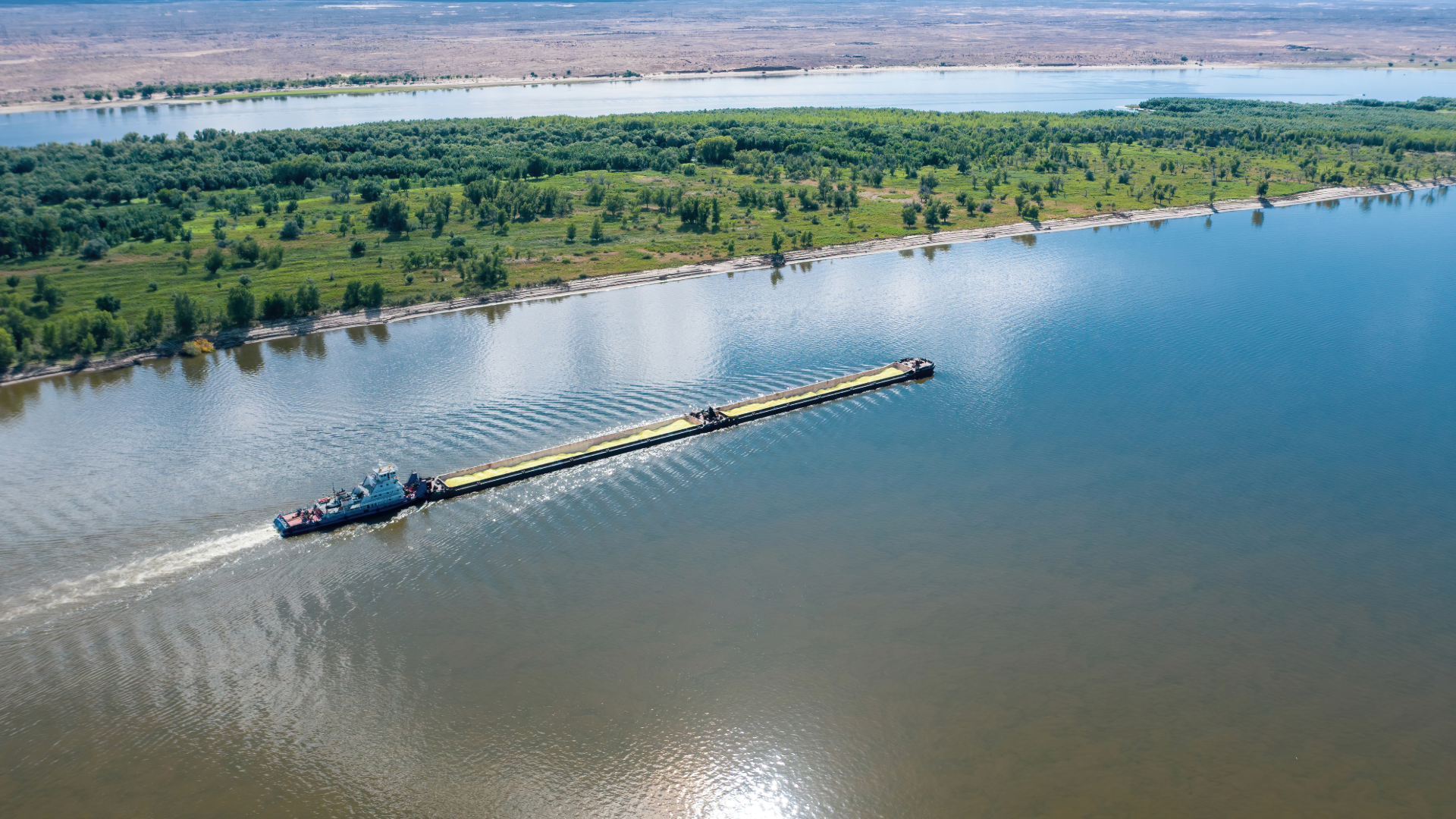
Whether your operations occur in icy northern waters or humid inland waterways, choosing the right lighting system is crucial for long-term performance and durability. Extreme temperatures, moisture, and environmental factors can significantly impact the lifespan and effectiveness of marine lighting.
Understanding how different climates affect lighting solutions will help you make the best choice for your vessel, dock, or industrial marine facility.
Challenges of Cold Climate Marine Lighting
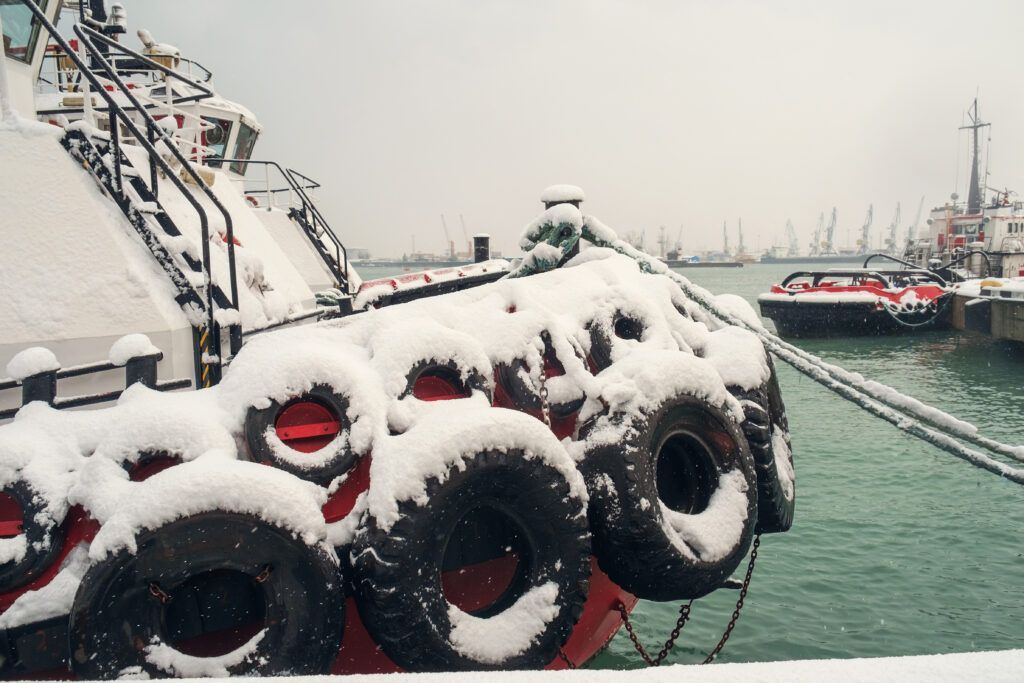
Cold climates pose unique challenges for marine lighting, particularly in inland waterways and ports where freezing temperatures, snow, and ice accumulation can impact visibility and lighting performance.
Extreme Temperatures and Bulb Efficiency
Subzero temperatures can affect the efficiency of certain types of marine lights.
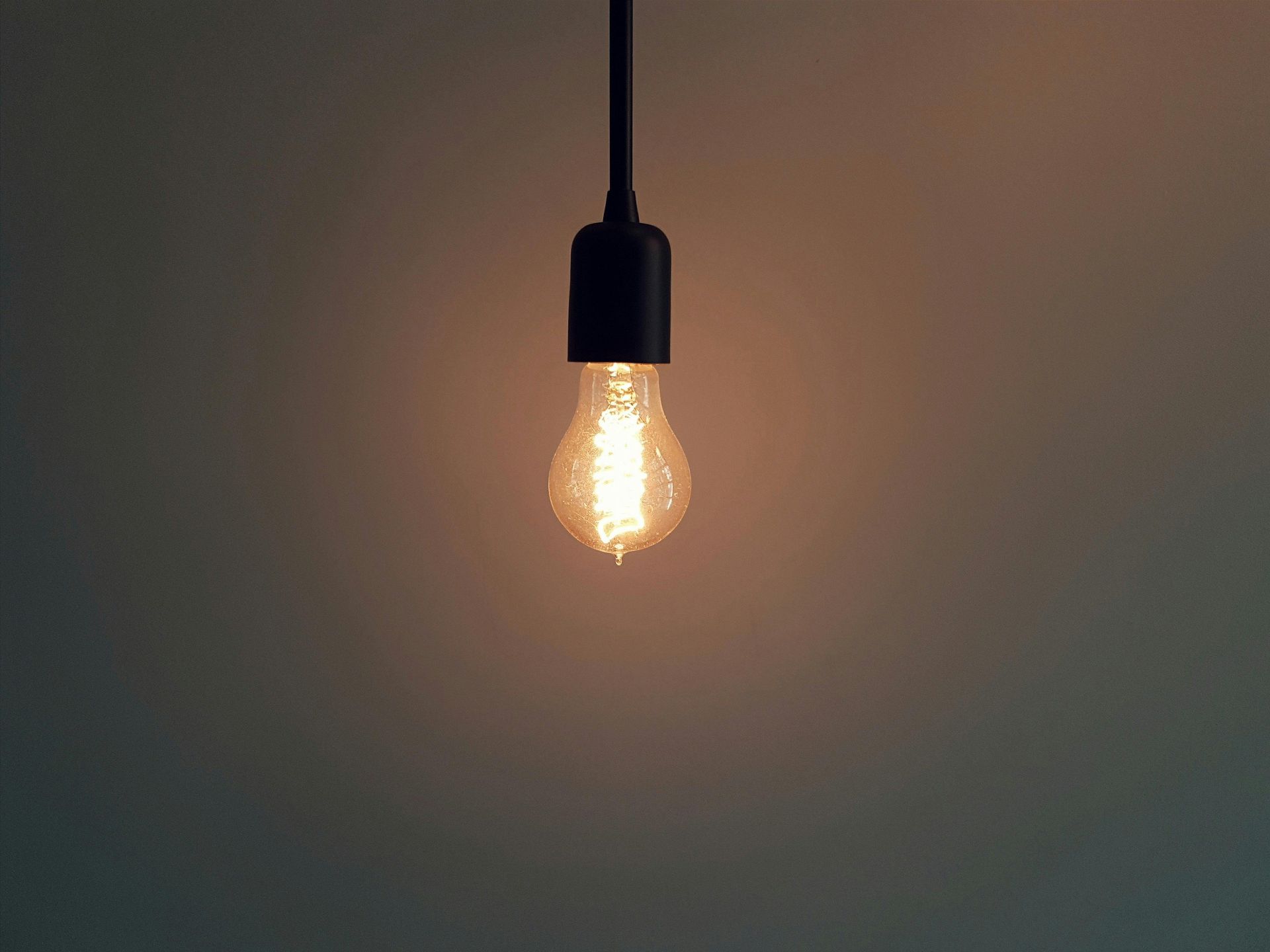
Traditional incandescent and fluorescent bulbs are especially vulnerable to cold weather, as the gases inside can condense, reducing light output and causing flickering.
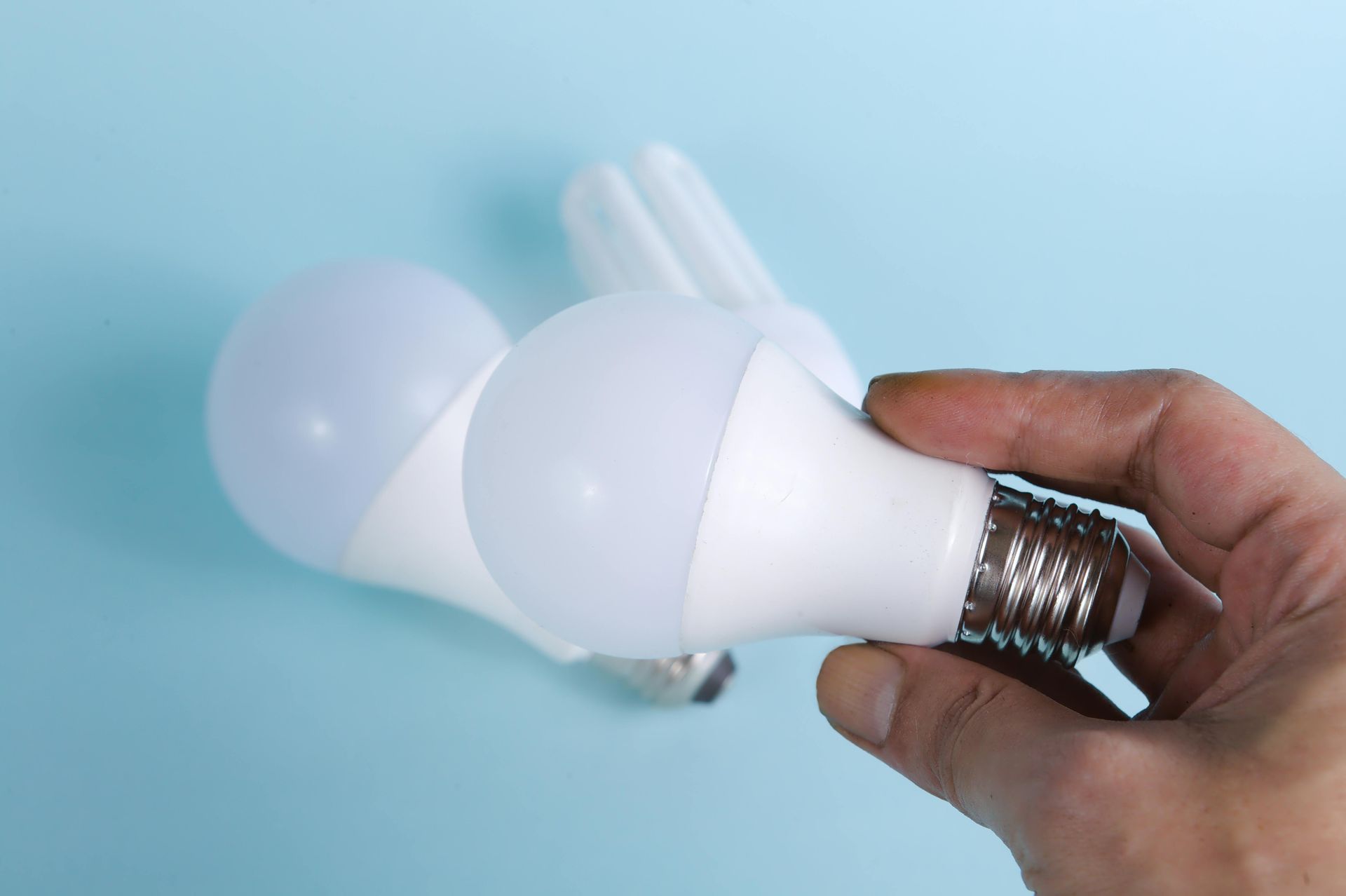
LED lighting, however, is well-suited for cold climates as it operates more efficiently in lower temperatures and maintains consistent brightness levels.
Moisture and Ice Accumulation
In freezing conditions, moisture can turn into ice and accumulate on lighting fixtures, obstructing visibility. Ice buildup can also put additional weight and strain on fixtures, potentially causing damage.
Selecting marine lighting with sealed, waterproof, and corrosion-resistant enclosures will help prevent moisture ingress and ensure reliable performance.
Material Durability and Expansion
Cold weather can make certain materials brittle, increasing the likelihood of cracking or breakage. Choosing marine-grade aluminum or stainless steel housings ensures the fixtures remain durable in frigid environments.
Additionally, polycarbonate lenses are preferable to glass, as they are more impact-resistant and less likely to crack under extreme cold.
Proper Heat Management
In cold climates, lighting fixtures must account for heat dissipation to prevent internal condensation. LED lights with integrated thermal management systems help regulate heat distribution, preventing damage to internal components and ensuring consistent light output.
Challenges of Hot Climate Marine Lighting
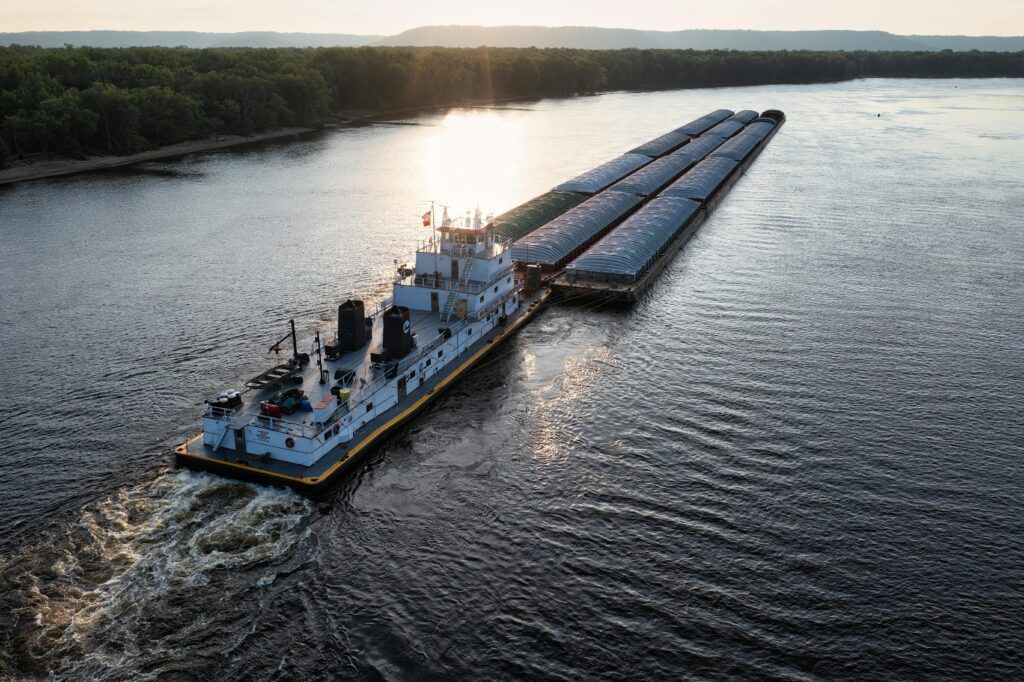
Just as cold weather presents challenges, hot climates—such as inland marine environments in the southern U.S. and tropical regions (even summers here in St. Louis)—require lighting that can withstand high temperatures, intense sunlight, and humidity.
Overheating and Reduced Lifespan
High temperatures can cause certain lighting fixtures to overheat, leading to premature failure or reduced efficiency.
Traditional lighting, such as metal halide or fluorescent bulbs, is particularly susceptible to heat damage. LED lighting with high-temperature-rated drivers and heat sinks can effectively dissipate heat, extending the lifespan of the fixtures.
UV Exposure and Material Degradation
Direct sunlight and UV exposure can cause plastic components to degrade over time, leading to discoloration, warping, or brittleness.
Opting for UV-resistant marine lighting materials ensures longevity in hot climates. To prevent sun damage, look for fixtures with UV-stabilized polycarbonate lenses and powder-coated metal housings.
Humidity and Corrosion Resistance
Inland marine environments with high humidity levels can lead to condensation inside fixtures, causing electrical failures and corrosion.
Marine-grade stainless steel or powder-coated aluminum housings offer superior protection against rust and corrosion. IP-rated waterproof fixtures also help prevent moisture ingress, ensuring reliability in humid conditions.
Dust and Debris Protection
Hot inland environments often experience dry, dusty conditions, particularly in industrial shipping areas or river ports.
Dust can accumulate inside fixtures, reducing light output and increasing maintenance needs. Sealed, dust-resistant enclosures with high IP ratings help keep lights functioning optimally with minimal maintenance.
Key Features to Look for in Marine Lighting for Any Climate
No matter the environment, investing in the proper marine lighting is essential for safety and efficiency. Here are key features to consider when selecting lighting solutions for cold or hot climates.
LED Technology
LED lights are the best option for frigid and hot climates due to their energy efficiency, durability, and ability to function in a wide temperature range (-°F to °F). They provide consistent illumination without flickering or overheating.
Corrosion-Resistant Materials
Choosing lighting fixtures made from marine-grade stainless steel, aluminum, or brass ensures longevity in salty, humid environments and freezing conditions.
High Ingress Protection (IP) Ratings
Look for fixtures rated IP65, IP66, or IP67 , which offer superior protection against moisture, dust, and extreme weather conditions.
Thermal Management Systems
For extreme temperatures, lighting fixtures should have built-in heat sinks or ventilation systems to prevent overheating in hot climates and condensation buildup in cold environments.
UV-Stabilized Lenses
Fixtures with UV-resistant polycarbonate lenses ensure longevity in areas with high sun exposure, preventing yellowing or brittleness.
Anti-Ice and Anti-Dust Coatings
Coatings that resist ice accumulation in cold climates or repel dust in hot, dry areas help reduce maintenance needs and improve visibility.
Work With Archway Marine Lighting
Choosing the proper marine lighting for your inland marine operations depends on understanding your location’s environmental challenges.
For cold climates, focus on moisture resistance, thermal management, and impact-resistant materials to withstand freezing temperatures.
In hot climates, prioritize heat dissipation, UV resistance, and corrosion-proof designs to ensure long-lasting performance.
For over 30 years, Archway Marine Lighting has supplied the industry with high-quality lighting solutions. Our catalog features a wide range of products tailored to meet the unique demands of inland navigation, from durable LEDs to advanced innovative lighting systems.
Our commitment to excellence in marine lighting helps operators enhance safety, improve efficiency, and maintain compliance.
Contact us today to learn more about our LED lighting solutions, navigation gear, and safety equipment. Let us help you prepare your vessel for smooth sailing ahead!
The post Choosing the Right Marine Lighting For Your Climate appeared first on Archway Marine.