A Guide to Marine Lighting Options
While most of our customers come to us for their commercial lighting needs, many are like us and enjoy their recreational boats when they are not working on the water. Boating is already fun enough, so imagine how better it can be when you customize your boat with LED lights! Whether you’re looking to increase safety or visibility or just having a little fun on the water, there’s an LED lighting accessory to make it happen. With so many marine lighting options, you can customize the look of your boat to get the attention of other boaters and reduce the chance of an accident.
Underwater Boat Lights
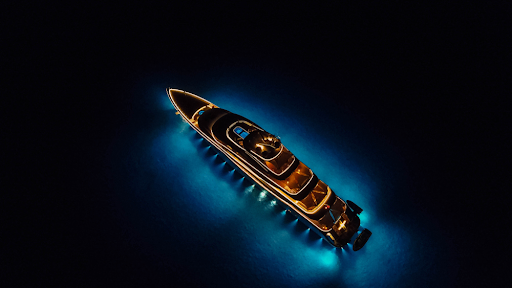
For boaters who travel or fish at night or want to add style to their vessel, choose underwater boat lights. They can be mounted on the hull’s surface or inside a recessed area in the hull. The LED versions are energy-efficient and created with optimum light output, based on weather-proof shells, and are super durable. These come in various specifications depending on the application and the condition of the water in your area.
Underdeck Lighting
Deck and underdeck lighting is made for illumination and should not be lit when you’re navigating your vessel. They can be accent lights or functional, and there are a wide variety of underdeck systems to choose from. When you opt to make this lighting LED, you reduce your boat’s overall power output.
LED Auxiliary Lights
These would be considered floodlights or spreader lights and are specifically made to resist corrosion. When mounted on the front of the boat, auxiliary lights provide better guidance in dark areas. Spreader lights expand the radius of light around your boat for better fishing. LED lighting can offer maximum illumination for safety, too.
Light Bars and Search Lights
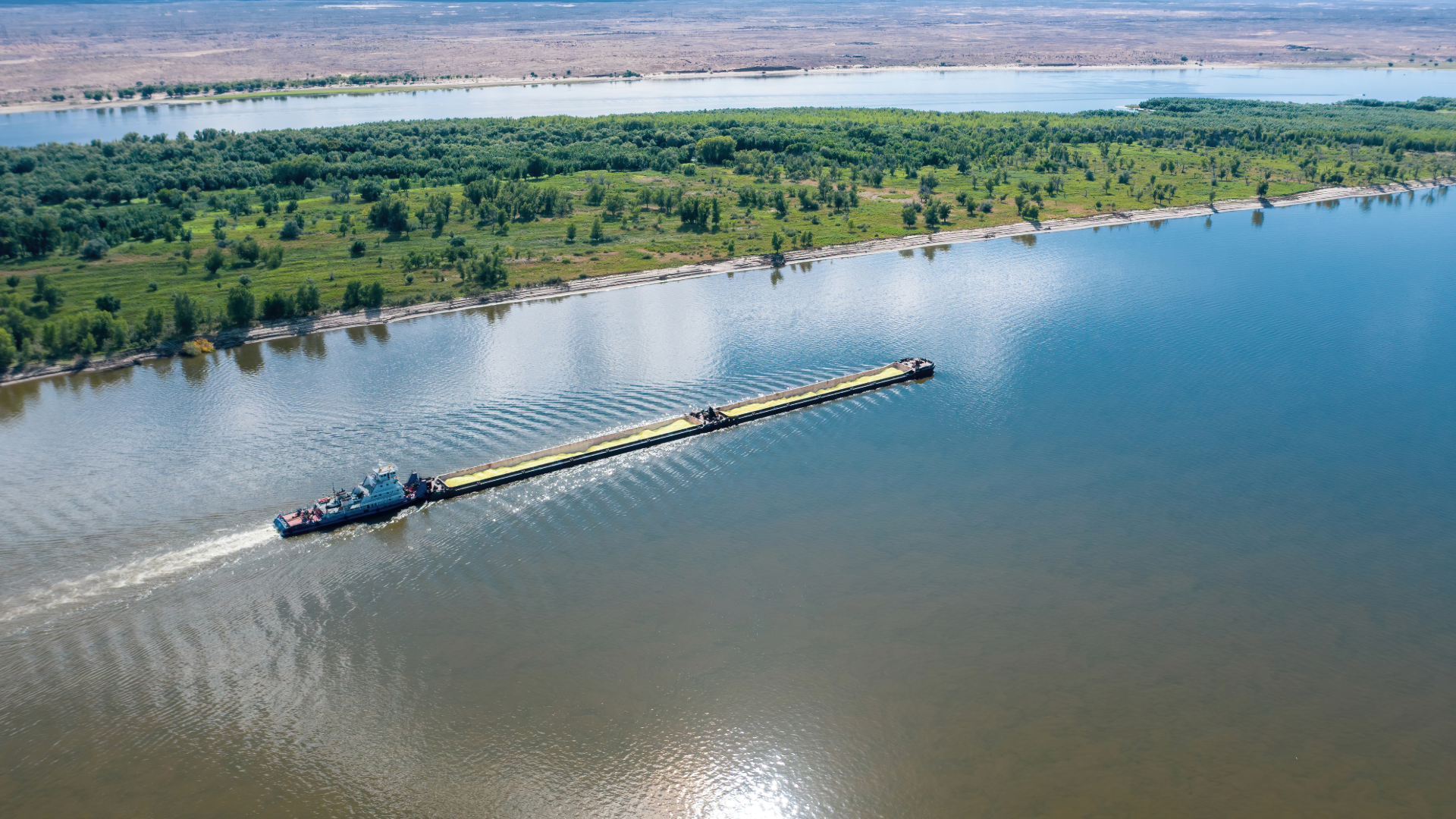
Mounted on the top of your vessel, these LED lighting options are ideal for vessels intended explicitly for search and rescue purposes. They offer an extended range of bright light and can swivel 360 degrees. These marine lighting options are also ideal for commercial applications on barges that travel with inventory along the inland waterways.
LED Navigational Lighting
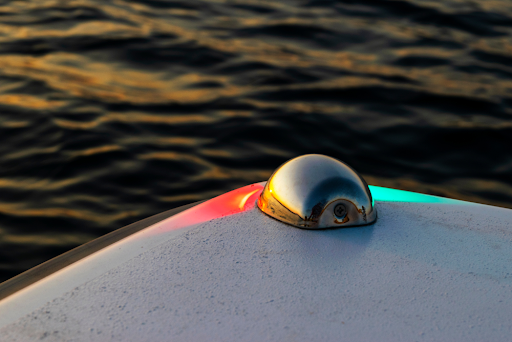
Like any other form of transportation, lighting systems are the key to safely traveling at night or in limited-light environments. These lights are also set up on vessels in a recognizable pattern: a green light on the starboard side, a red light on the port side, and a white light at the vessel’s stern. The masthead also needs two spotlights. These lights are explicitly arranged to identify the type of vessel listed in COLREGS.
Work With Marine Lighting Professionals
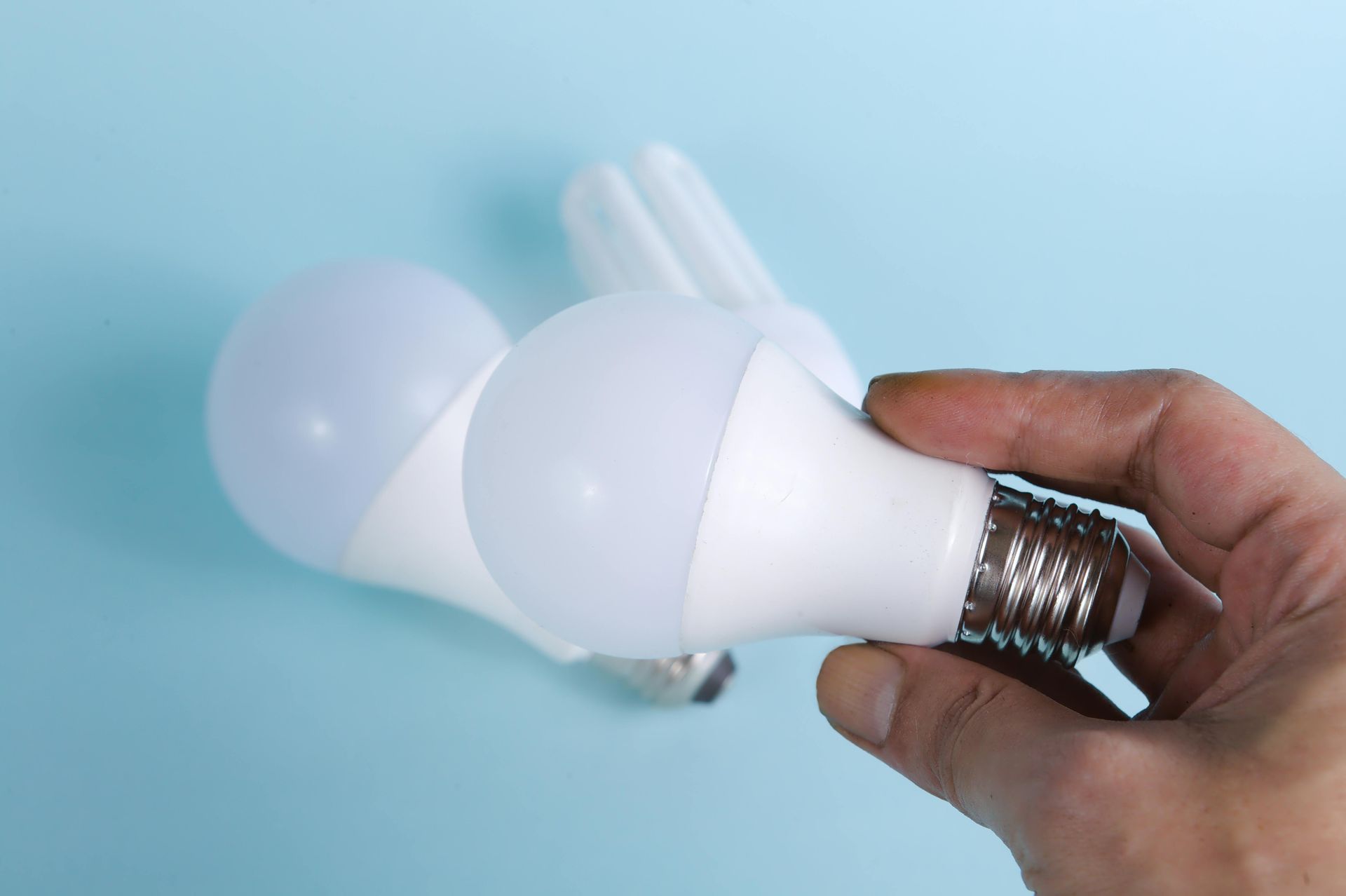
Ultimately, remember that not all LED lighting is created equal, and it may be tempting to go with the cheapest option. Lower quality LED lighting and fixtures have a shorter lifespan and are far less energy efficient. On the other hand, buying high-quality lighting can offer peace of mind knowing that it will withstand the test of time and keep operators safe without the lighting malfunctioning unexpectedly before the stated lifetime claims.
Reach out to our team of marine lighting experts to better understand your marine lighting options, especially if you’re interested in upgrading to LED lighting. Whether you’re working on a new exterior marine lighting project or retrofitting a current layout, we are committed to delivering a high-quality product along with prompt, friendly, and professional customer service.
The post A Guide to Marine Lighting Options appeared first on Archway Marine.