What to Know About Specialty Marine LED Lighting
Up and down waterways across the world, some docks and facilities help house and transport hazardous and industrial materials. The lighting around these areas needs to be a thoughtful consideration. Specialty marine LED lighting products and fixtures are made specifically for hazardous and industrial docks, barges, and facilities.
Hazardous location lighting is an explosion-proof light or fixture placed in a location where a fire could start after hazardous materials come into contact with lighting fixtures. These materials can be flammable, combustible, or ignitable and could be fibers, gasses, dust, or vapors. Electrical equipment could also create a fire risk in certain situations, especially when the lighting is used in a marine application.
Some examples of hazardous locations are obvious — think marine facilities that process chemicals or gasses that travel along the waterways. These locations emit harmful gasses and handle chemicals that could quickly become a fire risk with the wrong lighting in place. The National Fire Protection Association (NFPA) and the Occupational Safety and Hazard Administration (OSHA) have established industry standards and codes to regulate hazardous locations.
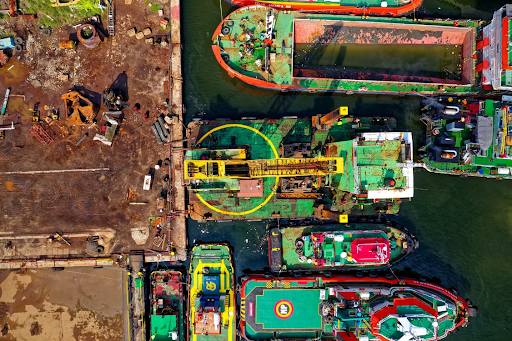
Several classifications define hazardous areas along docks and waterways. There are divisions, classes, and groups that have specific rules and regulations based on the use of the space. Understanding the differences helps lighting distributors offer specialty marine LED lighting options specifically for hazardous locations within buildings.
Explosion-proof LED light tubes are safety coated to contain virtually all glass and lamp particles if accidentally broken, significantly reducing the risk of a fire. The skin-tight plastic coating is guaranteed not to yellow, crack, or flake for the lamp’s rated life. LED lighting for hazardous locations is versatile, and manufacturers of explosion-proof LEDs offer a range of lighting fixtures that can be strategically placed throughout a facility or plant.
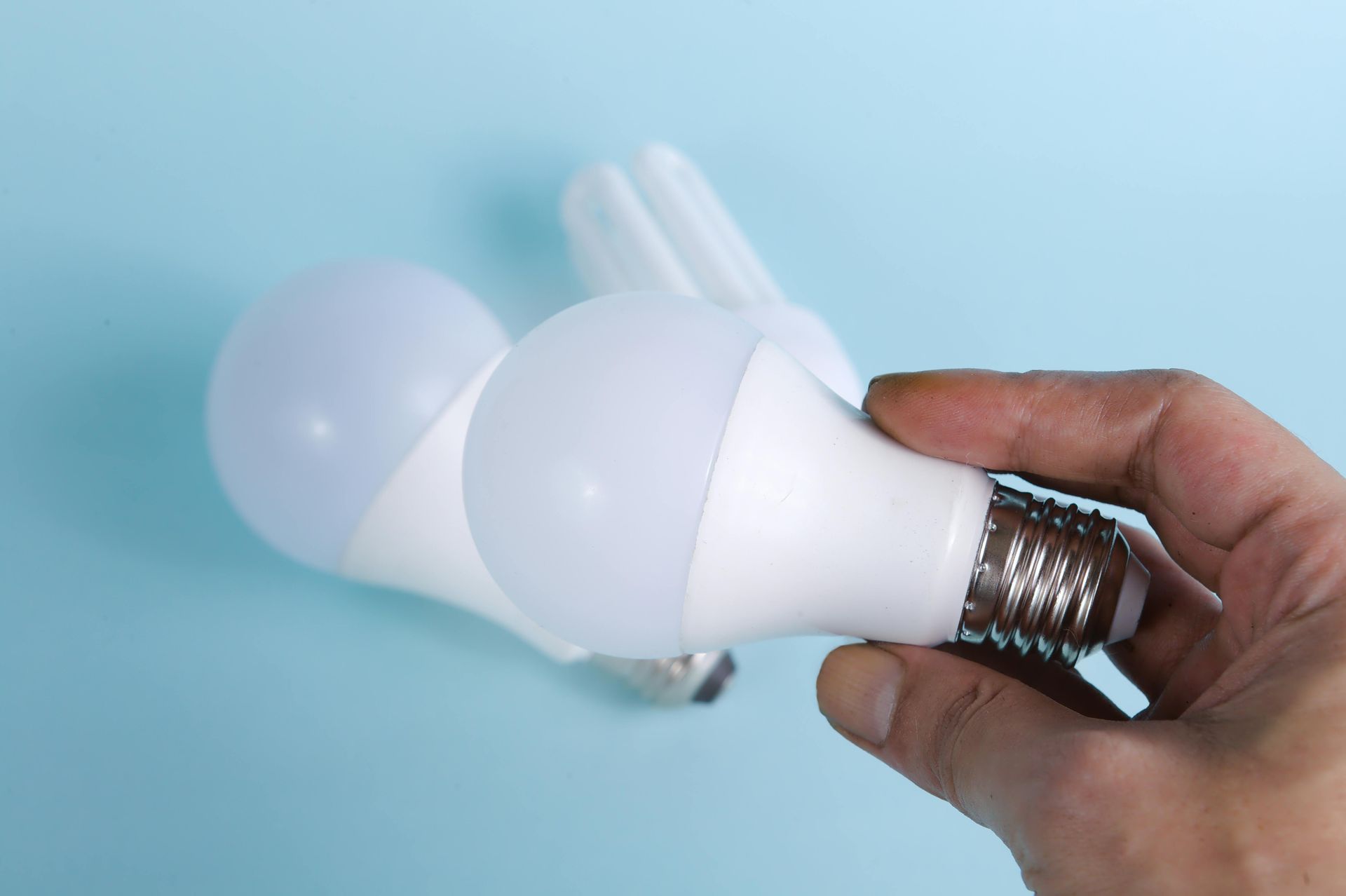
One of the most apparent benefits of LED lighting upgrades — especially for hazardous locations along the inland waterways— is the reduction of energy consumption. When traditional lighting is replaced with LED lighting at the same brightness, marine facilities can see savings that would pay for the LED investment over two or three years. LED lighting for hazardous locations is versatile as well, and their inherent designs allow them to be durable, explosion-proof, and even portable.
Work with our team of experienced marine lighting professionals to determine the classification of hazardous locations and which LED lighting choices are the best options. We have experience working with facilities just like yours, and we’ll follow the process from design to installation and beyond. Don’t take chances with your hazardous location lighting!
Ultimately, remember that not all LED lighting is created equal, and it may be tempting to go with the cheapest option. Lower quality LED lighting and fixtures have a shorter lifespan and can be less energy-efficient, especially in hazardous locations. On the other hand, buying high-quality lighting can offer peace of mind knowing that it will withstand the test of time and keep operators safe without the lighting malfunctioning unexpectedly before the stated lifetime claims.
Reach out to our team of marine lighting experts to better understand your hazardous location lighting options, especially if you’re interested in upgrading to LED lighting.
The post What to Know About Specialty Marine LED Lighting appeared first on Archway Marine.