How Inland Waterways Support the US Economy
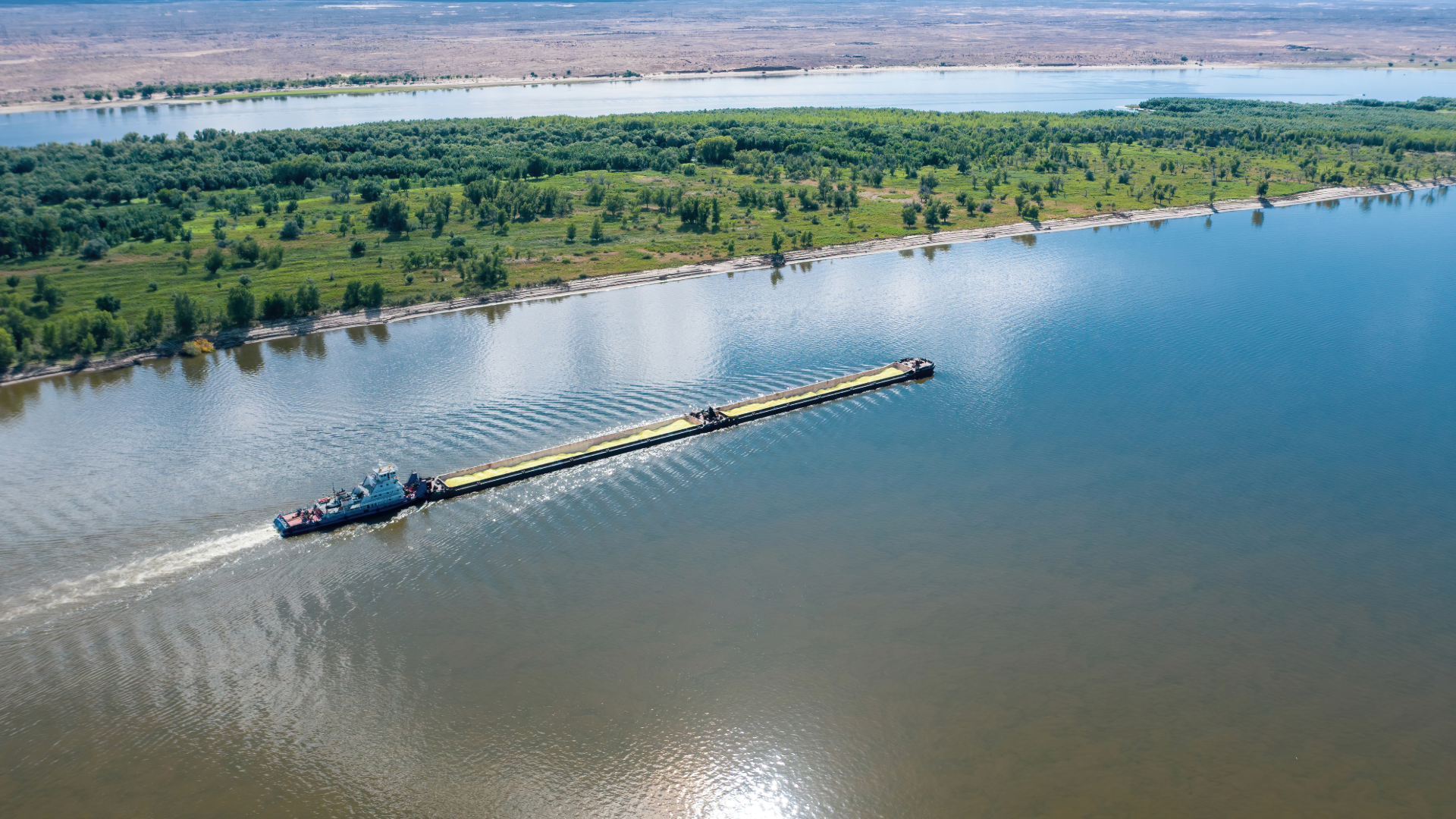
We see truckers and trains transporting goods across the country daily, but how often do we think about the barges on the inland waterways keeping the US economy moving? American inland waterways are a critical part of our infrastructure. They transport over 600 million tons of freight annually for importing and exporting, and their origins can be traced back over 400 years to the colonial period.
In ways that are apparent and not, barge transport and marine logistics shape the US economy and play a critical role in helping it grow. The inland waterways industry has experienced such exponential growth due mainly to this transportation method’s benefits. Without them, we would experience deteriorating roadways, decreased air quality, increased cost and consumption of energy, and the inability to compete in a global market.
The transportation of those 600 million tons of cargo equates to approximately $70 billion in revenue for the country’s economy. Barge transport strategies can lower shipping costs, allowing organizations (especially the agricultural industry) to be more competitive. Using inland waterways also reduces electricity costs and allows for the less expensive shipment of building materials to help the country grow and thrive.
Inland waterways consist of 12,000 miles of channels that commercial barges can navigate throughout 38 states. They connect industrial and agricultural hubs and offer clear pathways for companies large and small to optimize their import and export business to ports that facilitate international marine trade.
The industry supports over 300,000 jobs in and of itself. Still, countless other industries and workers depend on inland waterway transportation to be sustainable — like farmers, steelworkers, commercial construction professionals, port workers, and more. There are also those within the environmental protection and municipal infrastructure sectors that work hard to maintain waterways for those who work within them.
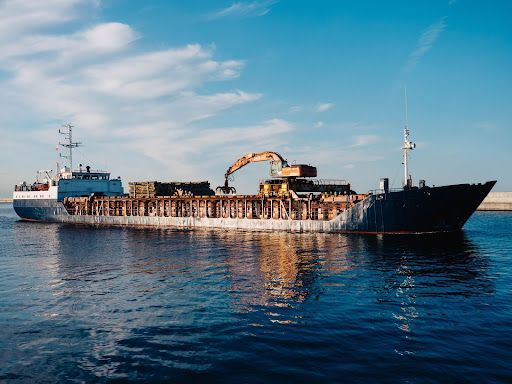
Industry products and services:
- Container transportation
- Towing and tugboat services
- Liquid bulk transportation
- Dry bulk transportation
- Passenger transportation
- Other transportation and value-added services
Industry Activities:
- Canal barge transportation
- Freight transportation on inland water
- Intercoastal transportation of freight
- Lake freight transportation
- Lighterage (i.e. freight transportation except for vessel supply services)
- River freight transportation
- Ship chartering with crew on inland waters
- Shipping freight on inland waters
- Towing services on inland waters
Imagine if the freight being shipped on the waterways was moved by rail or roadways. That would increase the quantity being hauled over dry land, doing near-immeasurable damage to highways and railways, and the cost of repairs would be astronomical. Barge transport mitigates the need for those repairs and offers relief from shipping across the land.

Fewer railcars and shipping trucks on the road also mean less fuel consumption, which means fewer emissions to impact the environment. Inland waterways also have minimal impact on the ecosystems around them, and strict guidelines keep natural microcosms healthy and intact.
If transportation on our inland waterways were to disappear, the country would lose over $1 trillion over the next ten years — which would cause a devastating ripple effect. If we work hard to maintain and improve the inland waterways infrastructure in the coming years, it could mean job growth in the hundreds of thousands and revenue growth in the trillions of dollars.
We are committed to helping industries and organizations improve inland waterway infrastructure, which is why we have been working hard to provide marine supplies for over 30 years. From marinas to ports of entry, we are committed to helping our customers find new and innovative ways to optimize their marine transportation — get in touch with our team of experts today!
The post How Inland Waterways Support the US Economy appeared first on Archway Marine.