How the Inland Marine Industry Affects the Supply Chain
In the last three years, many people have paid extra attention to the supply chain both in the U.S. and globally. With economic effects derived from the COVID-19 pandemic coupled with the rise of e-commerce sales, supply chains have seen rapid changes. In this blog post, we will explore the significance of the inland marine industry in the supply chain and how it impacts various aspects of logistics and e-commerce.
Understanding the Inland Marine Industry
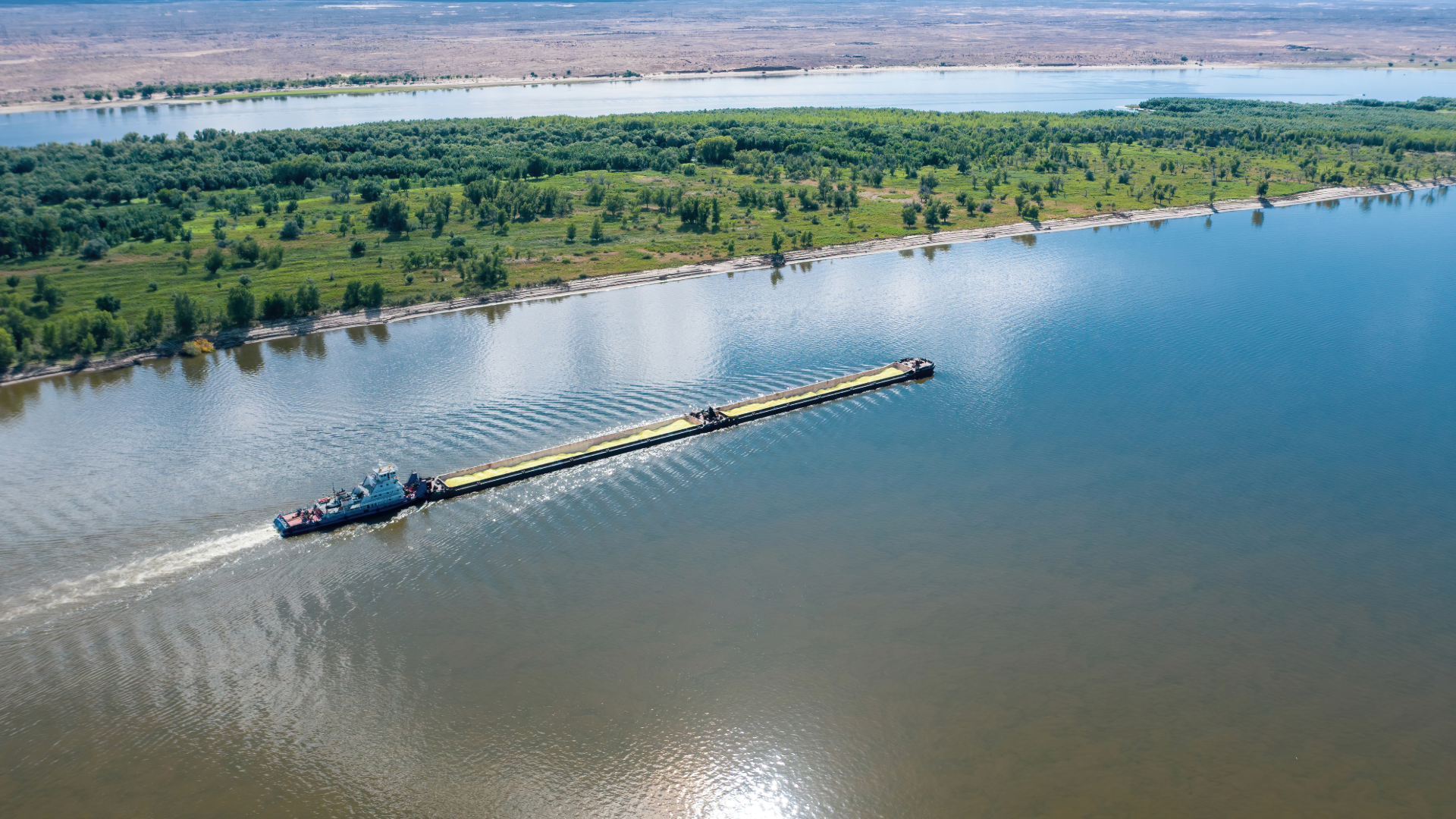
The inland marine industry encompasses transporting goods and materials through waterways and U.S. rivers. Vessels, such as barges and towboats, serve as the primary means of transportation. Shipping containers are used to secure and transport a wide range of products. Our team at Archway Marine Lighting provides running lights, portable lights, exterior lights, sockets, and other accessories essential for vessel operations.
The Importance of the Inland Marine Industry in the Supply Chain
The supply chain comprises various stages: production, distribution, and delivery. Inland marine transportation plays a critical role in connecting these stages. Using waterways allows goods to be transported efficiently and cost-effectively, reducing the strain on congested roadways and rail systems. Using inland waterways also contributes to environmental sustainability , as it produces fewer emissions than other transportation modes.
The Significance of Waterways and U.S. Rivers
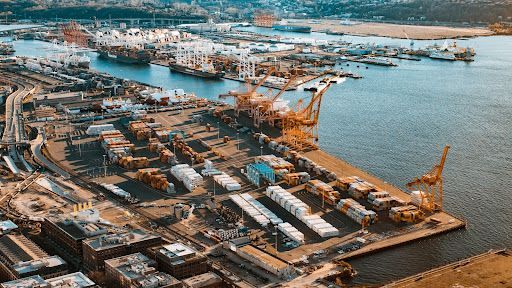
The United States is blessed with an extensive network of waterways and rivers, such as the Mississippi, Ohio, and Tennessee rivers. These natural resources serve as crucial arteries for the inland marine industry. Waterways offer advantages such as lower transportation costs, reduced congestion, and the ability to reach areas inaccessible by other means. However, operating within waterway systems requires adherence to regulations and guidelines to ensure safety and environmental protection.
Looking Ahead: Supply Chain Trends
The supply chain industry is poised for significant transformations in the next decade, driven by technological advancements, shifting consumer preferences, and changing global dynamics. Key trends that will shape the future of the industry include automation and artificial intelligence (AI), blockchain technology for enhanced transparency, sustainability and green initiatives, agile and resilient supply chains, customer-centricity and personalization, last-mile delivery innovations, supply chain collaboration and partnerships, and the digitalization of processes with a focus on data analytics.
Automation and AI technologies will optimize operations, reduce costs, and improve decision-making capabilities. Blockchain will enhance transparency and traceability across the supply chain, ensuring product authenticity and compliance. Sustainability will become a core focus, driving eco-friendly practices, circular economy principles, and renewable energy sources.
Agility and resilience will be prioritized to mitigate disruptions, while personalization and customer-centric approaches will deliver tailored experiences. Innovations in last-mile delivery will leverage drones, autonomous vehicles, and crowd-shipping models. Collaboration among supply chain stakeholders will be essential, enabling faster response times and improved performance. Digitalization and data analytics will provide end-to-end visibility and real-time insights.
These trends will revolutionize supply chain management, enabling organizations to adapt, improve sustainability, meet customer expectations, and make data-driven decisions. The future supply chain will be characterized by efficiency, transparency, agility, and customer-centricity.

Connect with Archway Marine Lighting
The inland marine industry is a crucial supply chain component, connecting various production, distribution, and delivery stages. Waterways and U.S. rivers provide an efficient and environmentally friendly mode of transportation. For all your inland marine and vessel questions, Archway has you covered. Check out our products, and get in touch today!
The post How the Inland Marine Industry Affects the Supply Chain appeared first on Archway Marine.