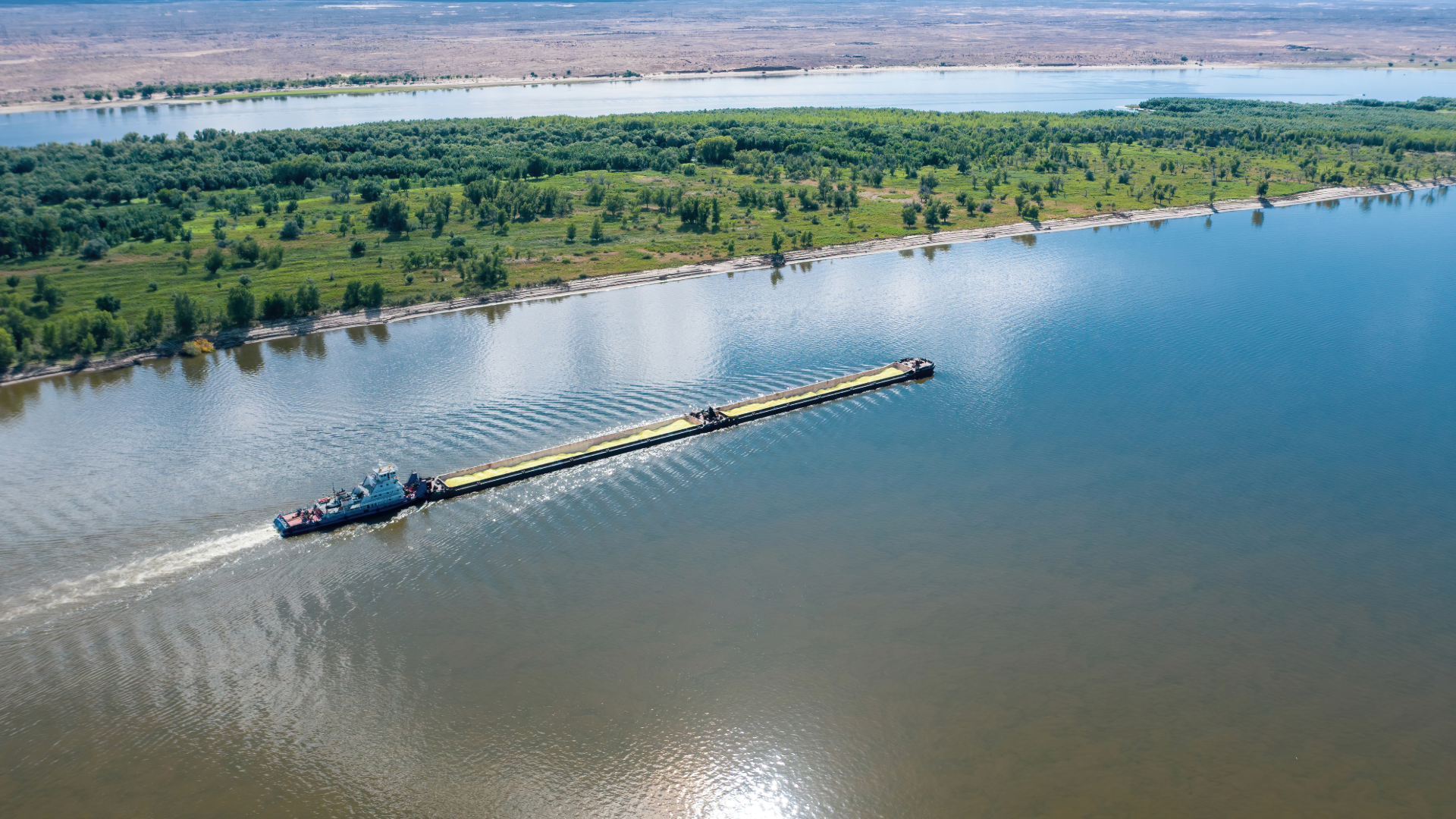
A Guide to Cargo Storage on Inland Marine Vessels
Transporting cargo on vessels requires proper planning and execution to ensure it is safely stored and brought to its destination. Cargo storage on vessels can be a complex process, especially for vessels that travel through inland marine waterways throughout the United States. This blog post will discuss the best practices for storing cargo on vessels that travel through inland marine waterways.
Safety in Barge Fleeting Areas
When storing cargo on vessels, safety should always be the number one priority. Barge fleeting areas can be hazardous due to the close proximity of vessels and the cargo being stored in a confined space. Maintaining a safe distance from other vessels and following all barge fleeting area regulations is essential. All crew members should be adequately trained in safety procedures and wear appropriate personal protective equipment (PPE).
Using Stacking Cones
Stacking cones are a valuable tool for organizing and securing cargo on vessels. These cones are designed to be placed on top of cargo stacks to prevent shifting and to distribute weight evenly. When using stacking cones, it is essential to ensure they are the appropriate size and weight for storing cargo. Improperly sized cones can cause damage to cargo or even result in a collapse of the stack.

Using Container Castings
Container castings are another helpful tool for securing cargo on vessels. These castings are designed to be attached to the corner fittings of containers to provide a secure connection between the container and the vessel. When using container castings, it is crucial to ensure that they are properly rated for the weight of the cargo being transported. Additionally, the crew should inspect all castings for damage or wear before use.
Lashing Arrangements
Lashing arrangements are critical for ensuring that cargo is properly secured during transport. These arrangements involve using chains, cables, or straps to hold the shipments in place and prevent shifting. When creating lashing arrangements, it is vital to consider the weight and size of the cargo being transported. Heavier loads should be placed under lighter loads to ensure stability. Additionally, all lashings should be tensioned appropriately and inspected before transport.
Vessel Operator’s Responsibilities
The vessel operator is ultimately responsible for ensuring all cargo is properly secured during transport. Their responsibilities include ensuring that all crew members are trained correctly in secure loading procedures and that all equipment is properly maintained and inspected. The vessel operator should also ensure that all cargo is safely distributed to prevent overloading or uneven weight distribution.
Creating a Cargo Loading Manual
Creating a cargo loading manual can help ensure all crew members know secure loading procedures. This manual should include information on stacking cones, container castings, lashing arrangements, and safe loading practices. Additionally, the manual should include information on barge fleeting area regulations and safe navigation practices.
Safe Navigation
Safe navigation is critical for ensuring that cargo is safely transported to its destination. Responsible navigation includes following all navigation regulations and guidelines, including speed limits and vessel traffic rules. Additionally, all crew members should be well-versed in navigation procedures and aware of potential hazards, such as shallow water or low bridges.
In conclusion, cargo storage on vessels that travel through inland marine waterways requires proper planning and execution to ensure that cargo is safely transported to its destination. Serious accidents can happen when the crew and anyone involved with the vessel don’t take these loading precautions. Cargo can spill overboard, the crew can be in danger, and equipment and the vessel can get damaged. Depending on the waterway, the U.S. Coast Guard may even get involved to investigate the incident. So for the safety of all involved, best practices for loading cargo are essential.

Work With Archway Marine Lighting
Practicing safe cargo storage translates to increased productivity of your vessels. The inland marine industry is essential to many areas, so it is important to have the right equipment and team to consult with. Archway Marine Lighting has been in the industry for 30 years. Check out our catalog, and let’s connect today!
The post A Guide to Cargo Storage on Inland Marine Vessels appeared first on Archway Marine.