Inland Marine Waterways and Conservation
Inland marine waterways are vital lifelines for commercial boaters and the wildlife that call these ecosystems home. They and anyone using our rivers recreationally should understand the significance of these waterways and their role in supporting a thriving ecosystem. As a provider of marine lighting products and safety gear, Archway is committed to promoting conservation efforts that preserve the health of US rivers, protect wildlife habitats, and ensure a sustainable future for boaters. Let’s examine the importance of conservation efforts for our US Rivers.
The Importance of Inland Marine Waterways
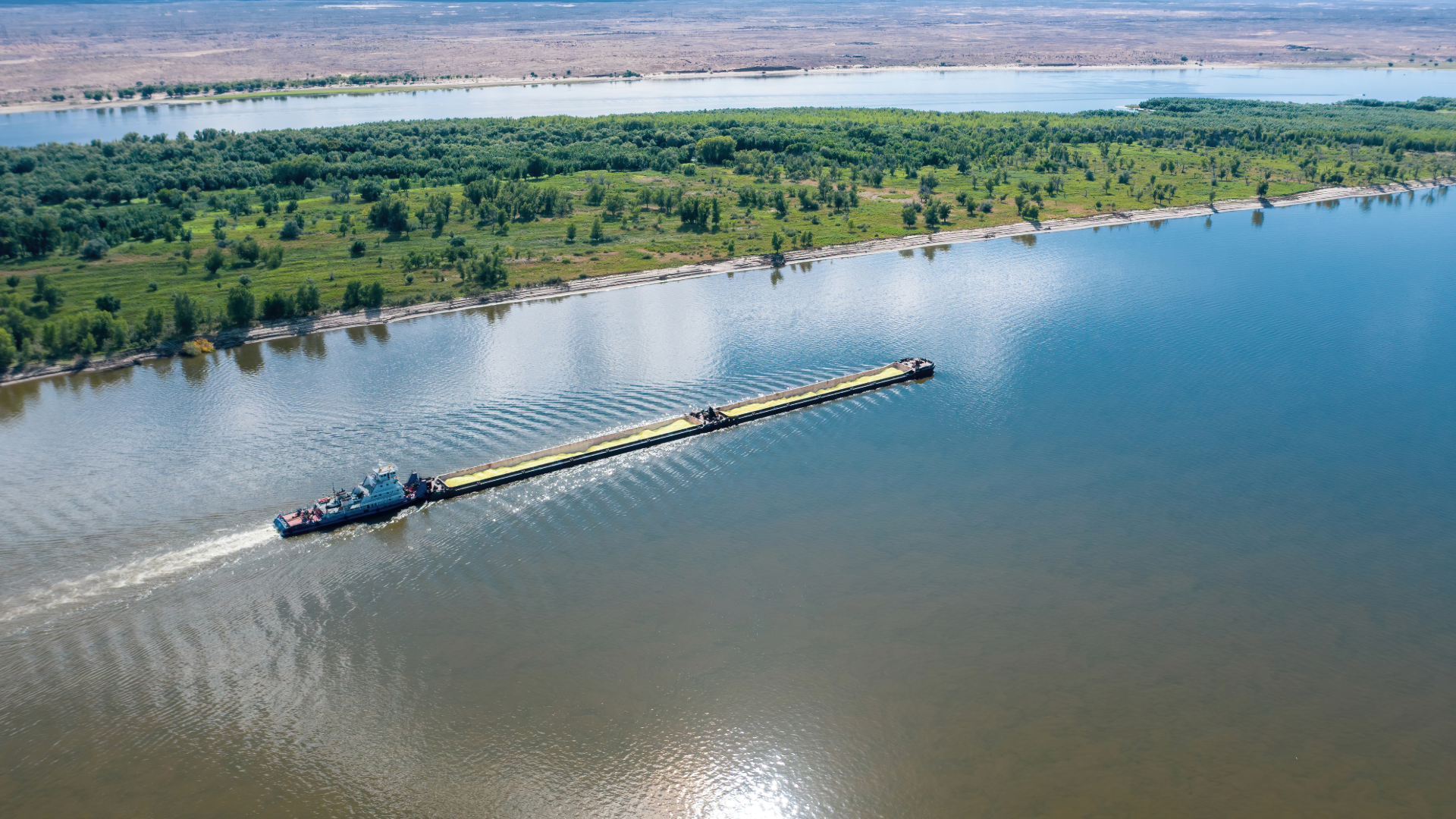
The United States boasts an extensive network of rivers, with over 25,000 miles of navigable waterways. These rivers, such as the Mississippi, Ohio, and Missouri, are pivotal in transporting goods via barges, supporting the nation’s economy. Inland waterways serve as crucial transportation routes, enabling businesses to move large quantities of goods across the country efficiently. The commercial boating industry heavily relies on these waterways, making them essential for economic growth and prosperity.
Conservation and River Health
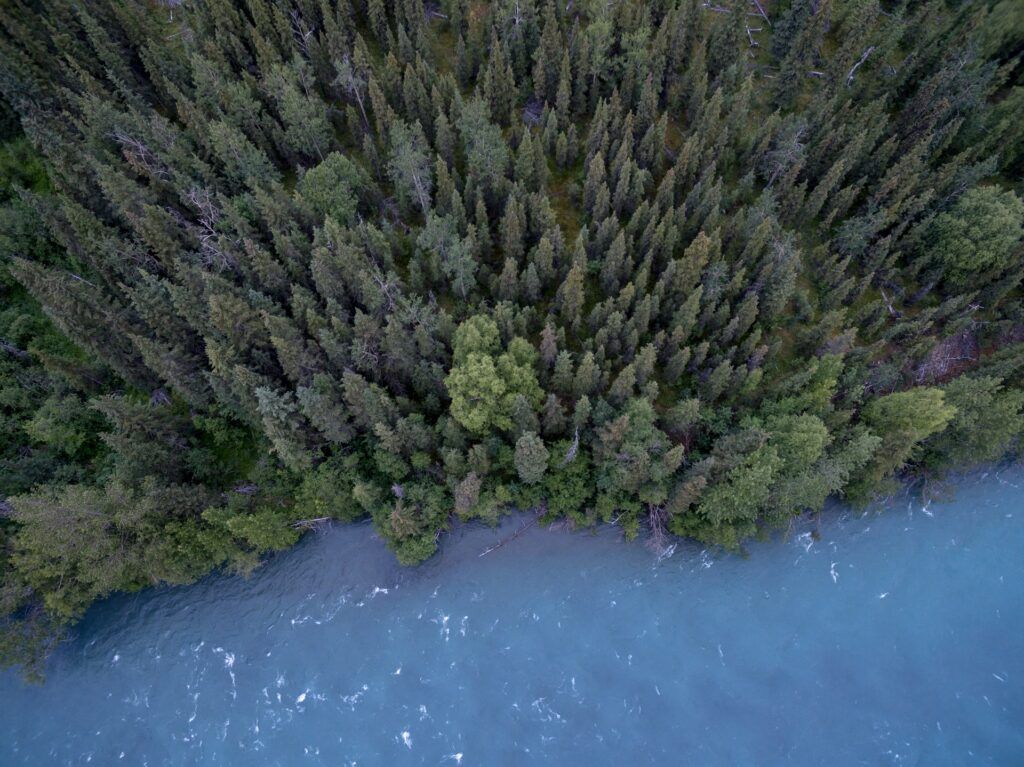
Conservation efforts are crucial to maintaining the health of inland marine waterways. River health encompasses the ecological balance necessary for supporting diverse wildlife populations and maintaining the integrity of the ecosystem. By safeguarding river health, we ensure countless species’ survival and preserve their habitats.
Neglecting river health can have severe consequences for wildlife populations. Chemical and plastic pollution poses a significant threat to the delicate balance of these ecosystems. Contaminants can poison fish and other aquatic organisms, disrupt the food chain, and harm the overall biodiversity of the river system.
Threats to River Health
In addition to pollution, dredging activities pose challenges to river ecosystems. While necessary to maintain navigability for barges, it can disturb the riverbed, alter water flow patterns, and disrupt habitats. It is crucial to balance the need for dredging with mitigating measures to minimize the impact on river health.
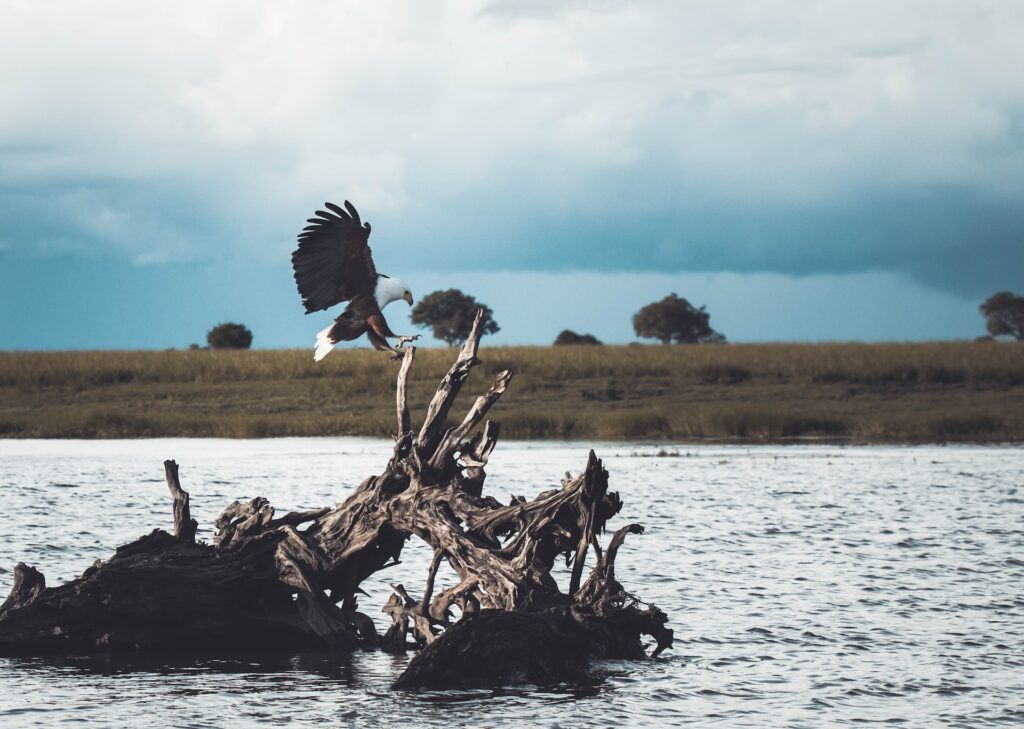
The introduction of invasive species is another threat to inland marine waterways. These non-native species can outcompete native wildlife, disrupt ecosystems, and cause irreversible damage. Preventing the spread of invasive species through educational campaigns and strict monitoring is essential for preserving the natural balance of our rivers.
Promoting River Health and Wildlife Conservation
Boaters can play a significant role in promoting river health and wildlife conservation. They can minimize their impact on these delicate ecosystems by practicing responsible boating habits. Simple steps like properly disposing of waste, using eco-friendly cleaning products, and reducing noise pollution can go a long way in preserving river health.
Supporting organizations and initiatives dedicated to river conservation is another effective way to make a positive impact. By donating to or volunteering with these organizations, boaters and individuals can contribute to research, restoration projects, and educational programs that promote the conservation of inland marine waterways.
Recreational Responsibilities
In addition to commercial boaters, recreational users of rivers also play a vital role in supporting conservation efforts and maintaining the health of inland marine waterways. Whether kayaking, fishing, or simply enjoying a scenic boat ride, individuals engaging in recreational river activities can contribute to preserving these ecosystems. By practicing Leave No Trace principles, such as properly disposing of waste, minimizing noise pollution, and avoiding damage to riverbanks and vegetation, recreational users can ensure their activities have minimal impact on the delicate balance of the river.
Furthermore, spreading awareness about the importance of river conservation among fellow river enthusiasts and participating in community clean-up initiatives can foster a culture of environmental stewardship, creating a collective effort to protect and sustain the natural beauty of our inland marine waterways.
Work With Archway Marine Lighting
Inland marine waterways are invaluable resources that support both commercial boaters and wildlife. Conservation efforts are crucial to ensure the health and longevity of these ecosystems. By practicing responsible boating habits, supporting conservation organizations, and utilizing eco-friendly products, we can preserve the integrity of our rivers, protect wildlife habitats, and secure a sustainable future for all who depend on these remarkable waterways.
The inland marine industry is essential to many areas, so it is vital to have the right equipment and team to consult with. At Archway Marine Lighting, we have been in the industry as a supplier for 30 years. Check out our catalog, and let’s connect today!
The post Inland Marine Waterways and Conservation appeared first on Archway Marine.