Exploring Inland Marine Wildlife

Leo Bye • September 17, 2024

Inland waters—rivers, lakes, ponds, and wetlands—host diverse marine organisms that have adapted to life away from the ocean. While “marine” often evokes images of sea creatures, many fascinating freshwater marine animals thrive in these environments.

This blog explores major inland marine wildlife you may (and probably have) encountered while navigating our inland waterways, including beavers, fish, turtles, and snakes. We’ll also explore their habitats, unique adaptations, and roles in their ecosystems.

Fish: The Aquatic Residents

The North American Bass

Bass species, such as the largemouth bass and smallmouth bass, thrive in many inland lakes and rivers. They are known for their aggressive feeding behavior and are favorites among anglers.

Bass prefer clear, slow-moving waters with abundant vegetation and structure, such as submerged logs and rocks, which provide cover and hunting grounds for their prey.

The Rainbow Trout

Native to the Pacific Northwest, rainbow trout inhabit cold, clear streams, rivers, and lakes. They are highly valued in recreational and commercial fishing and are known for their vibrant colors and challenging fights.

Rainbow trout excel in well-oxygenated, cold-water environments and are often introduced to various inland lakes and streams for sport fishing. Their diet mainly consists of insects, small fish, and crustaceans.

The Freshwater Eel

Freshwater eels, including the American eel ( Anguilla rostrata ), stand out for their elongated bodies and migratory habits. These eels inhabit rivers, lakes, and estuaries. Remarkably, they migrate from freshwater to the ocean to spawn before returning to freshwater habitats for most of their lives.

Eels are crucial as predators and scavengers, feeding on fish, invertebrates, and detritus.

The North American Catfish

Catfish are a highly adaptable species commonly found in various freshwater environments, including rivers, lakes, ponds, and brackish waters.

Channel catfish, blue catfish, and flathead catfish are among the most prevalent species in North America. They are easily recognizable by their whisker-like barbels around their mouths, which aid in locating food in murky waters.

Catfish are opportunistic feeders, consuming a wide range of food, including fish, insects, plants, and detritus. Known for their nocturnal behavior, they tend to be more active at night when they scavenge and hunt for prey.

Beavers: The Master Builders

Habitat and Adaptations

Beavers are semi-aquatic mammals renowned for their impressive dam-building skills. They inhabit rivers, streams, and lakes across North America and Eurasia.

By constructing complex lodges and dams from branches, mud, and reeds, beavers create calm, deep water areas crucial for survival. These structures offer protection from predators, facilitate access to their food supply, and help regulate water levels.


Turtles: The Aquatic Reptiles

The Painted Turtle

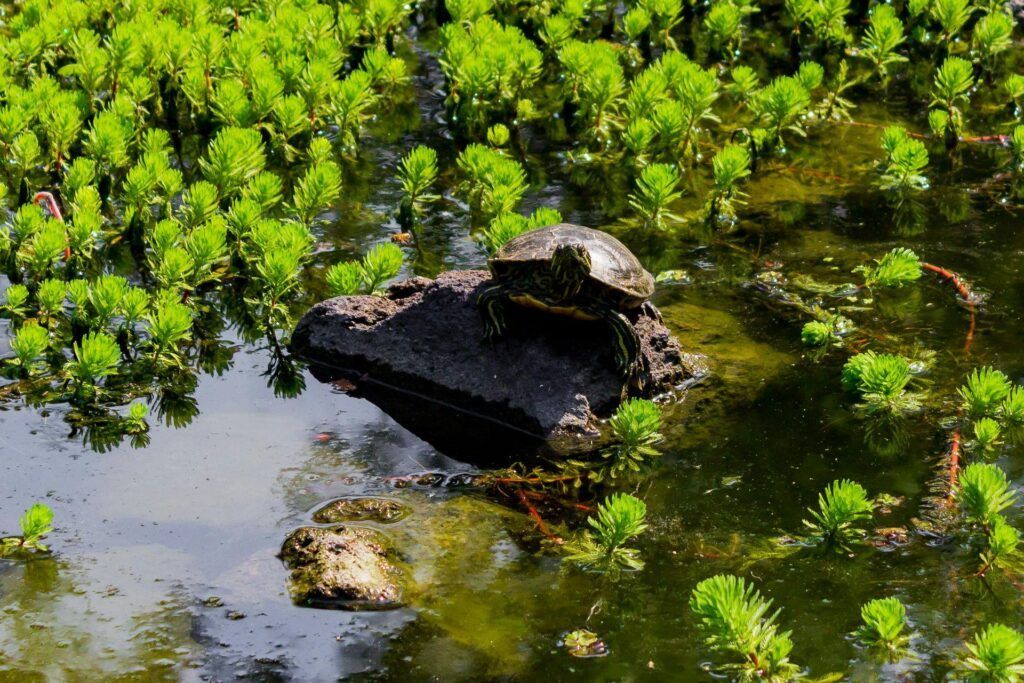
The Painted Turtle is one of North America’s most common freshwater turtles. It is found in ponds, marshes, and slow-moving rivers. Easily recognizable by its colorful markings, including red and yellow stripes, the Painted Turtle basks on logs and rocks to regulate its body temperature.

Painted Turtles are omnivores, feeding on aquatic plants, insects, and small fish.

The Softshell Turtle 

Softshell Turtles, distinguished by their flexible shells and long necks, inhabit rivers, lakes, and ponds. Adapted to an almost entirely aquatic lifestyle, these turtles are excellent swimmers. They primarily consume fish, amphibians, and invertebrates. The flexibility of their soft, leathery shells allows them to move swiftly through water.

Snakes: The Secretive Hunters

The Water Moccasin

Commonly known as the Cottonmouth, the Water Moccasin is a venomous snake found in swamps, marshes, and slow-moving streams in the southeastern United States.

Water moccasins are semi-aquatic by nature. They often bask on riverbanks or swim in the water. As ambush predators, they primarily feed on fish, amphibians, and small mammals.

The Garter Snake 

Garter Snakes are among the most widespread snakes in North America. They are found in various habitats, including wetlands, ponds, and riverbanks.

Non-venomous and adaptable, Garter Snakes feed on small fish, amphibians, and insects. Their ability to thrive in diverse environments underscores their resilience and versatility.


Work With Archway Marine Lighting

Inland waters are vibrant ecosystems teeming with life, from the industrious beavers that shape their environments to the diverse fish, turtles, and snakes that inhabit these freshwater habitats. Each species has developed unique adaptations that allow it to thrive in its specific environment, significantly contributing to the health and balance of its ecosystems.

Understanding and appreciating these inland marine creatures enhances our ability to protect and preserve the freshwater habitats they depend on, ensuring these remarkable species and critical waterways flourish for generations.

The inland marine industry is essential, so it is vital to have the right team to consult with. Archway Marine Lighting has been a supplier in the industry for 30 years. We offer a wide range of high-quality marine lighting solutions to meet all navigational lighting requirements.

Check out our catalog, and let’s  connect today!

The post Exploring Inland Marine Wildlife appeared first on Archway Marine.
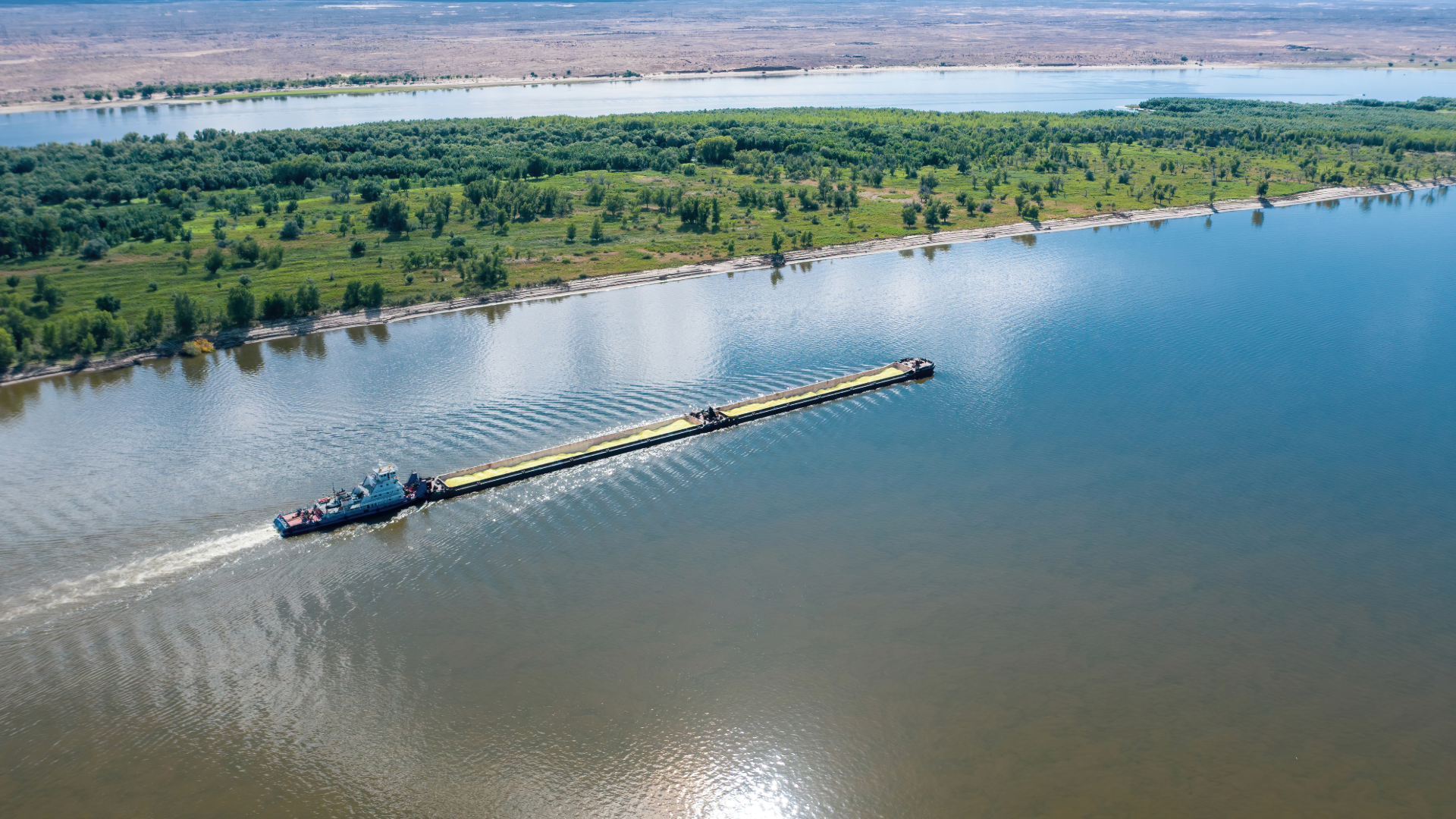
Barge in an inland waterway
April 11, 2026
Marine‑grade does not automatically mean durable, compliant, or right for your operation. It means a product is intended for marine environments, but the level of protection, construction quality, and real‑world performance can vary widely. If you assume marine‑grade guarantees long service life or regulatory compliance, you may end up with lighting that fails early, creates safety gaps, or causes avoidable downtime. Understanding what marine‑grade truly means helps you make smarter decisions before problems show up on the water. What Does "Marine‑Grade" Actually Mean? Marine‑grade means the product is designed to operate in wet, corrosive, high‑vibration environments. That is the baseline . It does not mean every marine‑grade product performs the same way or lasts the same amount of time. At its core, marine‑grade typically includes: Materials that resist corrosion from moisture and exposure Sealed housings to limit water intrusion Construction intended to handle vibration and movement Electrical components suited for marine power systems That definition is broad. Two products can both be labeled marine‑grade and perform very differently once installed on a working vessel. What Marine‑Grade Does Not Guarantee Marine‑grade does not guarantee long life, compliance, or suitability for your specific application. This is where many operators get caught off guard. Marine‑grade does not automatically mean: U.S. Coast Guard compliant Rated for continuous duty or long shifts Designed for inland river conditions Resistant to constant vibration and impact Properly sealed for washdowns or heavy rain Compatible with your vessel's electrical load A light can survive occasional exposure to water and still fail quickly when installed near engines, winches, or work areas that vibrate nonstop. Why Marine‑Grade Looks Different on Inland Vessels Marine‑grade products are often designed with a wide range of marine environments in mind. Inland operations create unique challenges that generic marine‑grade standards do not always address. On inland waterways, you deal with: Constant vibration from engines and tow operations Tight working areas with high impact risk Frequent night operations Mud, debris, and spray rather than open saltwater Long duty cycles with little downtime A fixture that performs fine on a recreational boat or marina dock may not hold up on a towboat or barge deck. Note: Marine-grade alone does not account for how hard inland vessels work.
A glowing, vintage-style light bulb hangs against a dark, minimalist wall.
March 11, 2026
Cheaper fixtures may look like the better option on paper, but over time, they quietly drive higher costs through failures, downtime, and repeated replacements.
Hand holding a white LED lightbulb next to two others, against a blue background.
February 11, 2026
Understanding why marine bulbs fail early on is the first step toward reducing downtime, improving safety, and extending the life of your lighting systems.