Common Challenges in Marine Lighting (And How to Overcome Them)
Operating in a marine environment brings unique lighting challenges. From the constant assault of salt water to the stress of high winds and vibration, commercial marine lighting faces harsh conditions daily.
Whether you manage a marina or operate commercial vessels, reliable lighting is critical. It’s not just about visibility but about safety, efficiency, and long-term cost savings.
Explore the most common challenges in marine lighting and practical solutions to overcome them.
Saltwater Exposure and Corrosion
The Challenge
Saltwater is one of the most corrosive elements your lighting system will encounter – it quickly eats away at metal fixtures, leading to rust, electrical issues, and complete failure. Without proper protection, your lights won’t last long. You’ll face frequent replacements, which are both costly and time-consuming.
The Solution
Combat corrosion by choosing lighting explicitly made for marine environments. Look for fixtures crafted from marine-grade stainless steel, anodized aluminum, or polycarbonate. These materials stand up to saltwater much better than standard metals.
Ensure the fixtures have an Ingress Protection (IP) rating of at least IP67; this shows that the lights are protected from dust and water intrusion.
Tinned marine-grade wiring is essential to prevent corrosion in electrical components. Combine that with waterproof connectors to keep moisture from creeping in.
Some modern lighting options also include anti-corrosion coatings, adding an extra layer of defense. With these measures, your lights can resist the worst of the sea’s effects.
High Winds and Extreme Weather
The Challenge
Marine environments are unpredictable . High winds, storms, and extreme temperatures can cause havoc. Poorly mounted or low-quality lights often can’t handle the stress of wind and bad weather. Fixtures may bend, break, or fail when you need them the most. Fluctuating temperatures can cause materials to expand and contract, leading to cracks or leaks.
The Solution
Durability is key in these conditions. You’ll want fixtures designed to handle mechanical stress and impact. Shock-resistant lighting systems work well in high-wind environments.
Secure mounts made from stainless steel or galvanized metals are crucial for external lighting, like those on vessels or marinas. They prevent the fixtures from being damaged or dislodged during strong winds.
LED lights are a smart choice for extreme temperatures. They operate efficiently across various conditions and won’t dim or overheat in hot or cold weather. Look for lights with UV-resistant coatings to protect them from long-term sun exposure.
With the proper setup, your lighting system will remain sturdy and functional, regardless of the weather.
Vibration and Impact
The Challenge
Commercial vessels often face constant engine, wave, or operational equipment vibration. Over time, this can damage lights that are not built for these high-stress conditions. Vibration can loosen connections, damage internal components, and eventually cause the lights to fail.
The Solution
Solve this by using lighting fixtures specifically designed to be vibration-resistant.
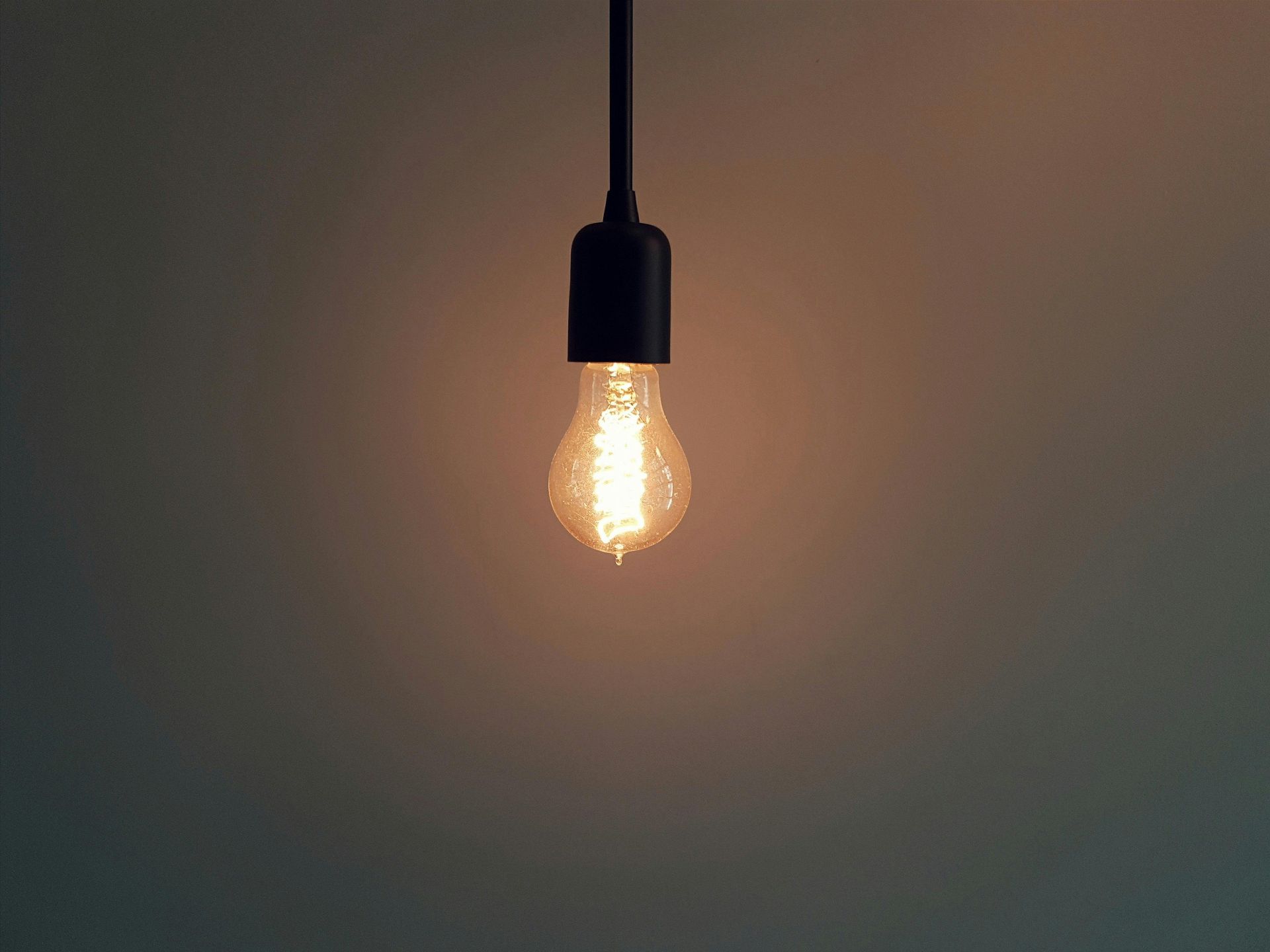
LED lights are a good fit for this environment since they don’t have fragile filaments like traditional incandescent bulbs. Their design makes them more durable and shock-resistant.
Pair the fixtures with high-quality, shock-absorbing mounts to reduce further wear and tear.
Securely mounting the lights minimizes the chance of damage from vibration and movement, ensuring that your lighting system lasts longer, even in the harshest working conditions.
Water Ingress and Humidity
The Challenge
Water, in all its forms, is always present in marine environments. Splashes, high humidity, or rain can easily seep into lights, causing shorts and internal corrosion, leading to rapid deterioration of the lights and their electrical components.
The Solution
Pay a primary focus on sealing. Choose fixtures with a high IP rating, preferably IP67 or IP68, to ensure they are waterproof.
IP68-rated lights are even submersible so that water won’t harm them. Rubber gaskets and seals around the light fixtures are crucial to block out water and moisture.
Use lights that resist condensation buildup in enclosed spaces prone to humidity, like engine rooms. Proper ventilation in these areas can also help prevent moisture from collecting inside the fixtures.
With these steps, you’ll prevent water ingress and ensure your vessel’s lighting remains reliable.
Electrical Safety and Power Efficiency
The Challenge
Marine environments often face power fluctuations, especially on vessels with inconsistent power sources. These fluctuations can cause lights to overheat, fail prematurely, or start electrical fires in the worst cases.
The Solution
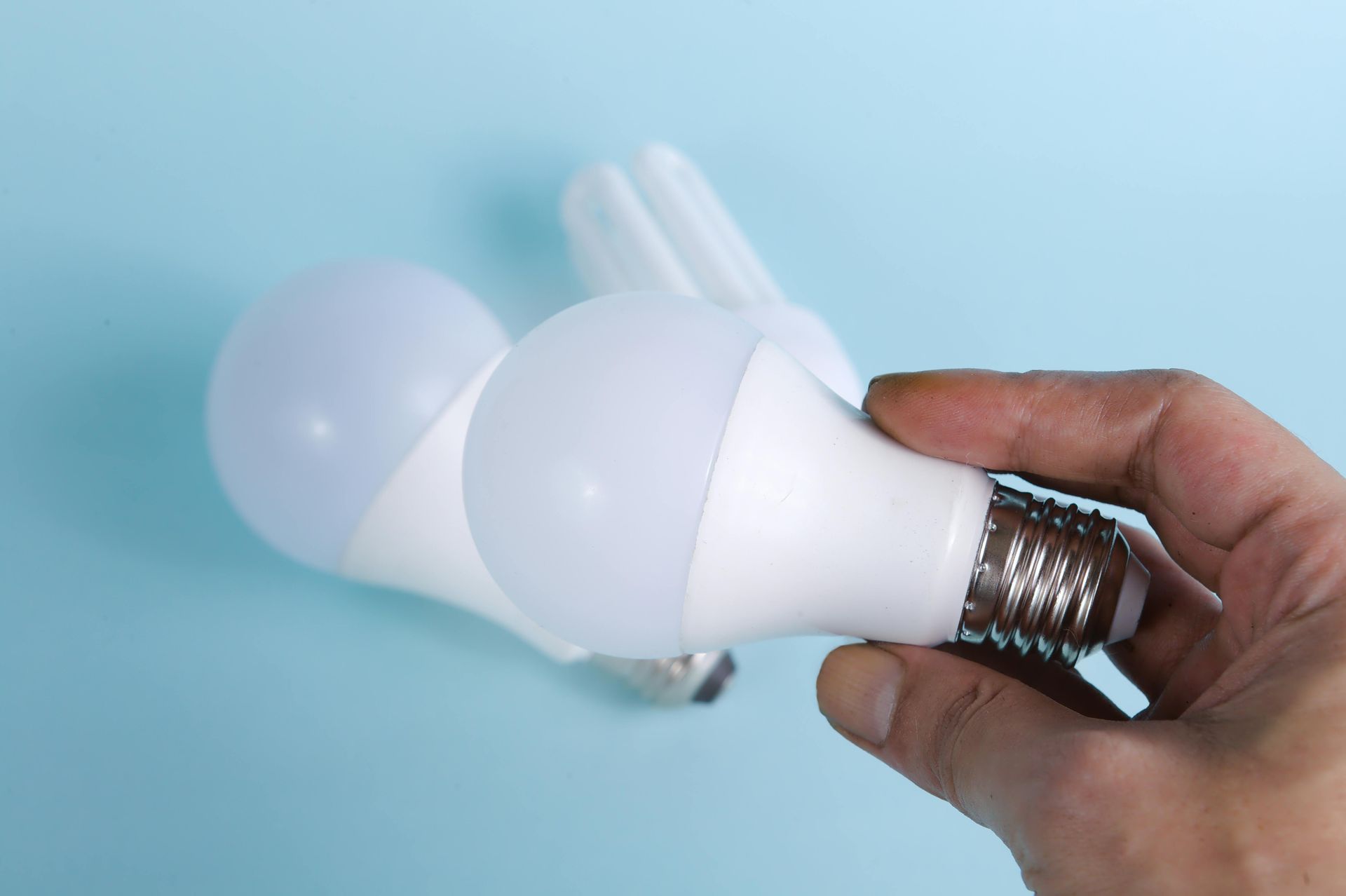
LED lights offer a reliable solution here. They operate on low voltage, reducing the load on your electrical system and making them both efficient and safe, even when the power supply varies.
To protect your system further, consider using voltage regulators and surge protectors. These devices smooth out power fluctuations, extending the lifespan of your lights.
Work With Archway Marine Lighting
Marine lighting faces unique challenges that demand robust solutions. From the corrosive nature of saltwater to the constant vibrations and extreme weather, your lighting systems need to be durable and designed for the job.
Investing in marine-grade materials, ensuring proper sealing, and opting for reliable, energy-efficient solutions like LED lighting can significantly improve your lights’ performance and longevity.
The inland marine industry is essential, so it is vital to have the right team to consult with. Archway Marine Lighting has been a supplier in the industry for 30 years. We offer a wide range of high-quality marine lighting solutions to meet all navigational lighting requirements.
Check out our catalog, and let’s connect today!
The post Common Challenges in Marine Lighting (And How to Overcome Them) appeared first on Archway Marine.