The Essential Guide to Dock Lighting: Why It Matters
Lighting is often overlooked when operating or navigating a commercial pier’s layout and safety features, taking a backseat to more prominent aspects like dock space and service facilities. However, proper lighting is not merely a matter of aesthetics—it’s a critical component of safety, security, and operational efficiency.
This guide explores why lighting is essential for a commercial pier, its benefits, and some options to ensure it is well-lit.
Enhancing Safety
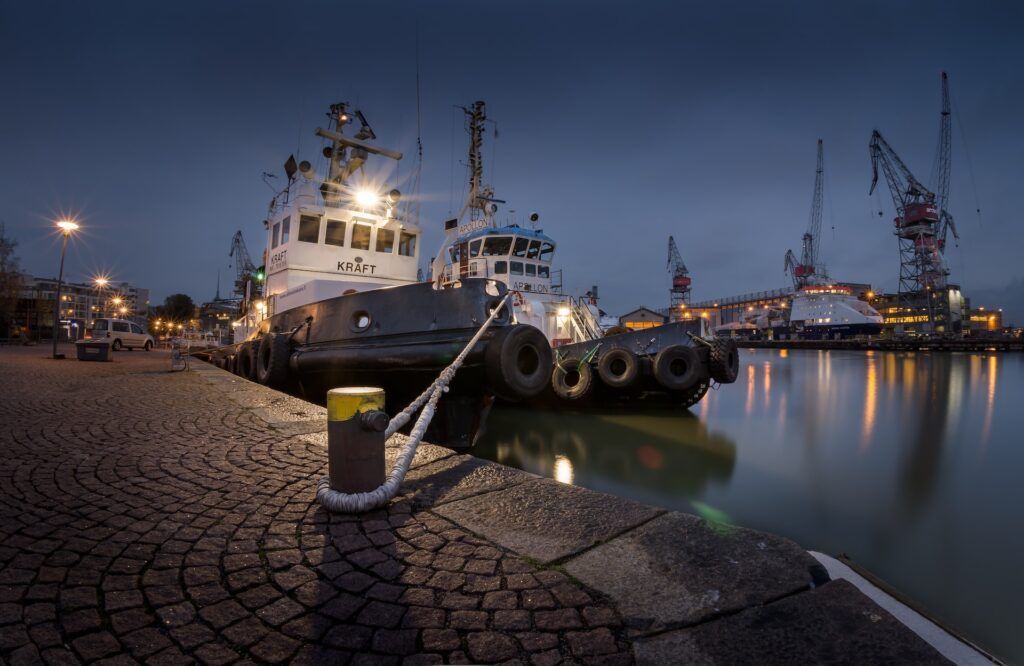
The primary reason for installing adequate lighting is to enhance safety. Piers are busy environments, often bustling with activity during early mornings, late evenings, and nighttime hours. Without sufficient lighting, navigating becomes hazardous. Poorly lit areas can conceal obstacles, making trips, falls, and other accidents more likely. Adequate lighting ensures vessels, crewmembers, and visitors can see their surroundings, reducing the risk of mishaps on the docks and walkways.
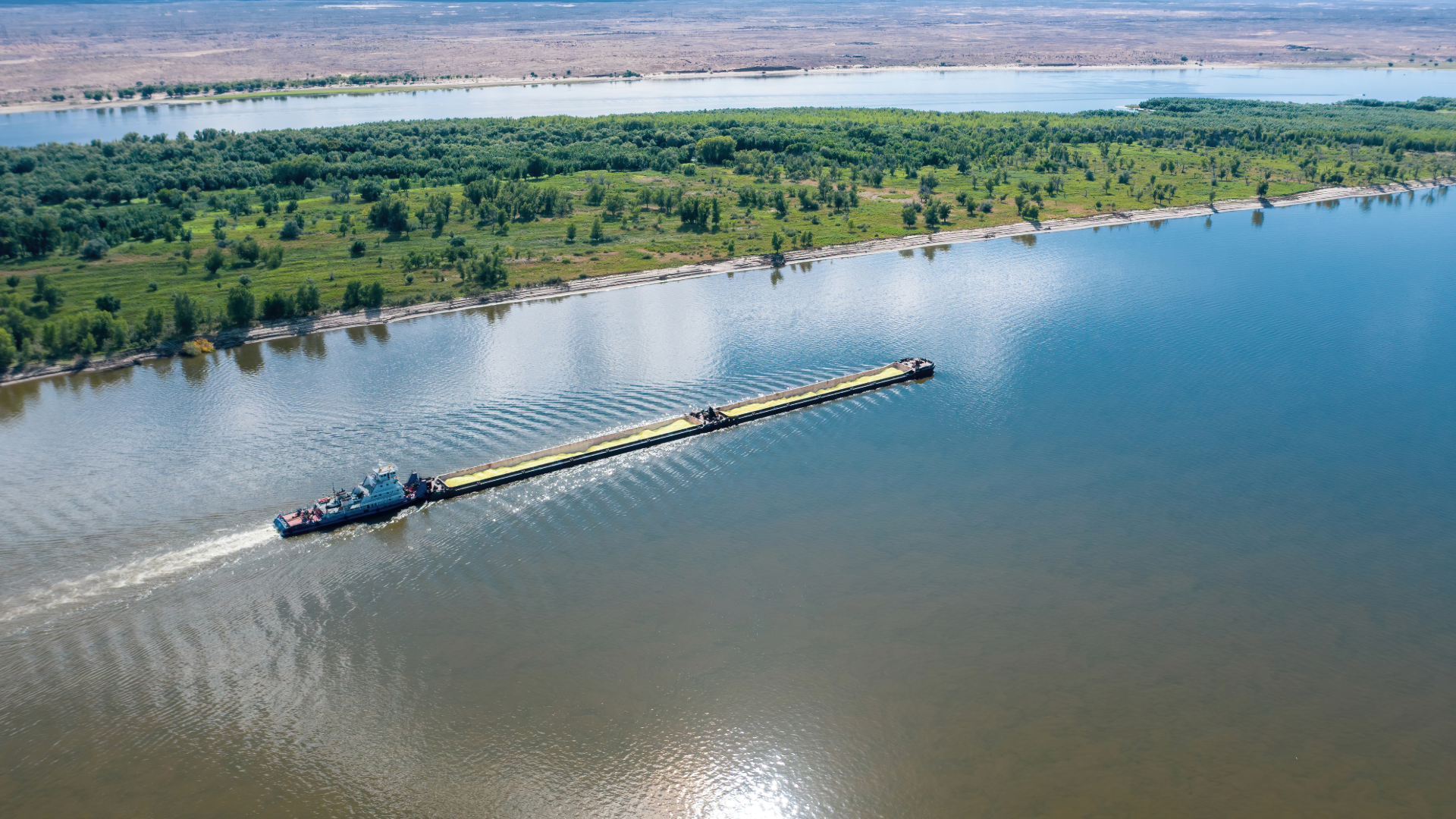
Proper lighting is crucial for safe docking and boarding for pier operators catering to nighttime navigation or those arriving early in the morning. Lights along the dock make it easier to navigate from boat to shore, clearly defining the edges of the pier and preventing accidental slips into the water. Additionally, well-placed lights can help guide barges into slips, minimizing the risk of collisions and ensuring smooth operations.
Improving Security
A well-lit pier deters potential thieves and vandals. Criminals are less likely to target a well-illuminated area and have a higher chance of being seen and apprehended. Adequate lighting throughout the pier enhances security by making it easier to monitor the location and spot any suspicious activity from a distance.
Security lighting is essential for piers that house high-value barges and equipment. Proper illumination reduces the risk of theft and vandalism, protecting valuable assets and giving operators and vessel owners peace of mind. It also enables the full potential of security cameras, ensuring clear visibility for monitoring and recording any incidents.
Boosting Operational Efficiency
Beyond safety and security, pier lighting is vital in improving operational efficiency. Well-lit docks and walkways allow crews to work effectively during all hours, whether performing maintenance, assisting boaters, or managing daily operations. Good lighting supports around-the-clock operations, ensuring the pier remains fully functional, regardless of the time of day.
Additionally, strategic lighting can enhance the customer experience by creating a welcoming and professional atmosphere. A well-lit pier improves visibility and creates a more inviting environment for boaters and visitors, encouraging repeat business and fostering a positive reputation.
Types of Marina Lighting
When selecting lighting for a commercial pier, it’s essential to consider the different types available and how they can meet its specific needs.
- Solar Lights: Solar-powered lights are energy-efficient and environmentally friendly, making them ideal for reducing energy costs. These lights absorb sunlight during the day and automatically illuminate at night, providing consistent lighting without complex wiring.
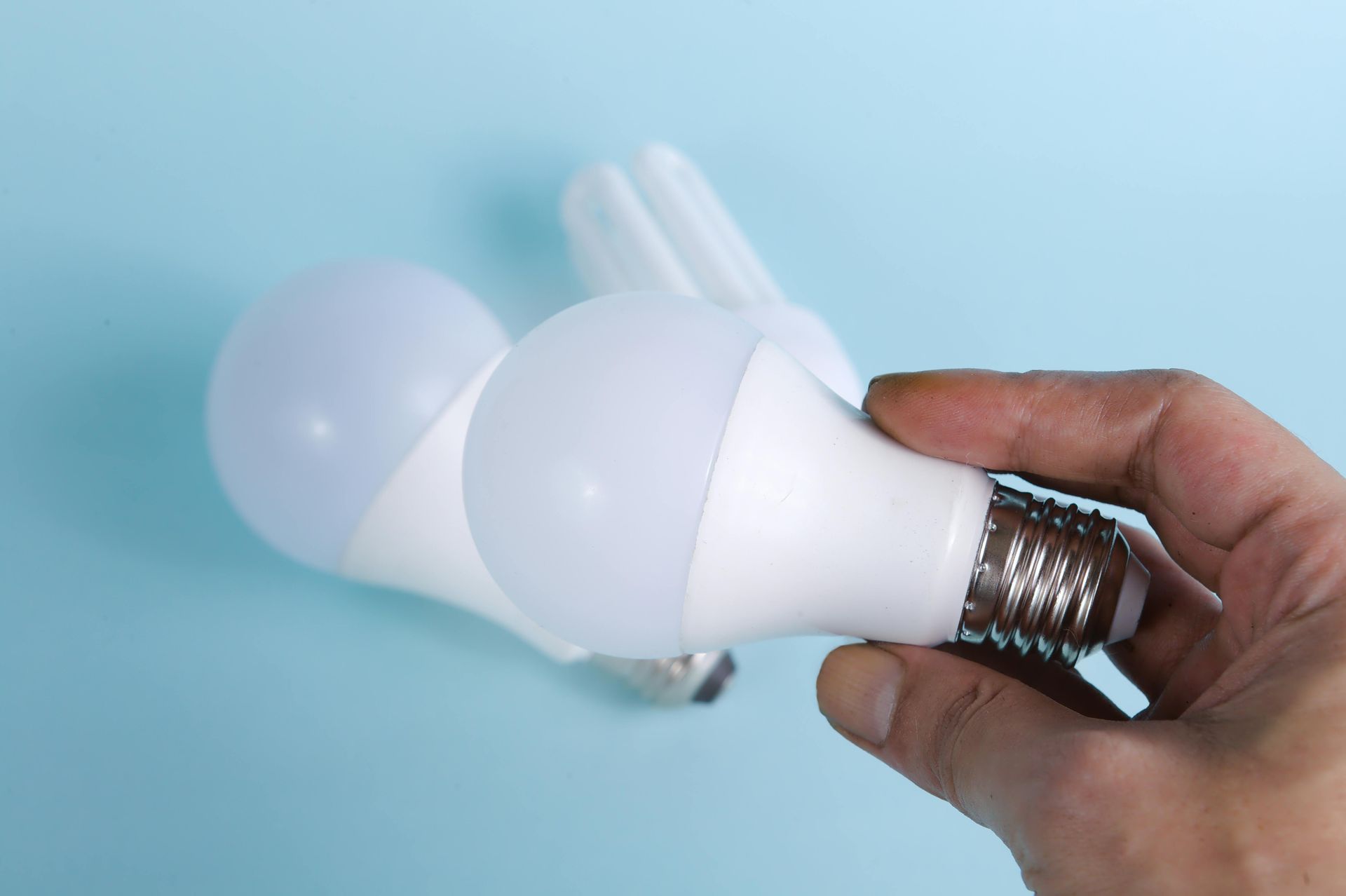
- LED Lights: LED lights are known for their durability, low energy consumption, and bright illumination. Available in various colors and intensities, they highlight key areas like dock edges, walkways, and signage.
- Underwater Lights: These lights are designed for installation beneath the water’s surface, offering functional and aesthetic benefits. Underwater lights can illuminate dock pilings or attract marine life, adding a unique visual element and aiding in nighttime navigation.
- Spotlights and Floodlights: For focused illumination, spotlights and floodlights are essential. They are particularly useful for lighting specific areas, such as boat slips or maintenance zones, and can be adjusted to cover large spaces or highlight particular pier features.
Increasing Usability
Proper lighting also extends a pier’s usability, allowing it to operate efficiently at any time. Whether accommodating late-night arrivals, early-morning departures, or hosting events, good lighting ensures the docks remain functional and accessible 24/7. Lighting can enhance the overall experience for visitors, making the docks a safer and more pleasant place to be.

Work with Archway Marine Lighting
Adequate lighting is an investment in your facility and vessel’s success and reputation. It can create a well-lit, secure environment or provide attractive illumination that enhances the waterfront’s aesthetic appeal.
The inland marine industry is essential, so it is vital to have the right team to consult with. Archway Marine Lighting has been a supplier in the industry for 30 years. We offer a wide range of high-quality marine lighting solutions to meet all navigational lighting requirements.
Check out our catalog, and let’s connect today!
The post The Essential Guide to Dock Lighting: Why It Matters appeared first on Archway Marine.