Important Update About Coronavirus

Leo Bye • March 24, 2020

In the past couple of weeks, our lives have been significantly impacted by the spread of the coronavirus. A lot of us may feel anxious and concerned about it all, but we at Archway Marine Lighting are certain that the country as a whole will overcome this obstacle and any others that may be in our way.

During these turbulent times, we hope you are able to navigate any impediments that may come your way both professionally and personally.

We also wanted to reassure you that we will remain open and will continue to offer the same quality products and services. As an independent privately-owned business we have a strong system in place that will continue to respond to all of your website inquiries, emails, and phone calls.

We are carefully observing CDC guidelines and are taking the proper precautions necessary to maintain the same quality service we’ve always provided. We believe the health and safety of our customers and employees is paramount so that is why we are implementing new procedures to protect you and them.

Please reach out to us if you need anything by contacting us.

Our office hours will continue from 7:30 a.m. to 4:30 p.m. Monday through Friday.

We are here to assist you during these challenging times.

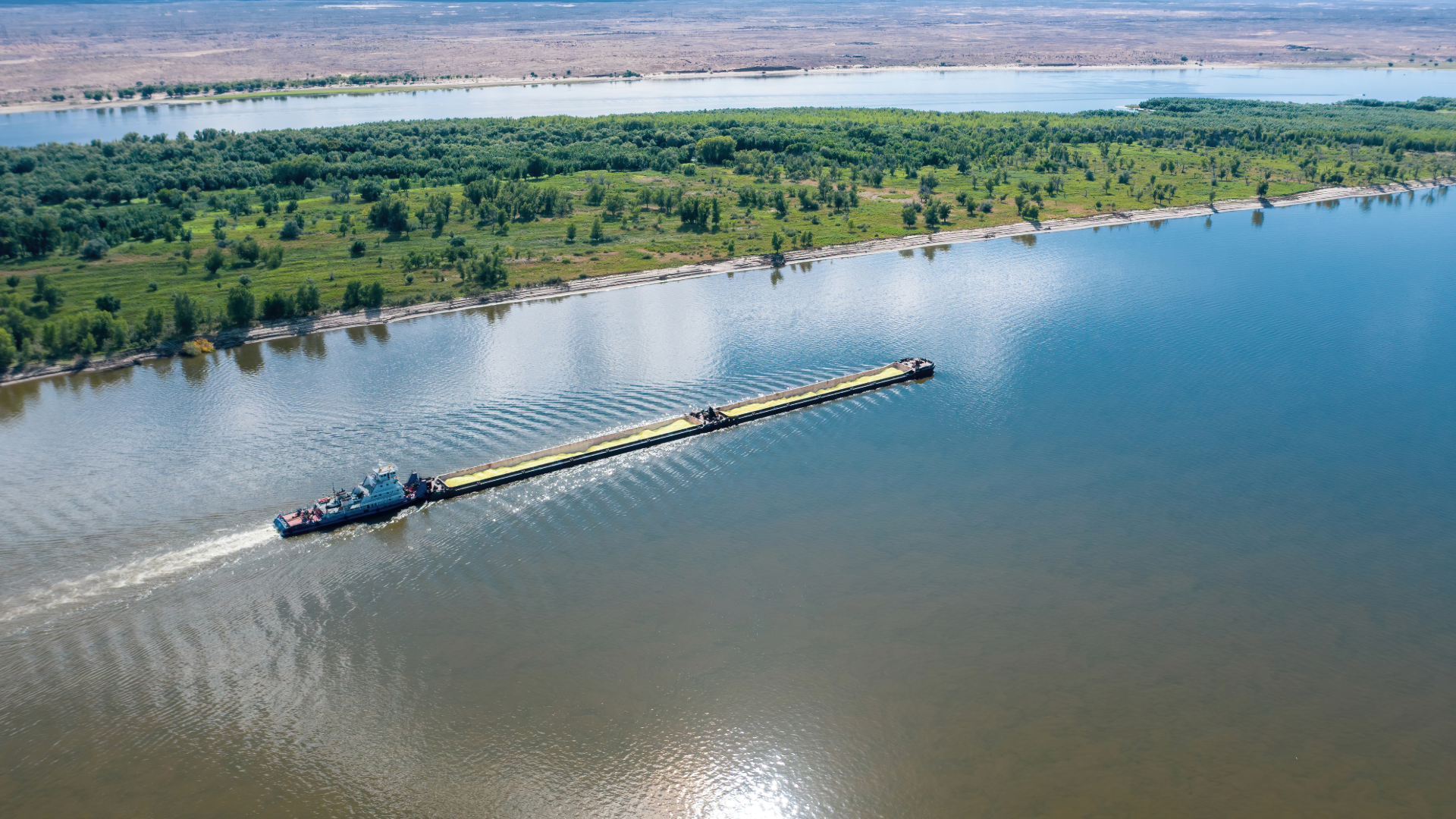
Barge in an inland waterway
April 11, 2026
Marine‑grade does not automatically mean durable, compliant, or right for your operation. It means a product is intended for marine environments, but the level of protection, construction quality, and real‑world performance can vary widely. If you assume marine‑grade guarantees long service life or regulatory compliance, you may end up with lighting that fails early, creates safety gaps, or causes avoidable downtime. Understanding what marine‑grade truly means helps you make smarter decisions before problems show up on the water. What Does "Marine‑Grade" Actually Mean? Marine‑grade means the product is designed to operate in wet, corrosive, high‑vibration environments. That is the baseline . It does not mean every marine‑grade product performs the same way or lasts the same amount of time. At its core, marine‑grade typically includes: Materials that resist corrosion from moisture and exposure Sealed housings to limit water intrusion Construction intended to handle vibration and movement Electrical components suited for marine power systems That definition is broad. Two products can both be labeled marine‑grade and perform very differently once installed on a working vessel. What Marine‑Grade Does Not Guarantee Marine‑grade does not guarantee long life, compliance, or suitability for your specific application. This is where many operators get caught off guard. Marine‑grade does not automatically mean: U.S. Coast Guard compliant Rated for continuous duty or long shifts Designed for inland river conditions Resistant to constant vibration and impact Properly sealed for washdowns or heavy rain Compatible with your vessel's electrical load A light can survive occasional exposure to water and still fail quickly when installed near engines, winches, or work areas that vibrate nonstop. Why Marine‑Grade Looks Different on Inland Vessels Marine‑grade products are often designed with a wide range of marine environments in mind. Inland operations create unique challenges that generic marine‑grade standards do not always address. On inland waterways, you deal with: Constant vibration from engines and tow operations Tight working areas with high impact risk Frequent night operations Mud, debris, and spray rather than open saltwater Long duty cycles with little downtime A fixture that performs fine on a recreational boat or marina dock may not hold up on a towboat or barge deck. Note: Marine-grade alone does not account for how hard inland vessels work.
A glowing, vintage-style light bulb hangs against a dark, minimalist wall.
March 11, 2026
Cheaper fixtures may look like the better option on paper, but over time, they quietly drive higher costs through failures, downtime, and repeated replacements.
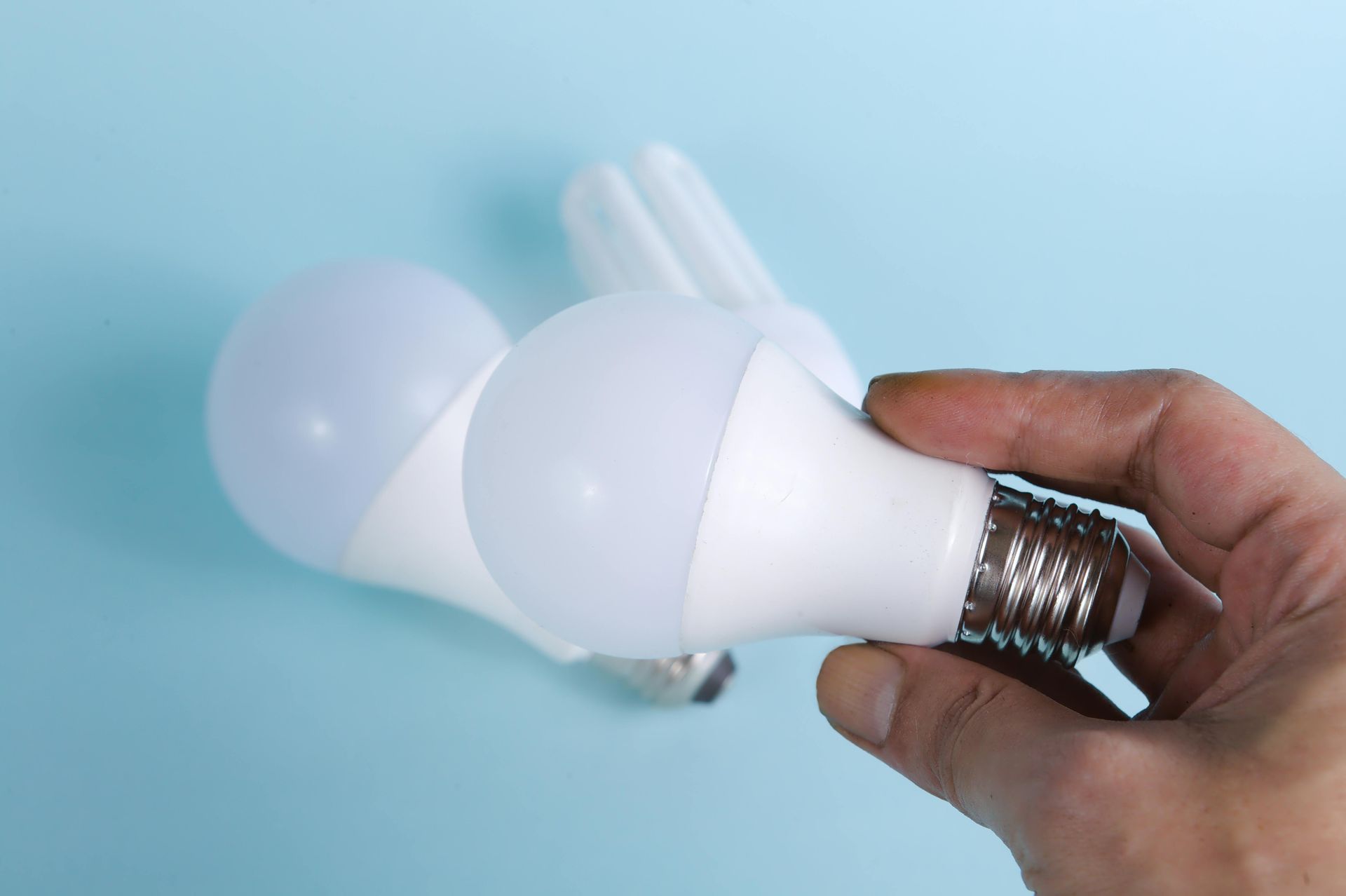
Hand holding a white LED lightbulb next to two others, against a blue background.
February 11, 2026
Understanding why marine bulbs fail early on is the first step toward reducing downtime, improving safety, and extending the life of your lighting systems.