The US Coast Guard and the MTS
The US Coast Guard (USCG) is an integral part of “maritime safety, security, and stewardship” and has been a part of countless rescue and search missions, Homeland Security operations, and environmental protection. A large part of their mission is also the management of the Marine Transportation System (MTS) that makes up America’s waterways.
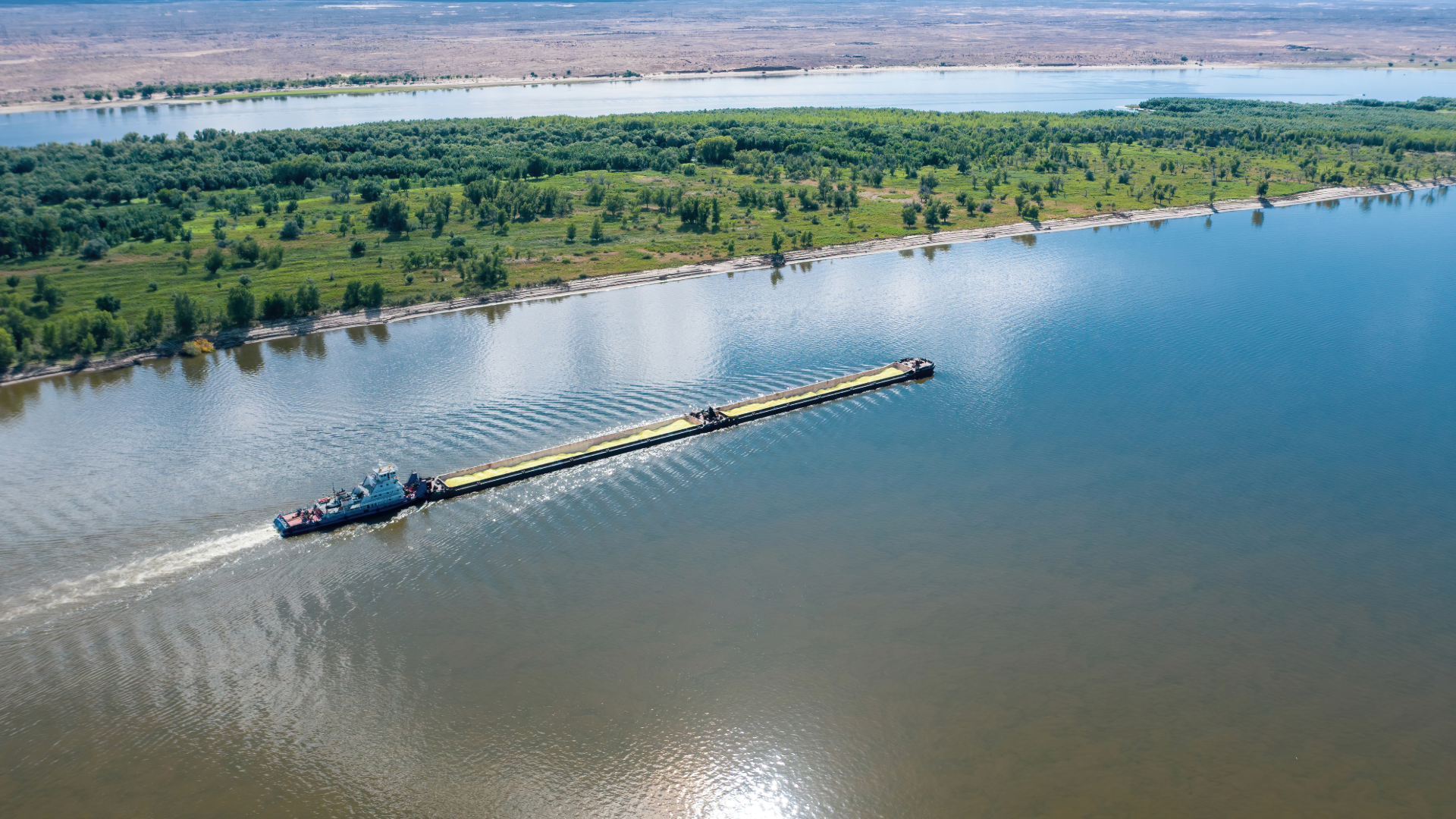
The MTS is a vast and complex system made up of over 350 ports and nearly 4000 marine terminals supporting intercoastal trade and logistics and providing millions of jobs. The network connects railroads and highways and supports the daily transportation of close to $4 billion in goods daily. The MTS is also known for recreational boating, cruise ships, and ferry transportation.
The Coast Guard facilitates all of this traffic — both commercial and recreational — and does so with safety and security as a priority. Their role includes waterway navigation and access, flow of commerce, and providing environmental protection. Programs include the engineering of navigation aids like a network of 47,000 buoys, icebreaking missions to clear waterways, bridge engineering and repair for over 20,000 bridges across the MTS, and spatial planning in conjunction with the National and Atmospheric Administration (NOAA).
On a regular basis, the Coast Guard manages waterways with a variety of different roles and activities. They enforce navigation rules and regulations that keep boaters safe. They direct traffic when routes change. Search and rescue efforts help distressed boaters (commercial & recreational). The Coast Guard also administers permits for maritime events and offers information about navigation hazards.
The USCG plays a large role in waterway infrastructure management as well.
“The Coast Guard collaborates with Federal, state, local agencies, industry, and other stakeholders to ensure that over 20,000 bridges and causeways spanning the navigable waters of the United States do not unreasonably obstruct navigation. This includes issuing permits, establishing bridge lighting and marking requirements; approving drawbridge schedules; investigating bridges that may be unreasonably obstructive; monitoring rehabilitation, repair, maintenance, and construction activities; and managing design construction and funding for Truman Hobbs projects.”
Management encompasses buoy placement, coastal and marine spatial planning, and risk evaluation for projects that could impact the MTS. The Coast Guard’s Aids to Navigation System is a good example; this program oversees tasks like upgrading visual aid lighting to LED fixtures that are more reliable and cost-efficient.
Environmental and marine protection is also a key priority for the Coast Guard. As a federal agency, they enforce fishing laws that keep marine species thriving and help support the sustainability of the various ecosystems along the MTS. The USCG Marine Environmental Protection program “develops and enforces regulations to avert the introduction of invasive species into the maritime environment, stop unauthorized ocean dumping, and prevent oil and chemical spills.”
The Coast Guard enforces maritime laws on several fronts. One of their missions is to keep waterways safe from foreign and illegal fishing vessel encroachment along the U.S. Exclusive Economic Zone (EEZ) — 3.4 million square miles of ocean and more than 90,000 miles of coastline. Security measures protect MTS resources and those who live and work along the waterways and provides counter-terrorism support.
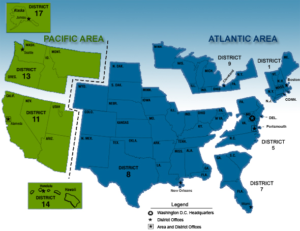
(Image: https://www.dco.uscg.mil/WWM/ )
There are 9 USCG Waterways Management branches across the country, assigned to different regions that include branches in both Hawaii and Alaska. The main Navigation Center is located in Alexandria, Virginia — near the capitol in Washington, D.C. This is the heart of the Waterways Management branch of the Coast Guard and offers a long list of resources: Regional and federal navigation rules, ice charts updated in real-time, vessel traffic service information, and public notices for bridges to name a few.
The MTS is integral for the country’s transportation and logistics infrastructure, and the US Coast Guard plays a large role in its success. As technology evolves, so too will the efforts the USCG takes to protect the MTS. Following news from the agency means organizations that operate on the waterways can stay compliant with guidelines and be informed about these innovations, like the widespread use of LED lights as mentioned above.
When it comes time to upfit vessels, docks, or ports to be USCG-compliant, get in touch with our team of maritime experts with over 30 years of experience. We are committed to providing top customer service and the top-quality marine products you need at a cost-effective price point — let’s chat.
The post The US Coast Guard and the MTS appeared first on Archway Marine.