Replacing Marine LED Lighting
Not all marine LED lighting is created equal. It’s easy to think that the best option is the cheapest — but that’s not always the case. Lower quality lighting has a shorter lifespan and can be far less energy efficient, negating the switch to LED lighting for these purposes in the first place. Buying high-quality lighting can give you peace of mind knowing that it will withstand the test of time and keep operators safe without dying unexpectedly before the manufacturer’s lifespan claims.
Replacing marine LED lighting isn’t something you want to do alone. Working with a lighting partner that can steer you in the right direction is an important step. After a comprehensive audit of your current setup, a supplier with expertise in this area will be able to give suggestions on all of these crucial factors and work within your budget, so you don’t have to compromise quality.
How Long Does Marine LED Lighting Last?
While the lifespan of marine LED lighting depends on its use and application, most standard lamps last 50,000 hours, while dimmable LED lamps can last nearly 100,000 hours. For facilities along the inland waterways that have lights on 24/7, that (theoretically) could mean longevity of six years.
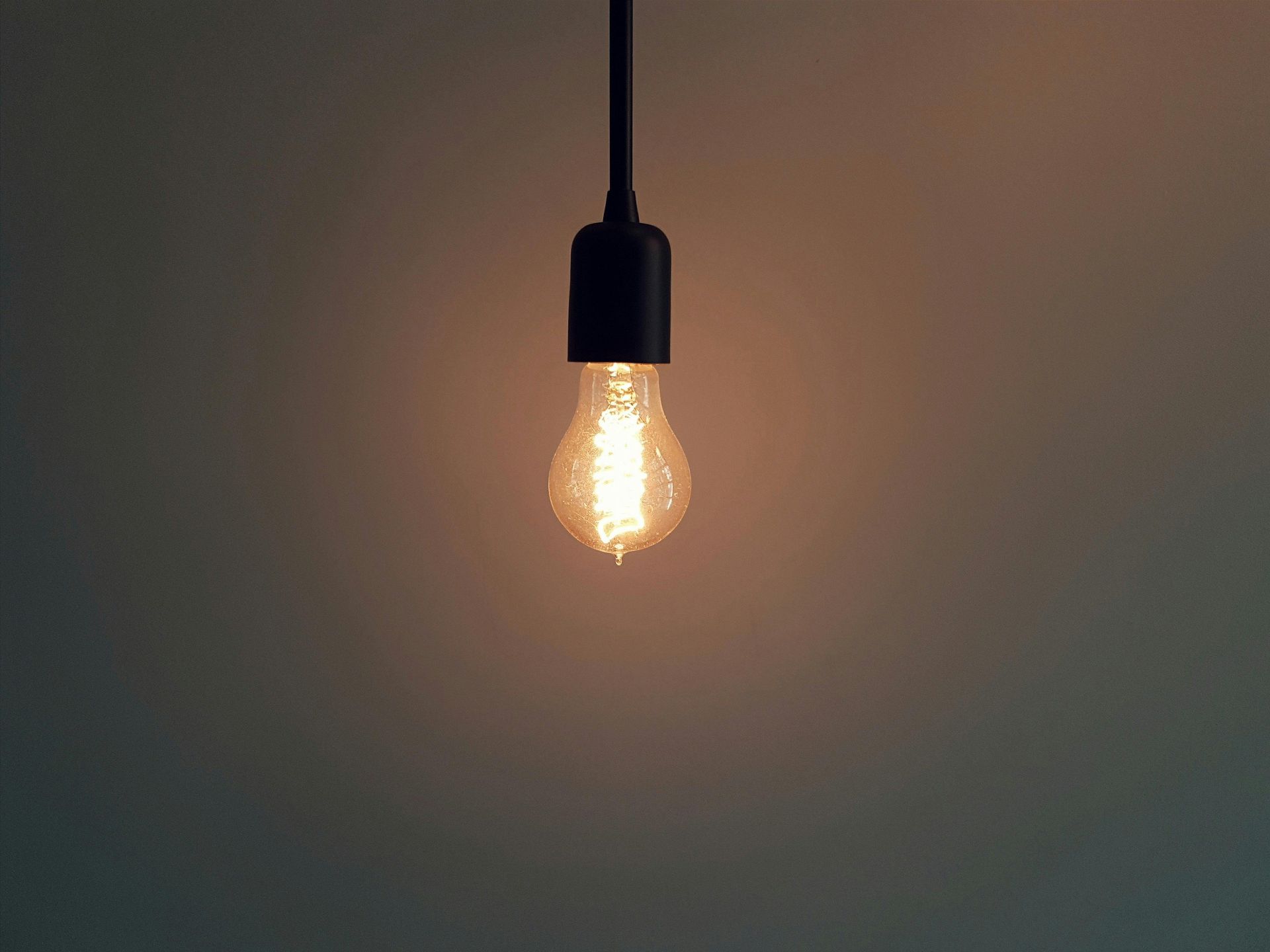
Unlike incandescent lamps, LEDs don’t have a filament to break or fail. Instead, they’ll slowly lose output over time. Manufacturers will rate lighting signifying when 50% of bulbs that are quality tested will reach 70% brightness (B50-L70). The L-rating will change depending on your option; B50-L50 would reach 50% of brightness by the end of the 50,000-hour lifespan.
LED Longevity Factors
Along with how often LED lights are turned on and how many hours they run, other factors impact how long they last.
- Poor Quality: Not all LEDs are created equal, and manufacturers who choose quality components create lights that last longer and are free of material defects that could cause operational failure.
- Electrical Over Stress: EOS happens when more power is sent to LEDs than the recommended maximum. Poor design and sub-quality drivers can cause this issue, as could human error during the installation process.
- Heat and Moisture Stress: Although LEDs operate at much cooler temperatures than traditional incandescent lamps, they can still fail if exposed to extreme temperatures. The same is true for environments with high levels of humidity.
Look For These Signs
As mentioned above, traditional lights will burn out when they’re no longer functional — a sure sign that they need to be replaced. Before LEDs hit the mass consumer market, fixtures and lamps were sold separately based on the shorter (1000-5000 hours) lifespan of traditional incandescent lighting. Although this saved replacement time because lamps could simply be swapped out, the budget for lighting was astronomical.
On the other hand, LEDs will become dimmer over time, and this dimness is the first sign that it’s time for replacements. In turn, the lower lighting output can cause eye strain and chronic headaches for employees and even impact the safety and maneuverability of a facility. Working with an experienced, expert distributor will offer a better idea of how much life your LEDs currently have left.
The Replacement Process
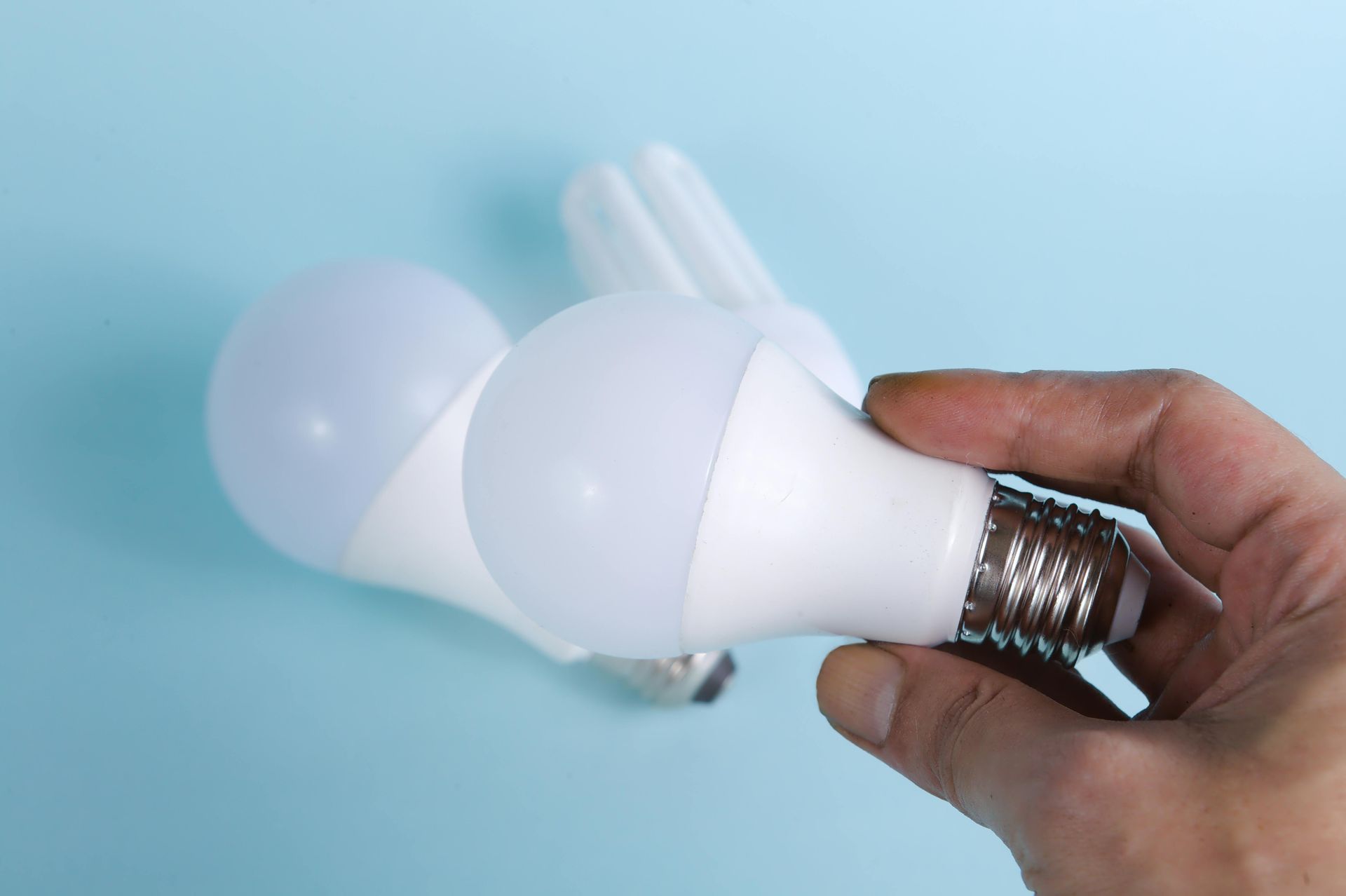
When facilities were upgraded a decade ago, the retrofit likely included adding LED bulbs to existing fixtures, which is now less common because of integrated LEDs. Now it’s much more likely that replacing current LED lighting would include fixtures and lamps to optimize the efficiency and operation of LEDs.
For marine and inland waterway facilities that want to keep their fixtures while simply replacing existing LED lights, it’s critical to work with distributors to ensure you’re getting compatible bulbs. Lighting experts can also help building managers choose upgraded integrated LED solutions.
In conclusion, if it’s been about ten years since your last marine LED lighting upgrade, if facility lighting isn’t as optimal as it once was (or should be), or if the facility is undergoing a transformation in use, it’s a wise idea to speak with a team of lighting professionals. We are committed to delivering a high-quality product along with prompt, friendly, and professional customer service. We take great pride in our ability to provide our customers with products they need to help ensure they’re including these factors in their lighting plan. Get in touch today to get started!
The post Replacing Marine LED Lighting appeared first on Archway Marine.