A Guide to Exterior Marine Lighting
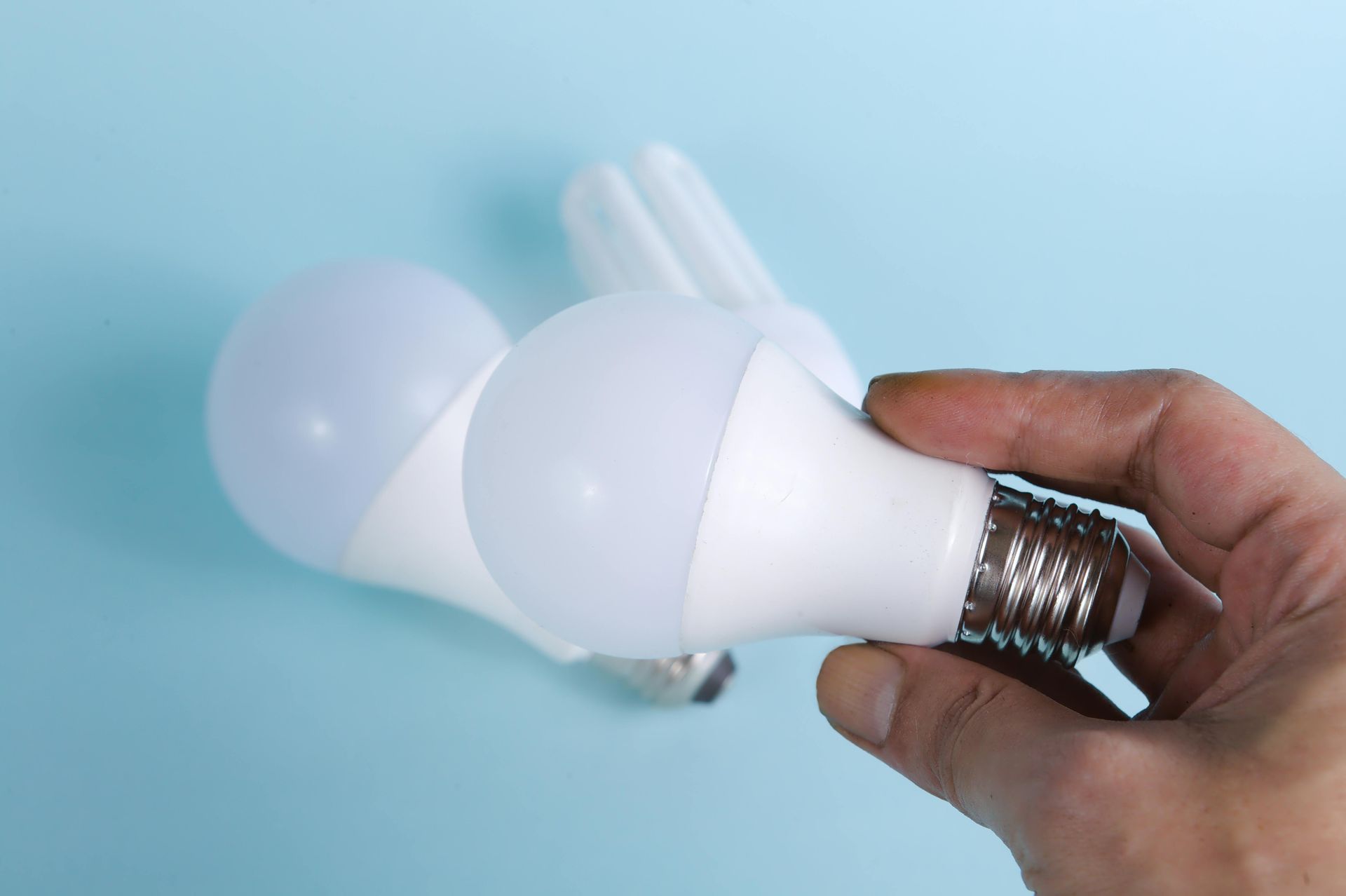
If you’re looking to replace or upfit your current exterior marine lighting with cost-efficient LED options, you’re reading the right blog post! Lighting on inland waterways is crucial for safety and navigation, among other reasons, and it’s crucial to get the retrofit process right the first time.
These are some of the most popular LED choices for exterior marine lighting:
Exterior LED Lighting: Wall packs are a common type of exterior LED lighting and are installed onto the wall of your marina building or another vertical surface to illuminate the perimeter of the docks or marina. Beam direction, color, and duration of operation can all be easily controlled through automation and tech tools connected to your lighting system.
Outdoor LED Lighting : This LED lighting can illuminate the outdoor spaces in and around inland waterways, docks, marinas, and more. This usually means installing LED pole-mounted lighting in these areas for better visualization and safety with aesthetics in mind.
Commercial Exterior Lighting Fixtures: Finding the proper commercial exterior lighting goes beyond bulbs; it’s also about your fixtures. Depending on your lighting design, fixtures can improve energy efficiency, add stylistic appeal to the property and allow for connectivity for IoT (Internet of Things) devices if you’re looking to improve traffic and revenue to your marina business.
Flood Lights: Large, exposed spaces along the inland waterways need lighting that offers a wide range of views. LED floodlights with the correct strength and wattage could be the solution for these types of applications.
Sensors: Dusk-to-dawn sensors optimize lighting use based on sunrise and sunset times, while motion sensors trigger the lights when people enter or exit your space. Both of these tools will help make your LED lighting more energy-efficient.
Because there are now so many available options when upgrading exterior marine lighting along the inland waterways, it’s not something we’d recommend you tackle on your own. Working with a qualified, experienced lighting team can bring essential skill sets to the table, from the design of the lighting system throughout its installation and even when it comes to long-term maintenance of your LED lighting.
Once you’ve settled on a budget for commercial exterior lighting, sit down with those lighting professionals to discuss your options. Bring the necessary documentation to these meetings, like landscape plans, property maps, and building blueprints. If sustainability plays a vital role in your upgrade, let your lighting team know to help guide their suggestions. Making sure that you get the most of your exterior commercial lighting investment means choosing high-quality products and professional guidance and installation.
If you need to prioritize upgrades for cost or logistics reasons, choose to replace or add lighting to areas that need it most. Again, working with qualified lighting professionals can help demystify which types of LED lighting are best for specific areas of your commercial property.
Reach out to our team of marine lighting experts to better understand exterior marine lighting options, especially if you’re interested in upgrading to LED lighting. Whether you’re working on a new exterior marine lighting project or retrofitting a current layout, we are committed to delivering a high-quality product along with prompt, friendly, and professional customer service.
The post A Guide to Exterior Marine Lighting appeared first on Archway Marine.