A Guide to Marine Navigational Lighting
Just like with any other form of transportation, lighting systems are the key to safely traveling at night or in limited-light environments. Marine navigational lighting is perhaps one of the most important factors in operating a vessel and the knowledge of this lighting is heavily tested throughout nautical training.
In fact, the International Maritime Conference adopted navigational light requirement rules for global regulation, and three main colors were adopted — red, green, white — that are still used for safety and navigation today. There are different parameters based on your type of boat, its length, how it’s powered, where it’s traveling, and whether it’s at anchor.
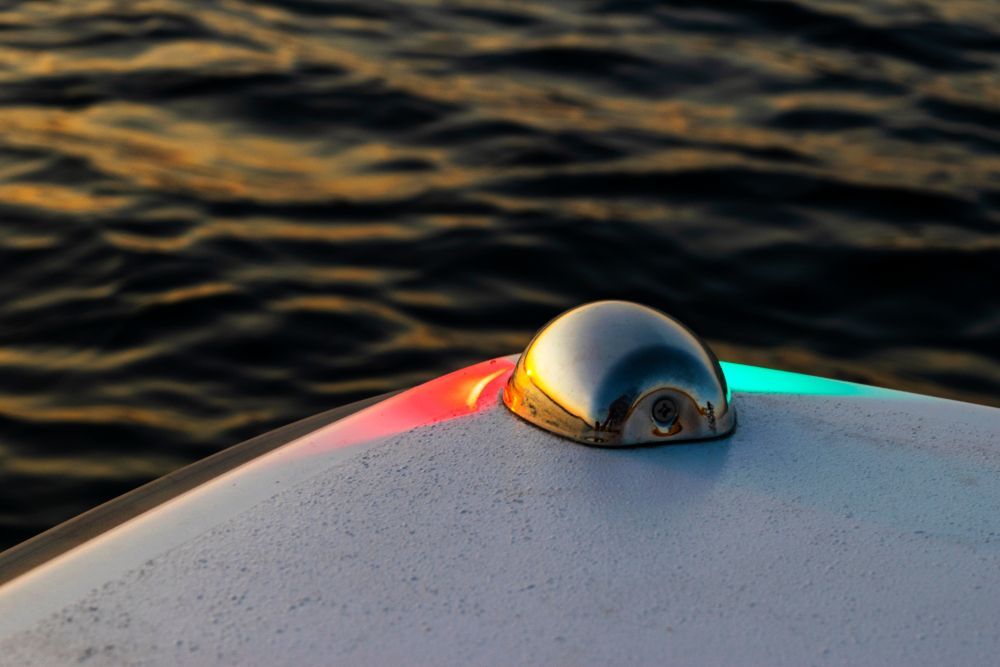
These lights are also set up on vessels in a recognizable pattern: a green light at the starboard side, a red light on the port side, and a white light at the stern of the vessel. The masthead also needs two spotlights. How these lights are arranged specifically to identify the type of vessel is listed in COLREGS.
This great resource offers some guidelines:
For powered boats less than 39.4 feet, or 12 meters, you need to have the following set of navigation lights.
- One all-around white light that you can see from 360 degrees and from two miles away;
- And one pair of red and green sidelights that are visible at 112.5 degrees and from one mile away.
For boats of this size, the all-around white light needs to be positioned at a height of at least 39 inches above the sidelights.
If your boat is greater than 39.4 feet but less than 65.6 feet, or 20 meters, you need the following set of navigation lights:
- A masthead light is a white light at the front of the boat. The masthead light needs to be visible across 225 degrees and from two miles away.
- A stern light, which is a white light at the rear of the boat. The stern light needs to be visible across 135 degrees and from two miles away. When the masthead light and the stern light are combined, that makes up 360 degrees.
- Finally, you need one pair of red and green sidelights that are visible across 112.5 degrees and from a distance of one mile.
For boats of this size, the masthead light must be positioned at a height of at least 8 feet above the gunnel.
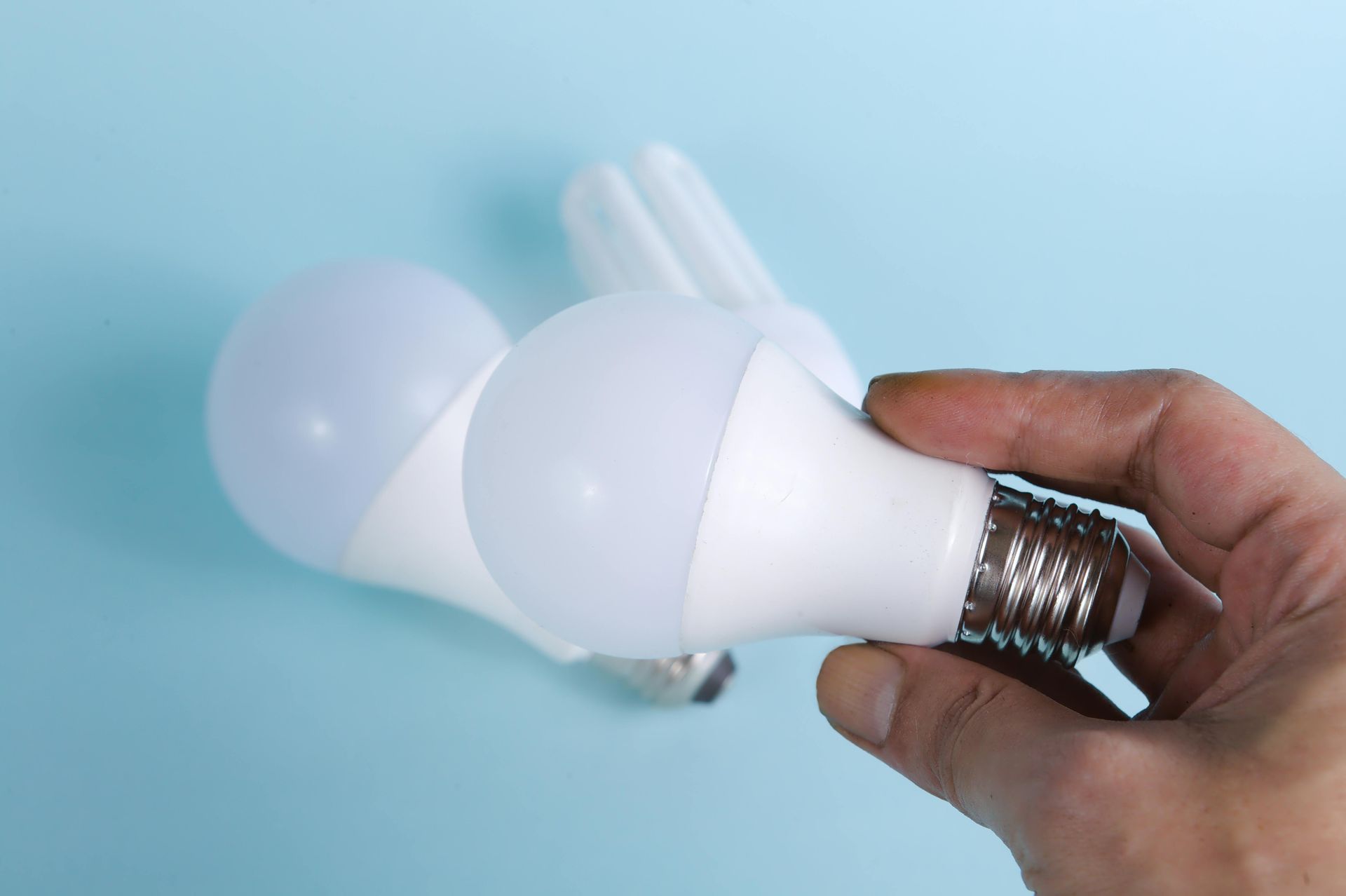
If you’re installing or replacing the marine navigation lights on your vessel, you may want to consider choosing LED lights over traditional bulbs and fixtures. Remember that the lighting you choose — no matter what the type — needs to comply with COLREG and US Coast Guard regulations and be installed at the right lighting angles to stay visible to other boaters on the water.
There are some caveats, however. Some existing and traditional lighting fixtures aren’t equipped to handle newer LED bulbs and everything may need to be swapped out (fixture and bulb) when dealing with an upgrade. Also, be sure to avoid lights that cause electromagnetic interference with your communication tools.
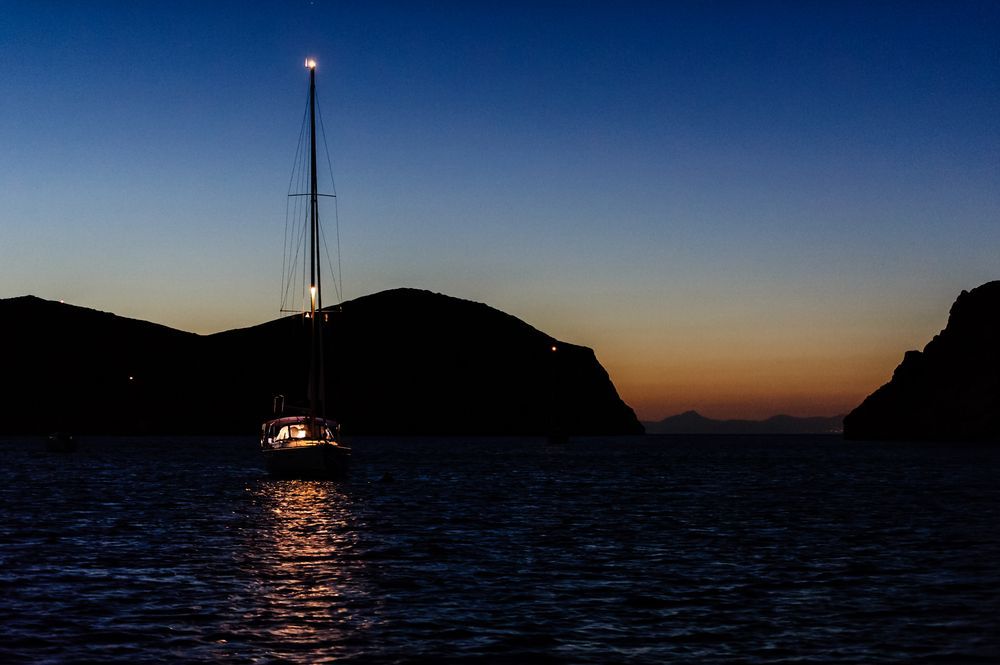
Ultimately, remember that not all LED lighting is created equal and it may be tempting to go with the cheapest option. Lower quality LED lighting and fixtures have a shorter lifespan and can be far less energy efficient. On the other hand, buying high-quality lighting can offer peace of mind knowing that it will withstand the test of time and keep operators safe without the lighting malfunctioning unexpectedly before the stated lifetime claims.
Making sure you have the right marine navigation lights isn’t something you should do alone. Consider working with a lighting partner that can guide your decision and offer suggestions on important factors and work within your budget so you don’t have to compromise quality.
Reach out to our team of marine lighting experts to better understand your navigational lighting options, especially if you’re interested in upgrading to LED lighting. Whether you’re working on a new exterior marine lighting project or retrofitting a current layout, we are committed to delivering a high-quality product along with prompt, friendly, and professional customer service.
The post A Guide to Marine Navigational Lighting appeared first on Archway Marine.