The Sustainability of Barges
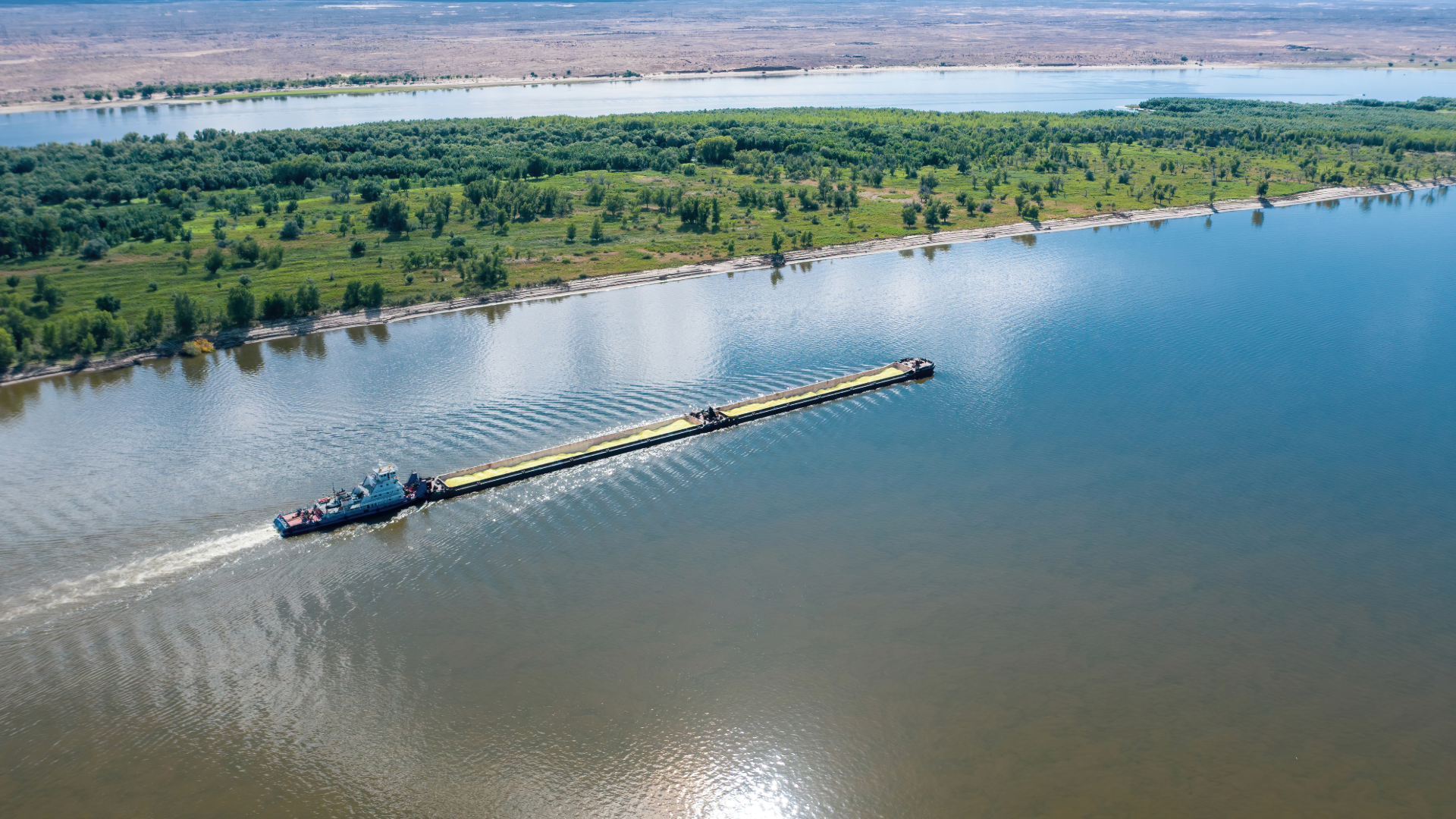
Barge transportation not only accounts for nearly one-fifth of the country’s freight, but it also carries the lowest unit cost due to capacity and is a sustainable approach compared to road and rail logistics. Consider this: The capacity of one 15-barge tow equals 216 rail cars or 1050 trucks. While this alone helps to demonstrate their reduced environmental impact, that’s just the beginning of the list of benefits.
While it may seem that there’s no connection between safe transport and sustainability, that couldn’t be further from the truth. Barge transport reports much fewer incidents, accidents, and fatalities than other popular forms of transportation. It impacts populations and communities much less than highway or railway travel.
There are many more trucks and railcars in use than barges, which means land transportation creates more liquid gas spills. This, in turn, increases pollution and the environmental impact. A good number of barges built within the last decade have been designed to mitigate any spills from entering the waterways. The US Coast Guard regulates barges carrying hazardous or toxic materials, adding another layer of environmental protection.
Using barge transportation doesn’t cause congestion on the roadways, either. It’s safe to say that the inland waterways are underutilized and they don’t stress road infrastructure. Also, they don’t cause emission-producing traffic jams and they don’t cause industrial accidents (like rail transport could) that requires extensive, environmentally-taxing resources to clean up.
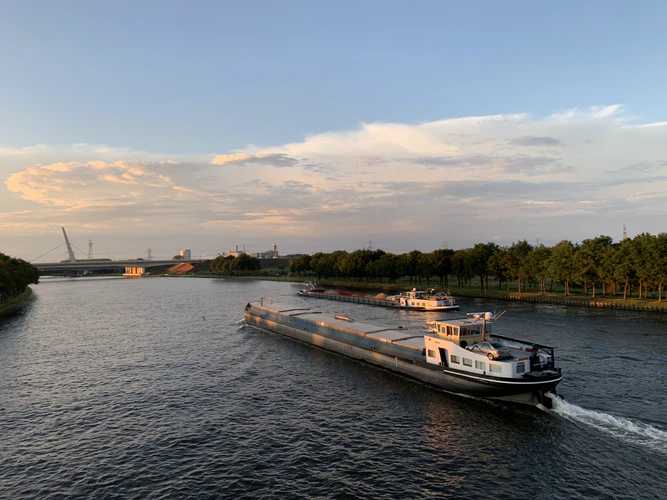
Because there doesn’t seem to be a noise pollution problem stemming from barge transportation, there’s little data as to its effects. The same can’t be said for truck or rail shipping, and it can also be said about the difference between the three when it comes to air pollution. Traffic on the roadways is one of the biggest contributors to air pollution.
Trains run through cities and towns, trucks clog up highways — but barges travel on waterways. Water transport typically happens far from busy, highly-populated communities and has far less of an impact on local populations. Barge logistics don’t require land either; unlike rail and truck transport, there’s no competition among municipal, government, or commercial developers to stake their claims.
Innovative new strategies to help make barge towboats and barges themselves more sustainable, engineers are leveraging renewable energy and alternative power sources. Solar-powered barges are being used to clean up the world’s waterways, both inland and coastal. Organizations are developing hybrid gas-electric barges to make their transportation fleets more sustainable. There are even hydrogen-powered barges in the works as the world looks to reduce dependence on fossil fuels.

For organizations looking to support sustainable supply chains, barge transportation is a must. Now, more than ever, stakeholders and consumers are looking to spend their money on businesses that not only create sustainable end-user products, but use strategies that reduce environmental impact from start to finish. Opting for barge transportation when and where possible gives companies a competitive edge over those who are slow to adapt.
Even waterway infrastructure growth can contribute to the sustainability of the industry. Improvements are overseen by groups and committees that ensure local ecosystems aren’t affected by repairs or construction. The same can’t be said for roadway infrastructure construction or the addition of railways, which directly impact life on land.
On-barge technology like LED lighting adds up to make a big impact on improving barge sustainability. Because LED navigation lights last longer than traditional marine lighting, they create less waste. They also consume less energy, cast a brighter light further into the distance to improve safety, and can be automated to be turned off when not in use. All of this contributes to the energy-efficiency of barges, and if all barges adopt this approach, it can create a culture of barge sustainability across the industry.
If you’re looking to upgrade your lighting and increase the eco-friendliness of your fleet, let us help. Our team has extensive knowledge and experience in the range of LED options you can choose for an upgrade. We’ll compare your current lighting with brands like Phoenix Lighting featuring the SturdiSignal Series of Navigation Lights — designed and manufactured in the USA.
Our sales team members are product experts and can help you configure the perfect SturdiSignal Navigation lights for your needs. Contact us today!
The post The Sustainability of Barges appeared first on Archway Marine.