The History of Barges
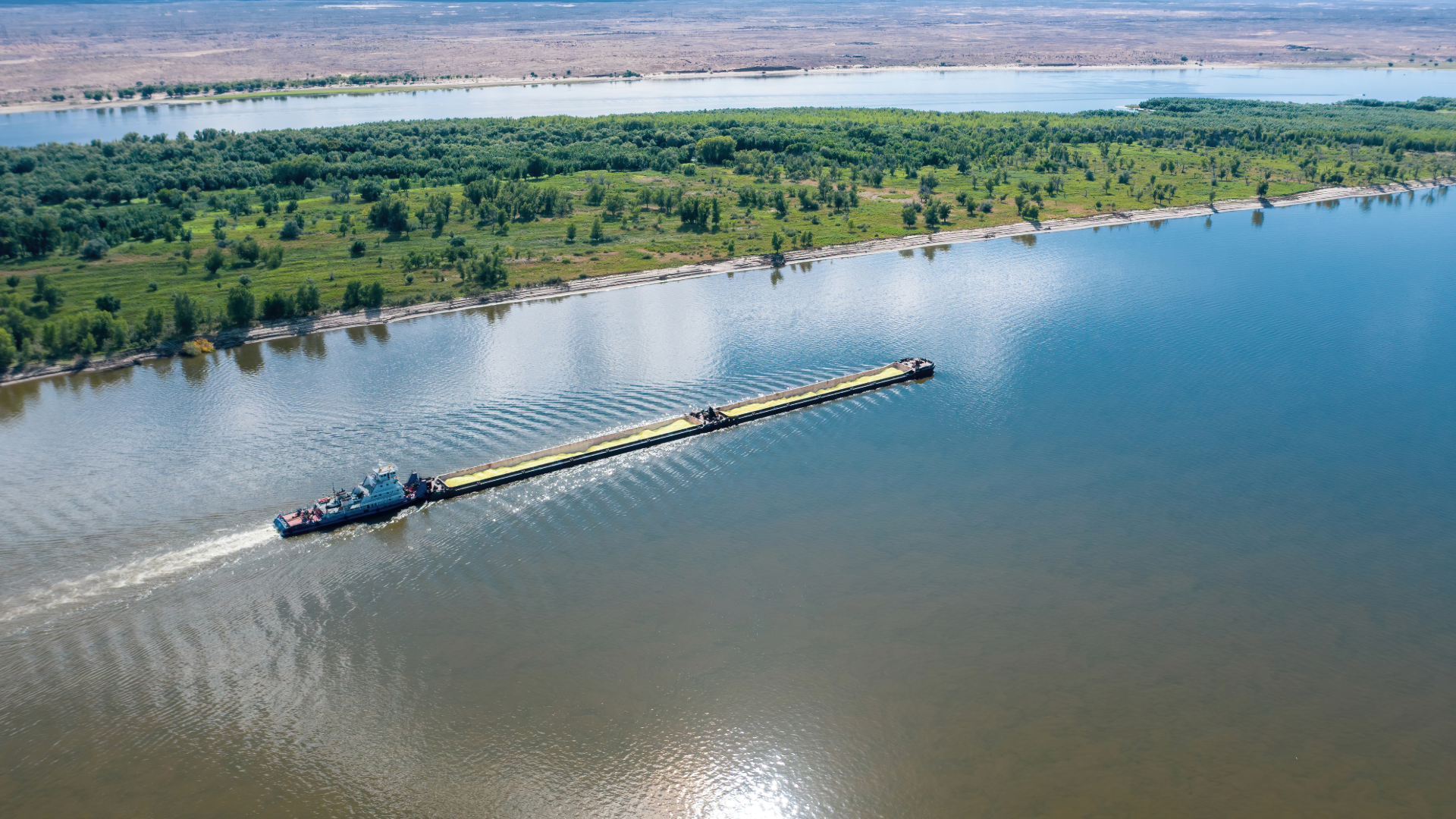
A barge is defined as a type of marine vessel that’s mainly used for cargo transportation. They don’t move independently like a boat; they float and are towed or tugged by other vessels. Barges are flat-bottomed to ensure maximum cargo capacity and are used in lakes, canals, inland waterways, and often at seaports. While they may seem utilitarian now, there is a long and storied history of barges that’s worth noting.
O ne of the earliest recorded uses of barges dates back to ancient Egyptian times as a vessel for funeral proceedings for a king. The Romans used barges and canal travel to expand their reach and lines of commerce to move things like wine and olive oil.
The word “barge” itself was first believed to be coined around 1300 AD, originating from the Latin word “barga” and referred to any small boat. Over time it was used to describe three-masted ships, and now in modern times carries the current definition as listed above.
Types of Marine Barges
Although a wide variety of barges exists, a handful are more common in shipping and cargo transportation:
- Dry Bulk Cargo Barges: These barges are used to haul and ferry dry cargo, including food, grains, sand, materials like steel and coal, and other dry items.
- Liquid Cargo Barges: Just as the name implies, these barges carry liquids such as petrochemicals and fertilizers used mainly in the liquid state, along with other industrial liquid chemicals.
- Split Hopper Barge: The split hopper barge is extensively used to carry dredged material such as soil or sand for marine construction purposes. It can unload material at the site and features a hydraulically operated split open hull.
- Other barges include power barges (like mobile power plants), royal barges for countries that still hold celebrations for monarchs and other royalty, and even barracks barges used for residential purposes.
Barges Around the World
It’s not just the US that boasts robust inland waterway infrastructure. We can trace inland navigation in Europe back to the Medieval age, when merchants transported goods to other areas of the continent through natural and artificially created inland waterways.
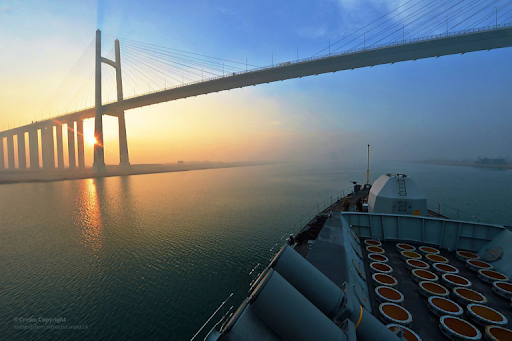
Once just a topic in grade school history books, the recent shining spotlight on the Suez has reignited conversations about its history, the history of barges, and the future of inland waterway shipping and navigation. As an industry, this should be a wake-up call to push for more investment in waterway and maritime logistics infrastructure; canals and waterways like the Suez have long been integral in trade and will continue to be for generations to come.
Don’t overlook the Panama Canal — some have dubbed it the world’s most difficult engineering project. It’s 50 miles long and takes nearly 12 hours to traverse from end to end, and it helps maritime travel avoid the long trip around the southern tip of South America.
Why Choose Barge Transportation?
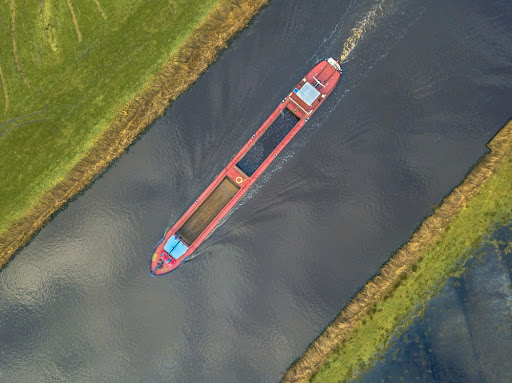
Barge transportation not only accounts for nearly one-fifth of the country’s freight, but it also carries the lowest unit cost due to capacity and is a sustainable approach compared to road and rail logistics. Consider this: The capacity of one 15-barge tow equals 216 rail cars or 1050 trucks. While this alone helps demonstrate their reduced environmental impact, that’s just the beginning of the list of benefits.
While it may seem that there’s no connection between safe transport and sustainability, that couldn’t be further from the truth. Barge transport reports far fewer incidents, accidents, and fatalities than other popular forms of transportation. It impacts populations and communities much less than highway or railway travel.
Regardless of what barges are being used for, barges need to be updated and well maintained. Working with a waterway marine supply distributor with experience helps ensure you’re outfitting your barge fleet with top-quality modifications that boost efficiency and offer a return on investment.
Archway Marine Lighting is committed to delivering high-quality products along with prompt, friendly, and professional customer service. We take great pride in our ability to provide our customers with products they need, when they need them, and at very reasonable prices. We are here to serve you and enjoy hearing from you, so contact us today!
The post The History of Barges appeared first on Archway Marine.