Inland Waterway Glossary
Whether you’re new to the maritime industry or have been up and down the river countless times, brushing up on terminology is a great way to keep learning. Here’s a list of commonly used terms.
Bank: Also known as the riverbank, this is exactly what it seems — the land on either side of the river or inland waterway.
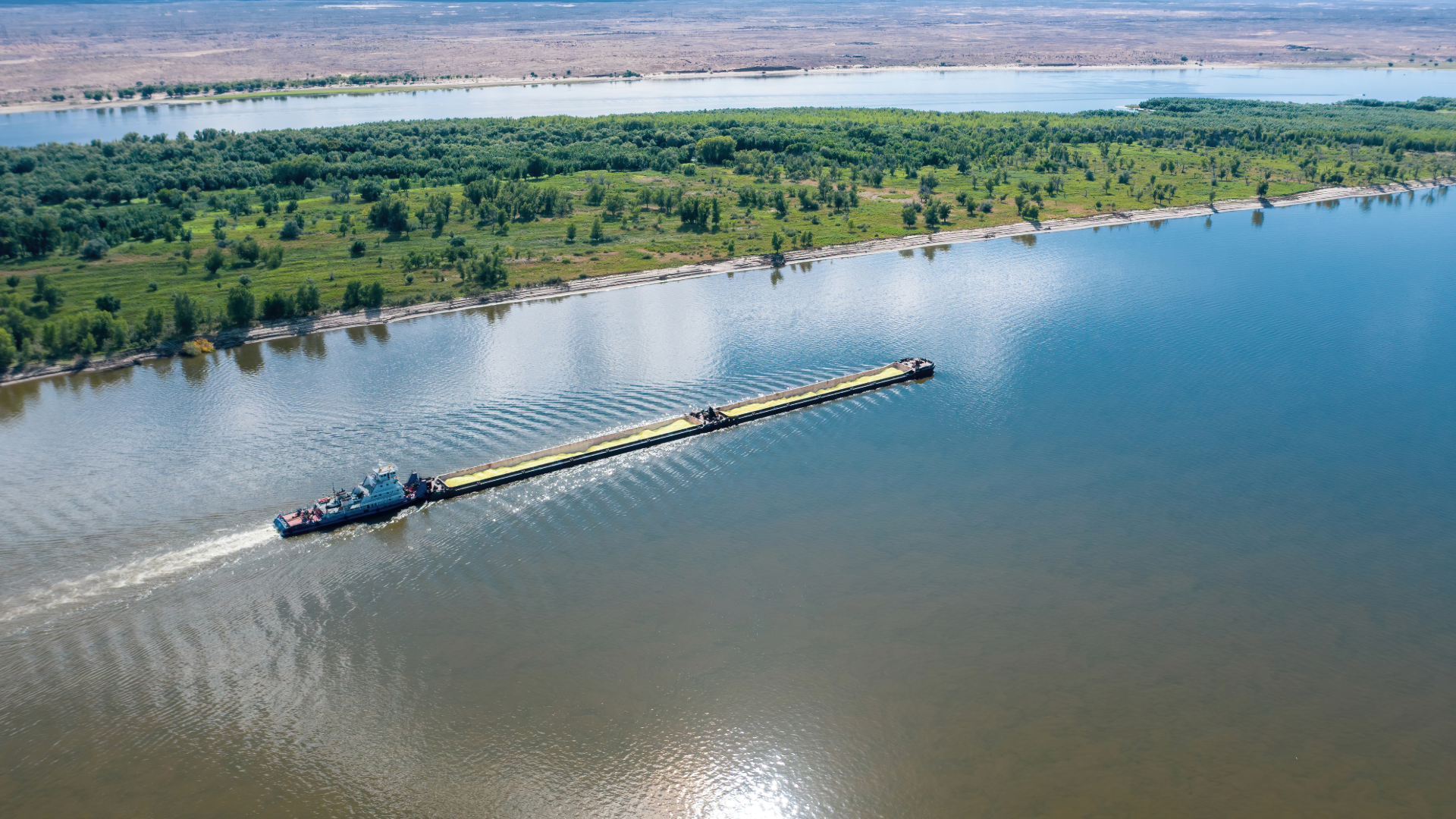
Barge: There are multiple types and sizes of barges, which are the non-motorized vessels that haul loads of cargo along the waterways. Although a wide variety of barges exists, a handful are more common in shipping and cargo transportation:
- Dry Bulk Cargo Barges: These barges are used to haul and ferry dry cargo, including products such as food, grains, sand, materials like steel and coal, and other dry items.
- Barges Carrying Liquid Cargo: Just as the name implies, these barges carry liquids such as petrochemicals and fertilizers that are used mainly in the liquid state, along with other industrial liquid chemicals.
- Split Hopper Barge: The split hopper barge is extensively used for marine construction purposes to carry dredged material such as soil or sand. It can unload material at the site and features a hydraulically operated split open hull.
Cargo: Goods and commodities being hauled and transported by organizations and logistics firms that use inland waterway navigation and shipping.
Channel: The flowing water within a river where commercial barges and vessels travel is called the channel.
Dock: This is the area along the bank where barges and other inland waterway vessels pull in to load and unload cargo.
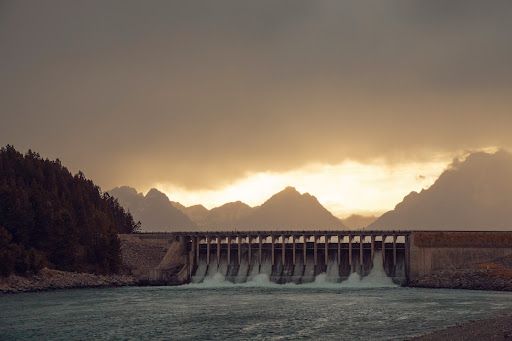
Dam: Dams along the inland waterway can be used to control the flow of water depending on environmental factors and vessel congestion along the waterway.
Inland Waterways: Marine highways or inland waterways cover nearly 12,000 miles of rivers across the country that help connect the continental United States.
Lock: A lock is a device used for raising and lowering boats, ships, and other watercraft between stretches of water of different levels on river and canal waterways…Locks are used to make a river more easily navigable, or to allow a canal to cross land that is not level.
Port: Facilities along the riverbanks where cargo or passengers go as they wait to board or disembark from inland waterway vessels.
River: To be navigable by vessels, rivers must possess certain characteristics, “including the depth, bed, banks and in some cases, locks and dams and river structures, including dikes, weirs, and chevrons.”
Terminal: A facility for berthing ships simultaneously at piers, quays, and/or working anchorages, normally located within sheltered coastal waters adjacent to rail, highway, air, and/or inland water transportation networks.
The Role of US Inland Waterways
The inland waterways industry has experienced such exponential growth due largely in part to the benefits offered by this method of transportation. Without having them in place, we would experience deteriorating roadways, decreased air quality, increased cost and consumption of energy, and the inability to compete in a global market.
Fewer railcars and shipping trucks on the road mean less fuel consumption, and that means fewer emissions to impact the environment around us. Inland waterways also have minimal impact on the ecosystems around them, and there are strict guidelines in place that keep natural microcosms healthy and intact.
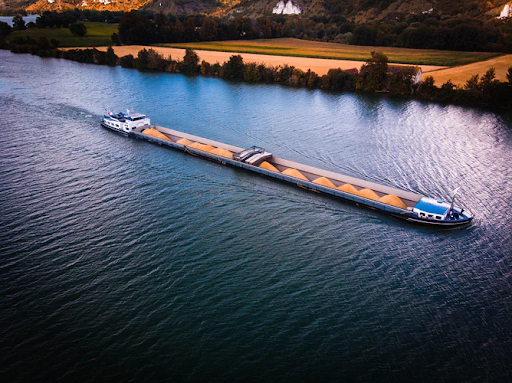
If transportation on our inland waterways were to disappear, the country would see a loss of over $1 trillion over the next ten years — which would cause a devastating ripple effect. If we work hard to maintain and improve the inland waterways infrastructure in the coming years, it could mean job growth in the hundreds of thousands and revenue growth in the trillions of dollars.
We are committed to helping industries and organizations improve inland waterway infrastructure, which is why we have been working hard to provide marine supplies for over 30 years. From barges to docks, to ports of entry, we are committed to helping our customers find new and innovative ways to optimize their marine transportation — get in touch with our team of experts today!
The post Inland Waterway Glossary appeared first on Archway Marine.