The Evolution of Vessel Navigation
In the vast expanse of maritime history, the art of navigation has been a guiding beacon for sailors and explorers alike. From ancient civilizations to the modern age of technology, the evolution of vessel navigation systems has been a fascinating journey marked by innovation and ingenuity. Several changes in navigational techniques and technologies have shaped the course of human exploration on the water.
Ancient Navigation Techniques
Ancient sailors navigated the seas using celestial navigation, relying on the positions of stars and astronomical bodies to determine their direction. They also utilized landmarks and natural phenomena such as currents and winds to chart their course. The use of primitive navigational tools like astrolabes and sextants would measure angles and calculate positions, laying the foundation for future advancements in navigation.
Medieval and Renaissance Navigation
During the medieval and Renaissance periods, navigational techniques became more sophisticated. Celestial navigation gave way to advancements with the development of more accurate instruments. Nautical charts and maps could now provide sailors with detailed representations of coastlines and sea routes. Soon, the introduction of magnetic compasses revolutionized navigation, enabling sailors to navigate with greater precision and reliability.
Age of Exploration
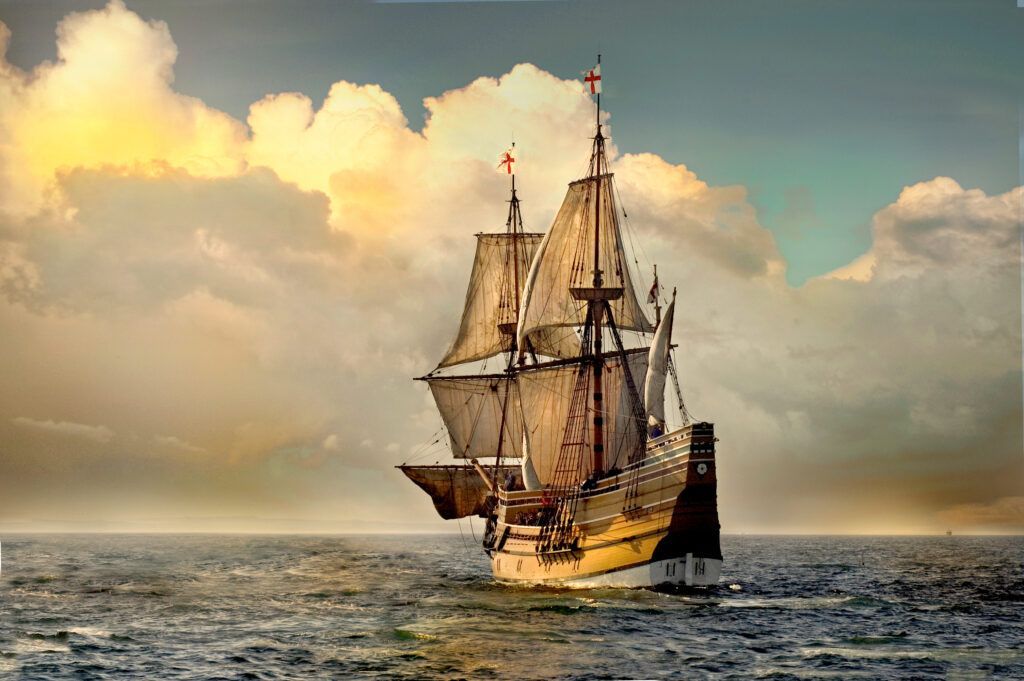
The Age of Exploration witnessed a surge in maritime activity as sailors set out to chart new territories and trade routes. Innovations in navigational instruments such as quadrants and cross-staffs enabled explorers to measure angles and distances accurately. Despite the challenges of navigating uncharted waters, discoveries during this era reshaped the world map and propelled maritime trade and exploration to new heights.
Industrial Revolution and Early Modern Navigation
The Industrial Revolution ushered in a new era of technological advancements that transformed navigation once more. Precision timekeeping became essential for calculating longitude, leading to the invention of chronometers. Steam-powered vessels revolutionized sea transportation, while navigation aids such as lighthouses and buoys provided valuable guidance for sailors navigating treacherous waters.
20th Century Navigation
The 20th century saw rapid advancements in navigation technology, driven by modern shipping and warfare demands. Radio transmission became indispensable for maritime communication and navigation. Electronic navigation systems like radar and sonar revolutionized naval operations, offering sailors enhanced capabilities for detecting obstacles and navigating in adverse weather conditions. Introducing the Global Positioning System (GPS) gave sailors unprecedented accuracy in determining their position anywhere globally.
Modern Navigation Systems
In the modern era, navigation systems have evolved to encompass satellite technology and digitalization. Satellites have become integral to navigation, enabling precise positioning and real-time tracking of vessels. Electronic charting and navigation software have replaced traditional paper charts, offering sailors intuitive route planning and navigation tools. Automation and digitalization have streamlined navigation processes, increasing efficiency and safety at sea.
Future Trends in Navigation
Looking ahead, the future of navigation holds exciting possibilities. Continued advancements in satellite navigation systems promise even greater accuracy and reliability. Integrating artificial intelligence into navigation decision-making could revolutionize how sailors plan and execute their voyages.
Furthermore, sustainability and environmental considerations will play an increasingly important role in shaping the development of navigation technology. These priorities can ensure the preservation of our oceans, rivers, and lakes for future generations.
Work With Archway Marine Lighting
The evolution of vessel navigation systems is a testament to human ingenuity and perseverance in the face of the unknown. By understanding the journey of navigation through time, we gain a deeper appreciation for the challenges faced by sailors of the past and the possibilities that lie ahead in charting the course of maritime exploration and discovery.
The inland marine industry is essential to many areas, so it is vital to have the right equipment and team to consult with. At Archway Marine Lighting, we have been in the industry as a supplier for 30 years. Check out our catalog, and let’s connect today!
The post The Evolution of Vessel Navigation appeared first on Archway Marine.