Marine Lighting Do’s and Don’ts
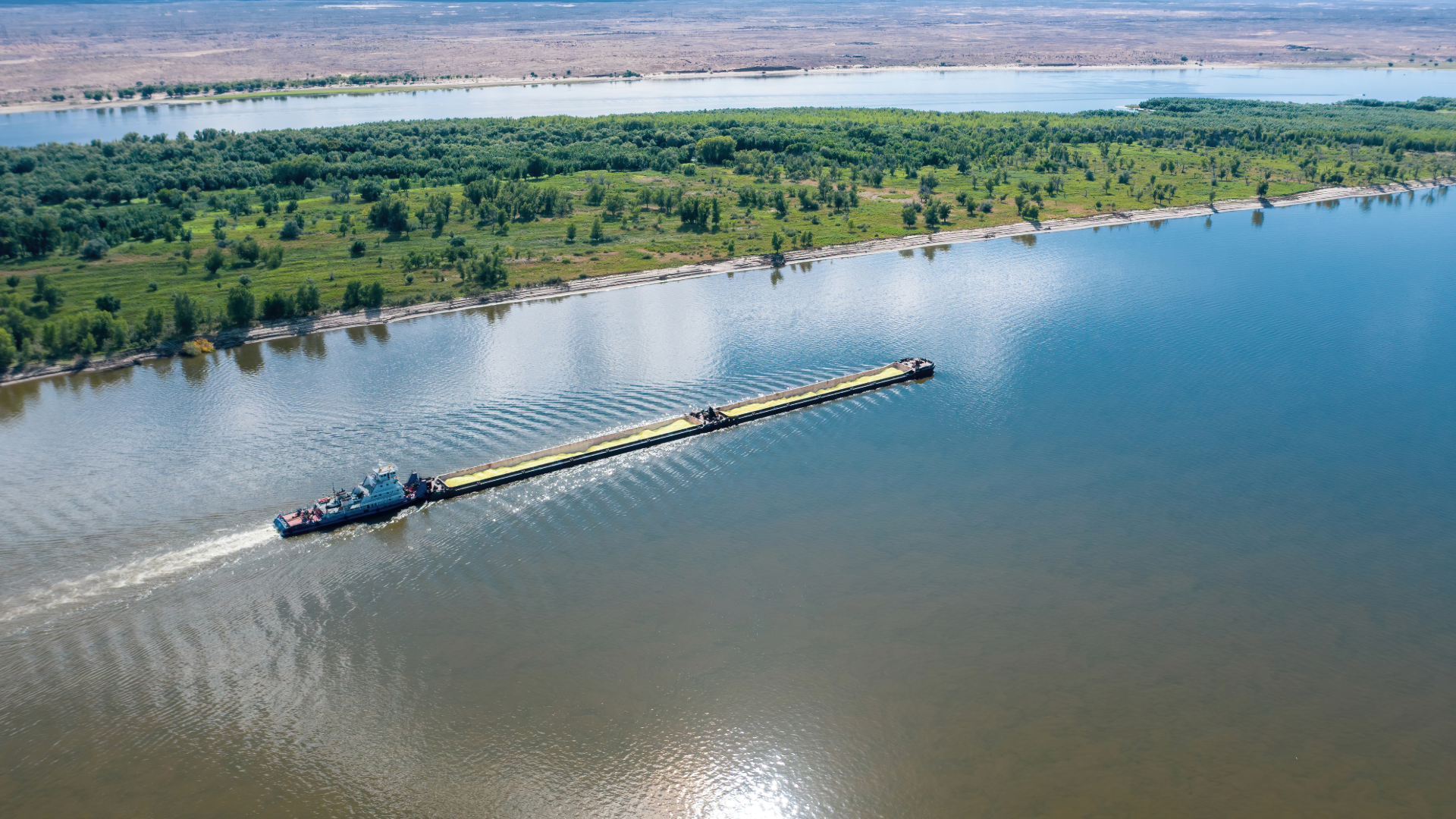
Commercial boating can be a dangerous industry. Navigators know that no matter the waters, their vessel’s lighting must be top-notch. Additionally, knowing the dos and don’ts of marine vessel lighting is essential to ensure safety and compliance. Proper lighting is necessary for maintaining visibility on the water, preventing accidents, and avoiding costly fines.
Do: Follow Regulations and Guidelines for Marine Vessel Lighting
Maritime authorities have established regulations and guidelines for marine vessel lighting to ensure safety and uniformity. These regulations specify the types of lights required, their positioning, color, and visibility range. Familiarizing yourself with these regulations is essential to avoid violations and ensure your vessel is compliant.
The International Regulations for Preventing Collisions at Sea (COLREGs) outline the lighting requirements for vessels of different sizes and types. These regulations provide specific guidelines for navigation lights, including each light’s color and arc of visibility.
In addition to the COLREGs, local maritime authorities may have specific regulations and requirements. It’s essential to research and understand the rules applicable to your area of operation. Failure to comply with these regulations can result in fines, penalties, or even the revocation of your vessel’s operating license.
Do: Choose the Right Lighting for Your Marine Vessel
Choosing the proper lighting for your marine vessel is crucial to ensure compliance, safety, and efficiency. Consider the following factors when selecting your vessel’s lighting:
- Legal Requirements: Start by understanding the lighting regulations and guidelines applicable to your vessel’s size, type, and area of operation. Ensure your chosen lights meet the specified color, visibility, and positioning requirements.
- Quality and Reliability: Invest in high-quality, marine-grade lighting fixtures that withstand the harsh marine environment. Look for lights that are waterproof, corrosion-resistant, and durable. Cheap and inferior-quality lights may not provide adequate illumination or fail prematurely, leading to safety issues and costly replacements.
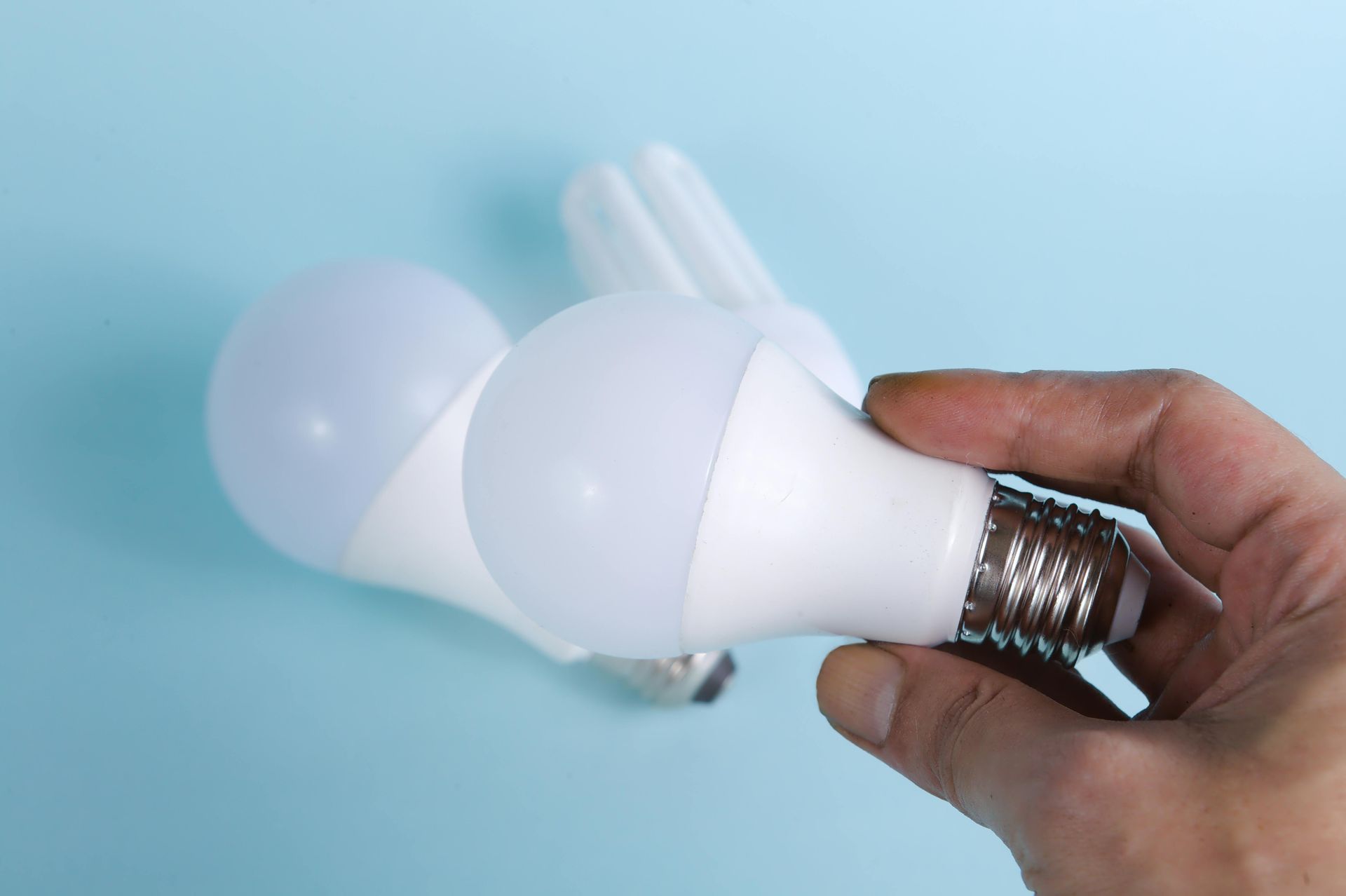
- Energy Efficiency: Opt for energy-efficient lighting solutions to minimize power consumption and extend battery life. LED lights are an excellent choice as they consume little energy, produce minimal heat, and have a longer lifespan than traditional incandescent or halogen lights.
- Lighting Control Systems: Consider integrating lighting control systems that allow you to adjust the intensity or color of the lights as needed. These systems can benefit underwater or deck lights, providing flexibility and enhancing the boating experience.

Do: Installation and Maintenance of Marine Vessel Lighting
Proper installation and maintenance of marine vessel lighting are essential to ensure optimal performance and longevity. Follow these best practices to install and maintain your vessel’s lighting:
- Professional Installation: Have a professional install your vessel’s lighting; they will ensure the lights are correctly wired, securely mounted, and in line with the regulations. Improper installation can lead to electrical issues, water ingress, or misalignment, compromising safety and compliance.
- Regular Inspections: Inspect your vessel’s lighting to identify issues such as loose connections, damaged wires, or water ingress. Address these issues promptly to prevent further damage and ensure the lights function correctly.
- Routine Cleaning: Keep your vessel’s lights clean and free from dirt, dust, or salt residue. Regularly clean the lenses and housing using a mild soap or cleaning solution, and avoid using abrasive materials that can scratch or damage the lights.
- Bulb Replacement: If your vessel’s lights use replaceable bulbs, keep spare bulbs onboard and replace them as soon as they burn out. Ensure you have the correct replacement bulbs that meet the required specifications.
- Corrosion Prevention: Apply an appropriate corrosion inhibitor or protective coating to the lighting fixtures to prevent corrosion caused by saltwater exposure. Regularly check for signs of corrosion and address them promptly.
Don’t: Make Common Mistakes with Marine Vessel Lighting
- Using Incorrect Lights: Using lights that do not meet the specified requirements can lead to violations and compromise safety. Ensure you select lights suitable for your vessel’s size, type, and area of operation.
- Poor Positioning: Incorrect positioning of navigation lights can confuse other boaters and increase the risk of collisions. Follow the regulations and guidelines when positioning your vessel’s lights, ensuring they are visible from the required distance and angles.
- Neglecting Maintenance: Failing to inspect and maintain your vessel’s lighting regularly can result in malfunctioning lights, reduced visibility, or even electrical issues. Make maintenance a priority to ensure your lights are always in optimal condition.
- Overlooking Power Consumption: Using inefficient lighting solutions can drain your vessel’s battery quickly, leaving you without proper lighting when needed. Opt for energy-efficient LED lights to minimize power consumption and extend battery life.
Do: Check Out Innovations in Marine Vessel Lighting Technology
Marine vessel lighting has witnessed significant technological advancements in recent years. These innovations have led to the development of lighting solutions that are more efficient, durable, and versatile. Here are some notable technological advancements in marine vessel lighting:
- LED Lighting: LED technology has revolutionized marine vessel lighting. LED lights offer improved energy efficiency, longer lifespan, and brighter illumination than traditional lighting. They are now the go-to choice for vessel owners seeking reliable and sustainable lighting solutions.
- Smart Lighting Systems: Smart lighting systems allow boat owners to control and customize their vessel’s lighting using smartphone apps or dedicated control panels. These systems offer dimming, color-changing, and synchronized lighting effects, enhancing the boating experience.
- Solar-Powered Lights: Solar-powered lights are an eco-friendly alternative for vessel owners looking to reduce their environmental footprint. These lights harness solar energy during the day and use it to illuminate the vessel during nighttime or low-light conditions, eliminating the need for batteries or additional wiring.
- High-Intensity Discharge (HID) Lights: HID lights, such as xenon or metal halide lamps, provide intense illumination and are often used in searchlights, floodlights, or spotlights on larger vessels. These lights offer long-range visibility and are particularly useful for commercial or emergency vessels.
- Wireless Lighting Controls: Wireless lighting controls eliminate complex wiring and allow boat owners to install and control their vessel’s lighting easily. These systems use wireless communication technology to sync multiple lights, adjust intensity, and change colors, providing flexibility and convenience.
Work With Archway Marine Lighting
The inland marine industry is essential to many areas, so it is vital to have the right equipment and team to consult with. At Archway Marine Lighting, we have been in the industry as a supplier for 30 years.
Check out our catalog, and let’s connect today!
The post Marine Lighting Do’s and Don’ts appeared first on Archway Marine.