Safety Tips for Boating at Night
Heading out onto the water at night can be a wonderful experience, but you don’t want to forget about safety. From adding LED lights to taking the proper precautions, you should be doing plenty of things to stay safe while boating at night. Below are three safety tips for boating at night that you should follow:
1. Take the Right Safety Precautions
To stay safe in your boat, it’s always essential that you take the correct safety precautions – even during the day. At night it’s highly recommended that you:
- Go slow, as it will help you recognize hazards and unlit objects, including buoys and other boats
- Don’t go alone, as a lookout can help you navigate the nighttime waters
- Have the right resources when visibility is low such as chartplotters
- Check tide and weather reports before you head out
- Double-check your electronics, lights, fuel, and engine before leaving
- Understand how distances can be distorted at night and how that affects your docking
- Watch for running and marker lights
- Don’t use your boat headlights at night, as they will reflect on the water
- Don’t listen to loud music, as you could miss sounds from fog horns or other boats
- Keep safety devices in easy-to-access areas, including binoculars, strobe lights, glow sticks, and life jackets
2. Choose the Right LED Lights for Your Boat
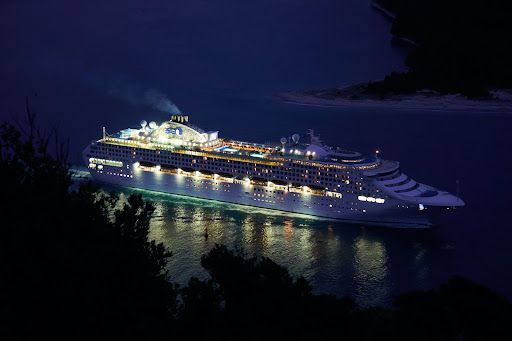
Of course, keeping your LED lights on at night is also essential. While you may want to enjoy the night sky or a lightless space, doing so can put you and others at risk. If another boat can’t see you, they may run into you – even if they’re doing everything right.
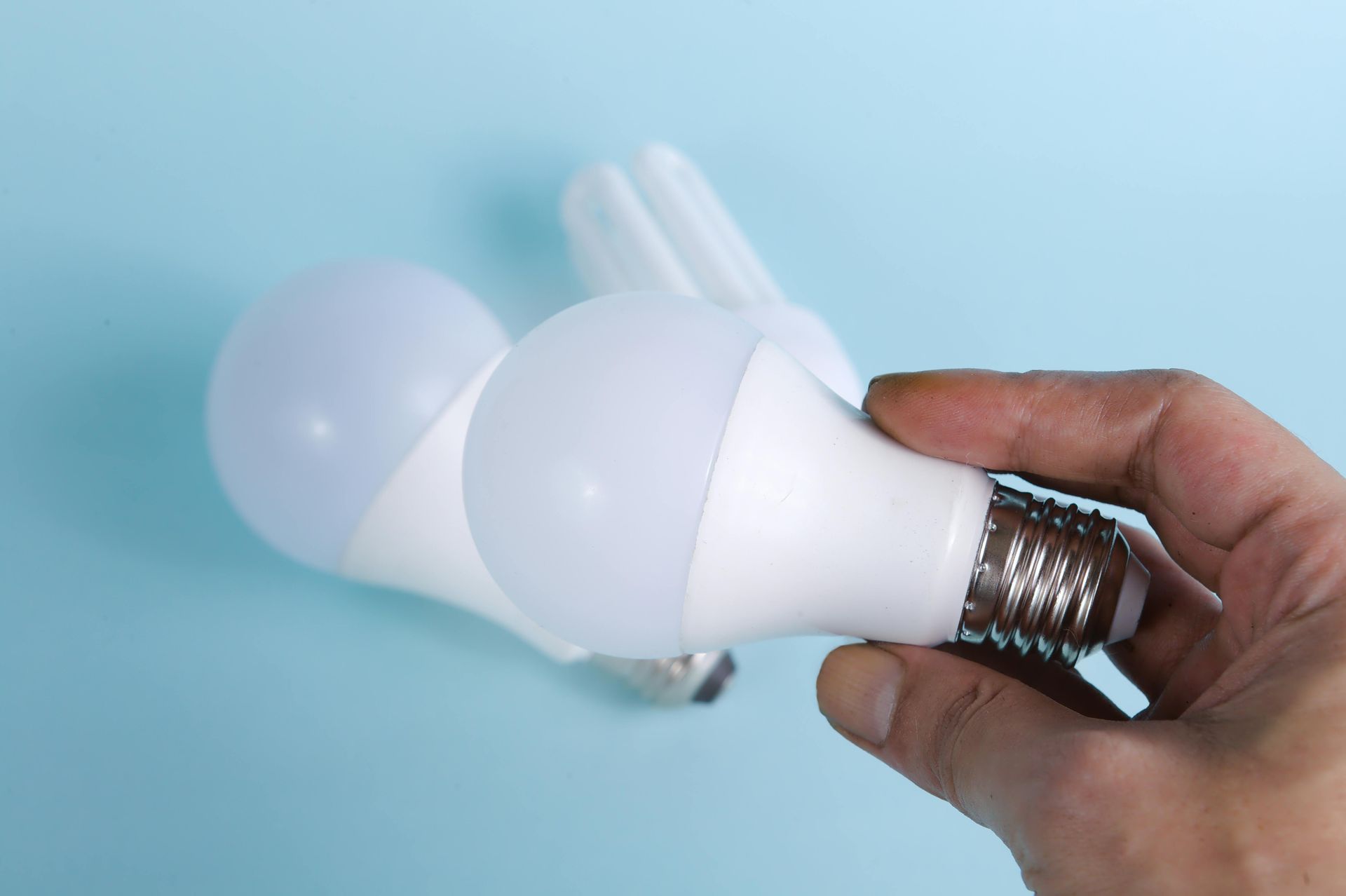
Therefore, you must choose adequate lighting. Failing to select the right option can impact your night vision – even if it helps others see your boat. You want to find the right balance. Cabin boat, deck, courtesy, and chartplotter LED lights are necessary, but they should be turned down at night, so you’re not affecting your ability to see ahead. Spotlights should only be turned on when you see another boat or you need to locate objects on the docks, including lines and handrails – as mentioned above, they reflect on the water, making it difficult to see.
3. Choose the Right Exterior Lighting for Inland Waterways
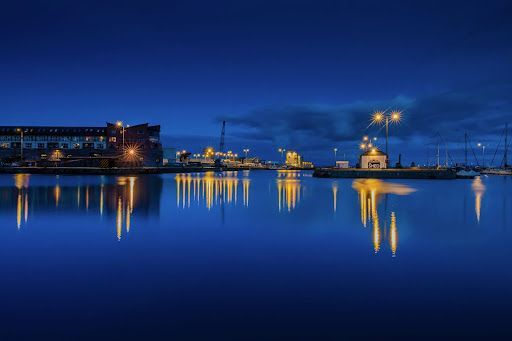
Lighting isn’t only essential for your boat – it’s a must for waterways and docks. However, not all LED lights will work for all docks and waterways. Many factors come into play here, including landscape plans, blueprints, sustainability, property maps, and more! But choosing the correct lighting for your space will improve safety as it will be easier to dock, locate other boats, and improve safety overall– even in the dead of night.
Safety should always come first when you’re on the water, day or night. However, taking the proper precautions, such as having safety gear nearby and choosing the correct LED lights, can help ensure you stay safe whether you’re out at midnight or noon.
Understanding the right LED lighting for your boating needs may be an uphill battle. After all, there are tons of options out there for you to choose from. How can you possibly know the correct ones to go with? Archway Marine Lighting can help you identify the best lighting options for your needs, wants, and budget. Contact us today to get started!
The post Safety Tips for Boating at Night appeared first on Archway Marine.