Dredging and the Inland Marine Industry
Our rivers, lakes, and streams all play a crucial role in the environmental life of the United States. Our inland waterway systems are places for wildlife, recreation, transportation, and more. Dredging is one of the many processes that keep these waterways healthy and functional. As people continue to build property and live around our inland waterway systems, it is crucial to understand dredging and the inland marine industry.
What is Dredging?
Sedimentation is a naturally occurring process where sand, small rocks, debris, and silt settle at the bottom of a body of water. Some sedimentation is not typically an issue, but if too much sediment builds up from severe storms or runoff from human activities, the health of the body of water is at risk. This is where dredging comes in: dredging is the removal process of the sediment at the bottom of inland bodies of water. Dredging can be done with special equipment that sucks up unwanted sediment and pumps it out.
How Does Dredging Work?
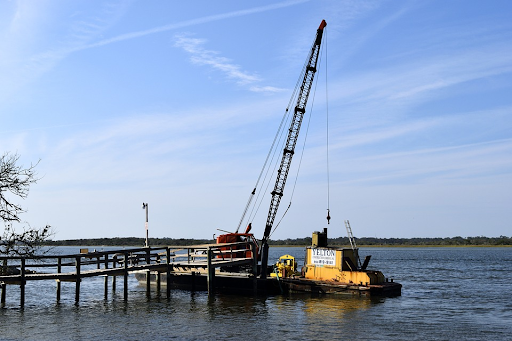
Dredging can be complicated in certain situations, but the process itself is relatively simple. A dredge is either submerged or partially submerged in the body of water from which sediment needs to be removed. The operator turns the dredge on, and then the machine acts like a vacuum and sucks up sediment and larger debris while water is filtered back out. Once the desired amount of sediment is removed, the dredge can hold the waste until it can be disposed of properly.
Commercial and Industrial Benefits
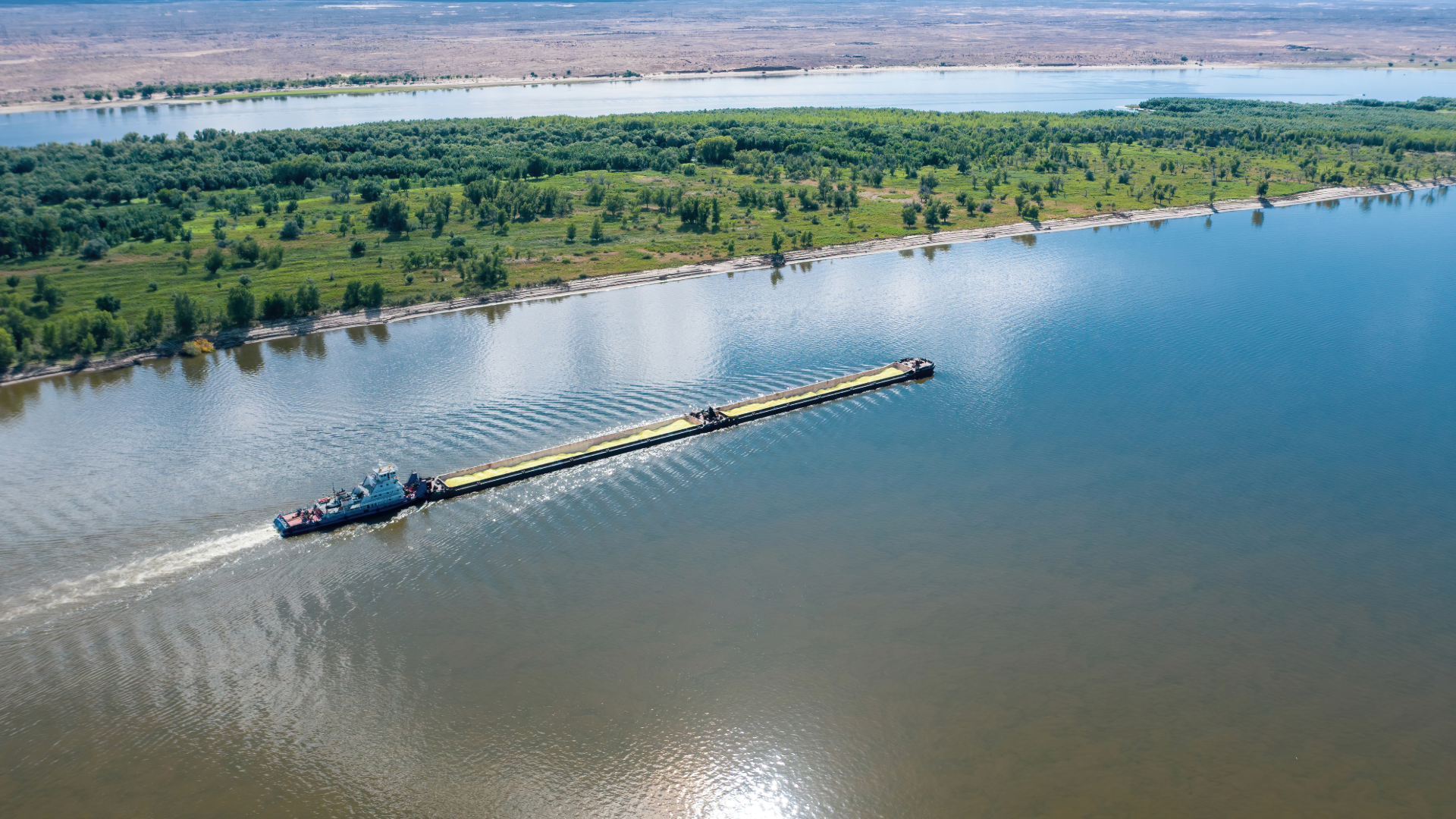
Dredging helps prepare the waterway for several commercial and industrial tasks. If a waterway is cleared of excess sediment, larger transport barges or ships can navigate the waterway more efficiently. When building bridges across a body of water, the construction companies will use dredging as a form of excavation to be sure the bridge materials will be placed where they should be. In fact, the waste sediment after dredging can even be used in other construction projects.
Environmental Benefits
Dredging, when done correctly, also can benefit the environment. Removing debris and potential trash or runoff helps to clean the body of water and improve water quality. Plant life and aquatic life can suffer from a lake being eutrophied, which is when algal blooms on the top of the lake prevent sunlight from reaching the bottom of the lake, and a dead zone forms at the bottom of the lake. When dredging removes runoff, algae is less likely to form on the water’s surface. Further, dredging can also help to restore the shoreline for animal and plant life.
Types of Dredges
There are a few types of dredges to accommodate the different needs of waterways. Plain-suction and cutter-suction are the most used types of dredges. They both rely on suction to remove the sediment, but the plain-suction uses suction alone with the cutter-suction has a cutting mechanism to break up tough debris. Auger-suction dredges burrow into the debris and bore small holes to loosen and suck it up. A more advanced job might use a jet-lift dredge, uses a high volume of water to pull in the debris.
Most Common Places to Dredge
Although many inland waterways could benefit from dredging, certain locations are more commonly dredged. After a natural disaster like a tropical storm hits an area, the inland bodies of water are often dredged for the debris that the storm pushed in. Lakes and rivers where people fish, commercially or recreationally, are dredged often to keep the water quality and fish health in check. Canals where barges or transport ships pass through also need to be dredged frequently for the smooth passage of these vessels.
Equipment Used
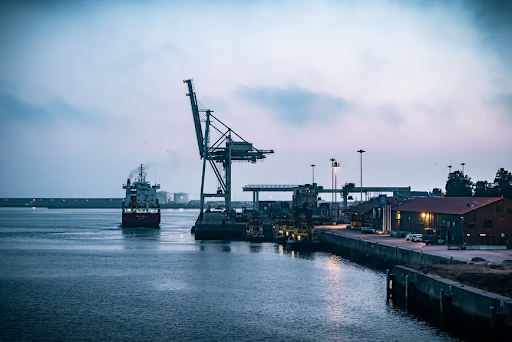
Beyond the types of dredges themselves, other equipment can be used during the process. Personal safety equipment should always be available for dredge operators and supervisors working near the site. Larger construction vehicles may be needed to move the excess sediment and debris to a waste site. Hand tools can be used to clean up the shoreline around the waterway after the dredging project is done.
Archway Marine Lighting Has You Covered
The inland marine industry is essential to many areas, so it is important to have the right equipment and team to consult with. At Archway Marine Lighting, we have been in the industry as a supplier for 30 years. Check out our catalog, and let’s connect today!
The post Dredging and the Inland Marine Industry appeared first on Archway Marine.