Cold Weather Commercial Boating Tips
As the colder months roll in, commercial boaters face unique challenges when navigating their vessels along inland waterways. While the North and Midwest regions of the United States are rich with major rivers, the onset of cold weather requires extra preparation to ensure the safety of both crew and cargo. In this blog post, we’ll discuss eight tips to help commercial boaters keep their vessels, freight, and personal well-being intact during the colder months.
Regular Maintenance for Cold-Weather Boating
Before setting sail into cold weather conditions, ensuring your vessel is in optimal condition is crucial. Here are some maintenance tasks to consider:
- Engine Check : Inspect your engine thoroughly. Cold weather can be brutal on machinery, so ensure it runs smoothly and efficiently. Replace any worn-out components.
- Heating Systems : Check your vessel’s heating systems; a warm cabin is essential for crew comfort and safety. Ensure the unit is in working order and all vessel areas are adequately ventilated.
- Electrical Components : Verify that all electrical components are functioning correctly. Cold weather can strain electrical systems, so having them in top shape is essential.
- Hull Inspection : Examine the hull for any signs of wear or damage. Address any issues promptly to prevent leaks or other problems in cold conditions.
Proper maintenance helps prevent unexpected breakdowns and ensures your vessel is ready to face the challenges of colder weather.
Inspecting Safety Equipment
Safety should be a top priority when navigating in colder weather. Before setting off, ensure all safety equipment is in good working order.
- Life Jackets : Check life jackets for wear and tear. Ensure that all crew members have enough jackets and that they fit correctly.
- Fire Extinguishers : Inspect fire extinguishers to ensure they are fully charged and ready for use.
- Navigation Lights : Verify that navigation lights are functioning correctly. Good visibility is crucial during cold and foggy conditions.
Cold-Weather Clothing
Cold weather can be unforgiving, especially when on the water. Here are some clothing recommendations to keep you and your crew warm:
- Insulated Waterproof Jackets : Invest in insulated waterproof jackets to protect against cold and wet conditions.
- Gloves : Ensure crew members have warm gloves to prevent frostbite and maintain dexterity.
- Thermal Boots : Keep feet warm and dry with thermal boots that offer insulation and waterproofing.
- Layered Clothing : Dress in layers to regulate body temperature. Multiple layers trap heat more effectively than a single thick layer.
Proper clothing is essential for crew comfort and safety, as hypothermia and frostbite are real risks in colder weather.
Anti-Icing and De-Icing
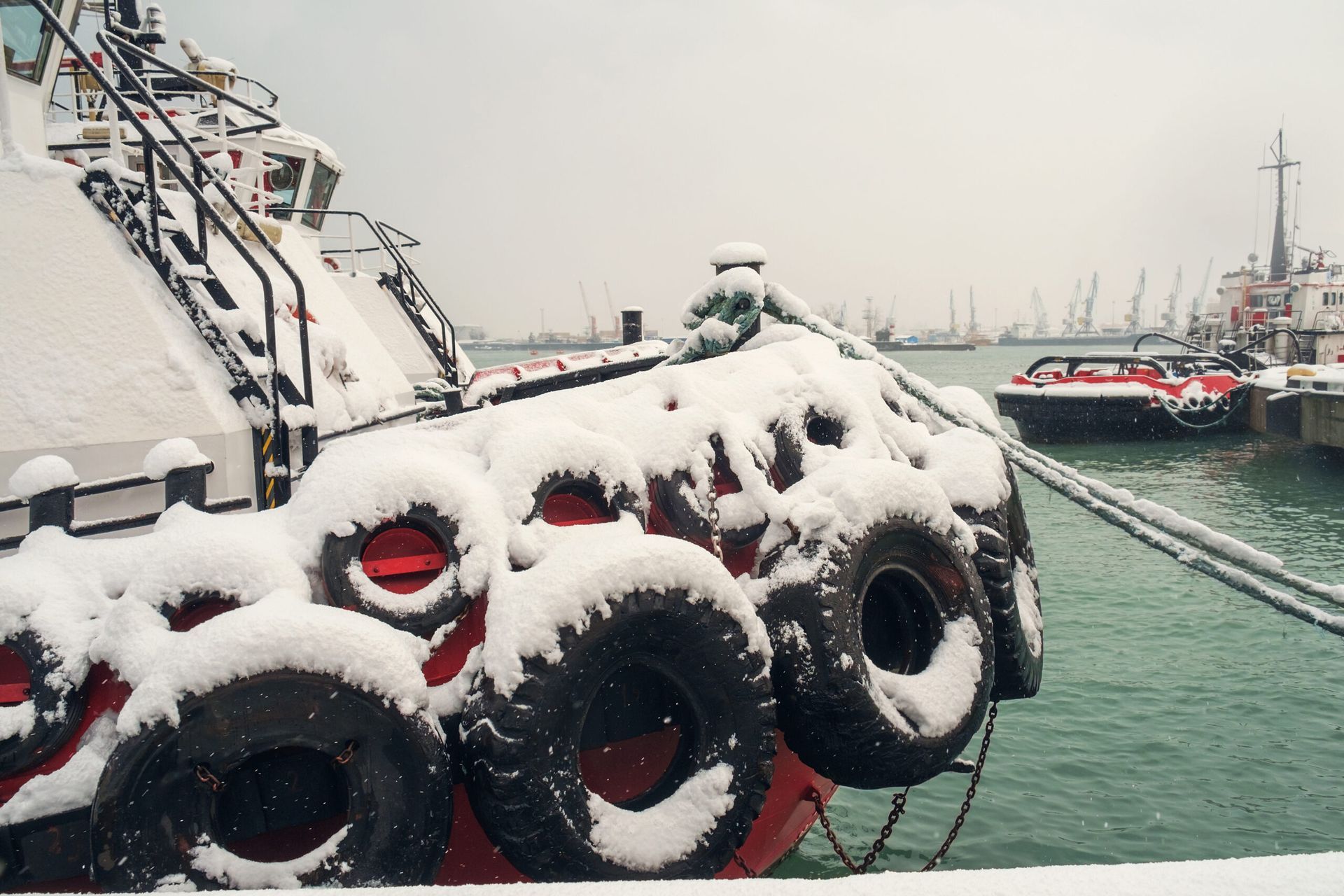
Ice buildup on your vessel can be a significant hazard in cold weather. To combat this, consider the following:
- De-Icing Agents : Stock up on de-icing agents like rock salt or calcium chloride. These substances can help prevent ice accumulation on the deck and superstructure.
- Ice Scrapers : Have ice scrapers and other necessary tools on board to remove ice when it does accumulate.
Taking proactive measures against ice buildup can prevent accidents and maintain vessel stability.
Heating Systems Onboard
A well-heated cabin is essential for crew comfort and safety in cold weather. Here are some considerations regarding heating systems:
- Efficient Heating : Ensure your vessel’s heating system is efficient and in good working condition. Properly ventilate the heating system to prevent the buildup of dangerous gases.
- Backup Heating : Always have a backup heating source available in case of a malfunction. This redundancy can save lives in extreme cold.
A warm and comfortable cabin can significantly affect the crew’s ability to operate effectively during cold weather.
Weather Monitoring
Staying informed about weather conditions and forecasts is crucial when navigating cold weather. Consider the following:
- Weather Monitoring Equipment : Invest in reliable radar equipment or subscribe to weather services that update your route.
- Weather Apps : Use weather apps or websites to track real-time weather conditions and receive timely alerts about changes in weather patterns.
Navigating in severe weather conditions can be dangerous, so always plan your route according to the latest weather information.
Cargo Management in Cold Weather
If you’re carrying cargo, extra precautions are necessary to ensure its stability in colder months. Here are some tips:
- Secure Cargo Properly : Ensure cargo is securely loaded and adequately secured according to regulations.
- Weight Distribution : Pay attention to weight distribution to maintain stability, especially in icy conditions.
- Cargo Insulation : If carrying temperature-sensitive cargo, consider insulation to prevent freezing or damage.
Proper cargo management is essential to maintain stability and prevent accidents during cold-weather voyages.
Emergency Preparedness
Lastly, preparing for emergencies during cold weather boating is essential. Develop and communicate an emergency plan that covers the following:
- Emergency Supplies : Stock your vessel with first-aid kits, flares, emergency blankets, and other essential supplies.
- Crew Training : Ensure your crew is well-trained in emergency procedures, including man-overboard drills and equipment use.
- Communication : Establish clear communication protocols for emergencies, including distress signals and calling for assistance.
In cold weather, swift and effective action is crucial in emergencies, so preparation is vital.

Work With Archway Marine Lighting
Navigating commercial vessels in colder weather requires careful planning, maintenance, and attention to safety. By following these eight tips, commercial boaters can ensure that their ships, cargo, and personal well-being remain intact during the colder months. Remember, preparedness and safety are paramount in cold weather boating, and taking the necessary precautions can make all the difference in a successful and safe journey.
The inland marine industry is essential to many areas, so it is vital to have the right equipment and team to consult with. At Archway Marine Lighting, we have been in the industry as a supplier for 30 years. Check out our catalog, and let’s connect today!
The post Cold Weather Commercial Boating Tips appeared first on Archway Marine.