A History of U. S Inland Marine Boating
Inland marine boating has played a pivotal role in developing the United States, especially in commerce and transportation. At Archway Marine Lighting, we aim to promote safety for commercial boaters operating in inland waters. To understand the significance of our mission, it is essential to delve into the rich history of inland marine boating.
In this blog post, we’ll journey through time to explore how inland marine boating has evolved in the United States from its humble beginnings to the modern era of sustainable and efficient transportation.
1700s – Early River Transportation
In the 1700s, as the United States was still taking shape, early settlers and traders faced the challenge of moving goods and people along the nation’s intricate network of rivers and waterways. Flatboats and keelboats became the workhorses of early river transportation to meet this need. These vessels, typically powered by oars, poles, or sails, enabled pioneers to navigate rivers like the Mississippi and Ohio. They were the unsung heroes of a burgeoning nation, laying the foundation for future innovations in inland marine transportation.
1807 – Steamboat Era Begins
The turning point for inland marine boating came in 1807 when Robert Fulton launched the Clermont, the United States’ first commercially successful steamboat. Powered by a steam engine, the Clermont successfully navigated the Hudson River, marking the beginning of the steamboat era. This innovation revolutionized inland transportation, making it faster, more reliable, and capable of carrying larger cargo loads. Steamboats quickly became a symbol of progress, connecting previously isolated regions and boosting economic development along the country’s river systems.
1820s – Canal Construction
In the 1820s, a surge in canal construction reshaped inland marine boating. Notable among these projects was the construction of the Erie Canal in New York, which connected the Great Lakes to the Atlantic Ocean. These canals were built with immense effort and engineering prowess and connected rivers and lakes to provide a more extensive and efficient inland waterway system. This development reduced travel time, lowered shipping costs, and facilitated the movement of goods between the East Coast and the expanding western frontier.
Mid-19th Century – Riverboat Gambling and Entertainment
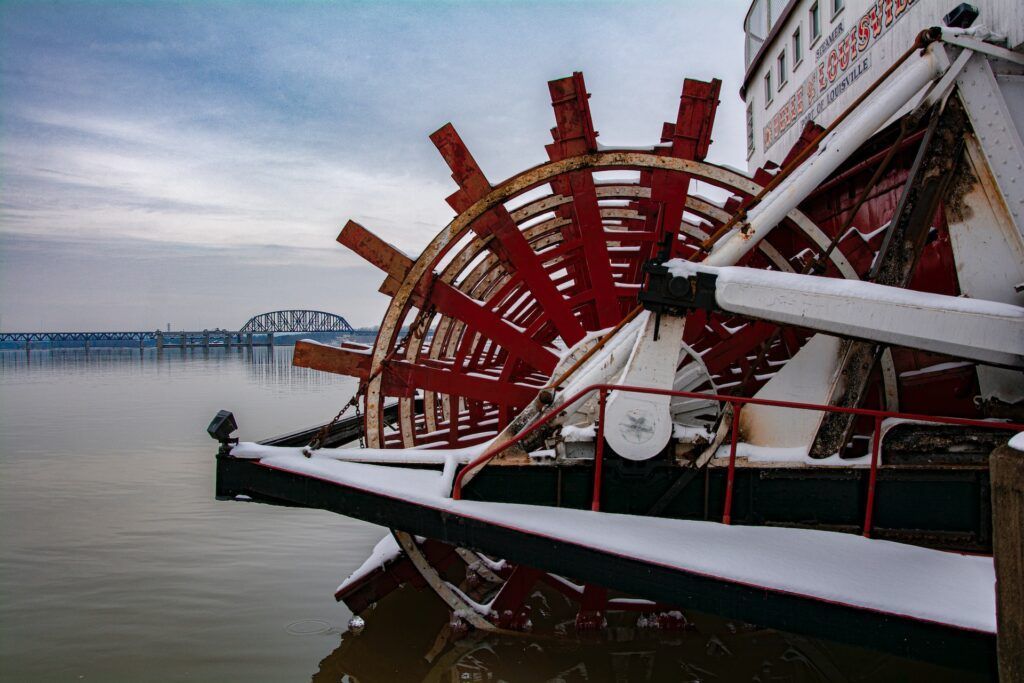
By the mid-19th century, steamboats had not only become essential for transportation but also centers of entertainment and indulgence. Steamboats turned into floating casinos, theaters, and social hubs along the Mississippi River. The riverboat gambling era saw the rise of luxurious paddle wheelers adorned with ornate interiors, hosting lavish parties and attracting travelers from all walks of life. This period contributed significantly to developing riverfront towns like New Orleans and St. Louis.
Late 19th Century – Rise of Towboats and Barges
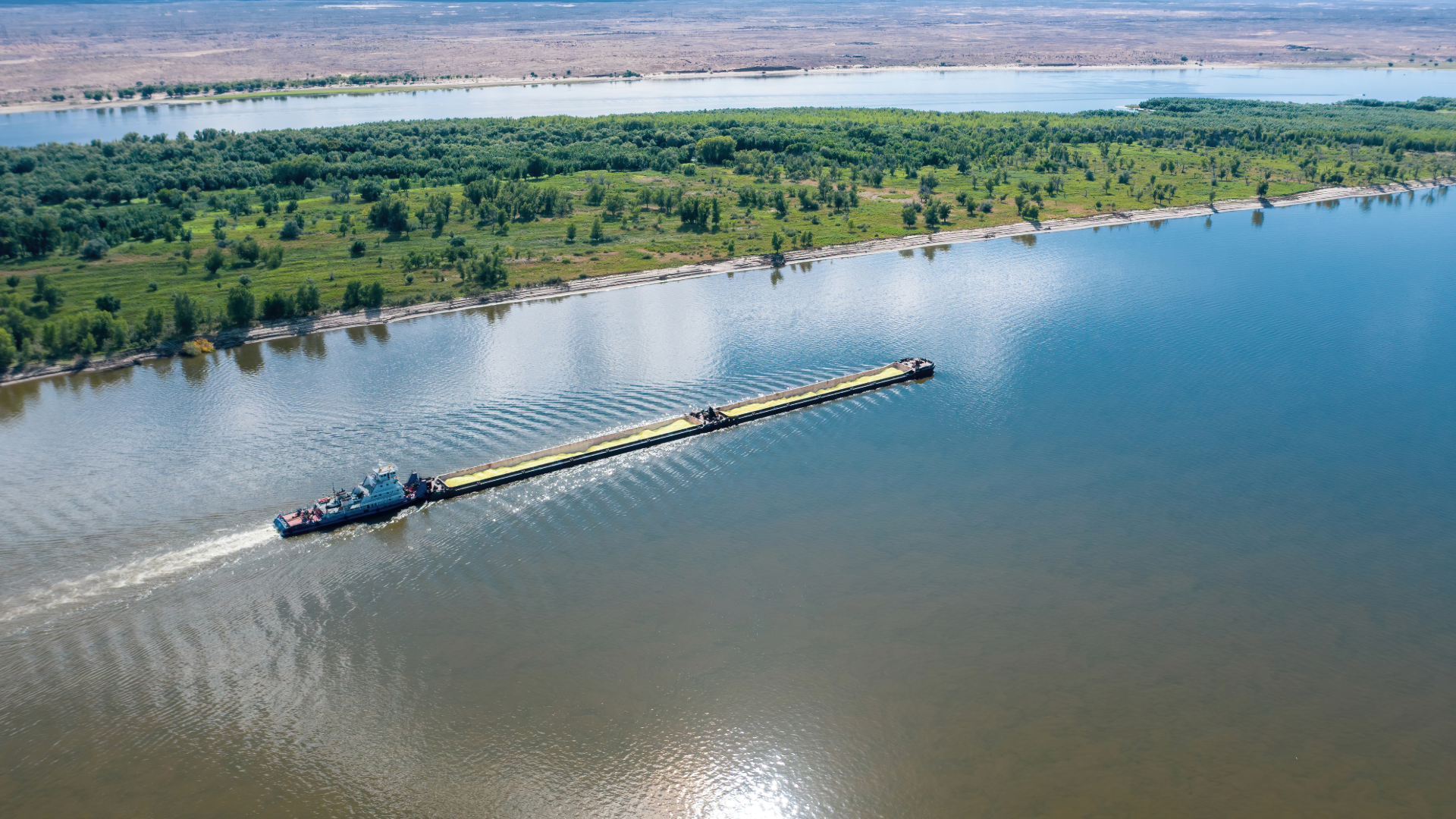
As the 19th century drew to a close, the inland marine industry underwent a profound transformation with the rise of towboats and barges. Towboats, powered by steam engines or later diesel engines, were designed to pull strings of barges loaded with cargo. This development significantly increased the capacity and efficiency of inland shipping, making it a vital component of the nation’s commerce.
20th Century – Inland Waterway System Expansion
The 20th century saw the U.S. government’s commitment to expanding and modernizing the inland waterway system. The construction of locks and dams along major rivers improved navigation and allowed boats to navigate stretches of river with varying water levels. These infrastructure enhancements ensured the continued viability of inland marine transportation, even in the face of competition from other modes of transportation.
Post-World War II – Interstate Highway System Impact
In the post-World War II era, the construction of the Interstate Highway System led to a decline in the use of inland waterways to transport people and goods. However, inland waterways remained essential for specific types of cargo transport, such as bulk commodities like grain and coal. The unique advantages of water transportation, including its cost-effectiveness and reduced environmental impact, continue to be recognized.
21st Century – Sustainable Inland Marine Transportation
In recent years, there has been a renewed interest in harnessing the potential of inland waterways for sustainable transportation. With growing concerns about emissions and environmental impact, inland marine transportation has gained traction as an eco-friendly alternative. Efforts to reduce emissions, promote eco-friendly shipping practices, and maintain waterway infrastructure have been central to this movement. Inland marine boating holds promise as a vital component of a sustainable and efficient supply chain.
Work With Archway Marine Lighting
Inland marine boating has come a long way since the days of flatboats and keelboats in the 1700s. From the steamboat revolution to the construction of canals and the rise of towboats and barges, its evolution has mirrored the growth and development of the United States. While the advent of highways posed challenges, inland waterways remain indispensable for certain types of cargo transport. Today, with a renewed focus on sustainability and efficiency, inland marine boating is poised to continue playing a crucial role in the nation’s transportation landscape.
The inland marine industry is essential to many areas, so it is vital to have the right equipment and team to consult with. At Archway Marine Lighting, we have been in the industry as a supplier for 30 years. Check out our catalog, and let’s connect today!
The post A History of U. S Inland Marine Boating appeared first on Archway Marine.