Barge Access Safety Tips
Barge Access Safety Tips. Barge employment is a highly risky job, and there’s no shortage of resources available and safety guidelines to follow for preventing injuries in this like of work. Simply getting on a barge from the dock and disembarking from the barge can be dangerous, not to mention loading and unloading cargo. There are several factors that contribute to this risk:
- Because of the lack of standards, loading systems, ladders, and gangways must be adaptable to accommodate variations in ship sizes and lengths
- Ships on the water are always in motion, and access solutions need to be flexible enough to meet this full range of motion while still connected to the ship
- Variation in height depending on cargo and tides means that access needs to adjust to be higher or lower at any given moment
Knowing barge access safety risks
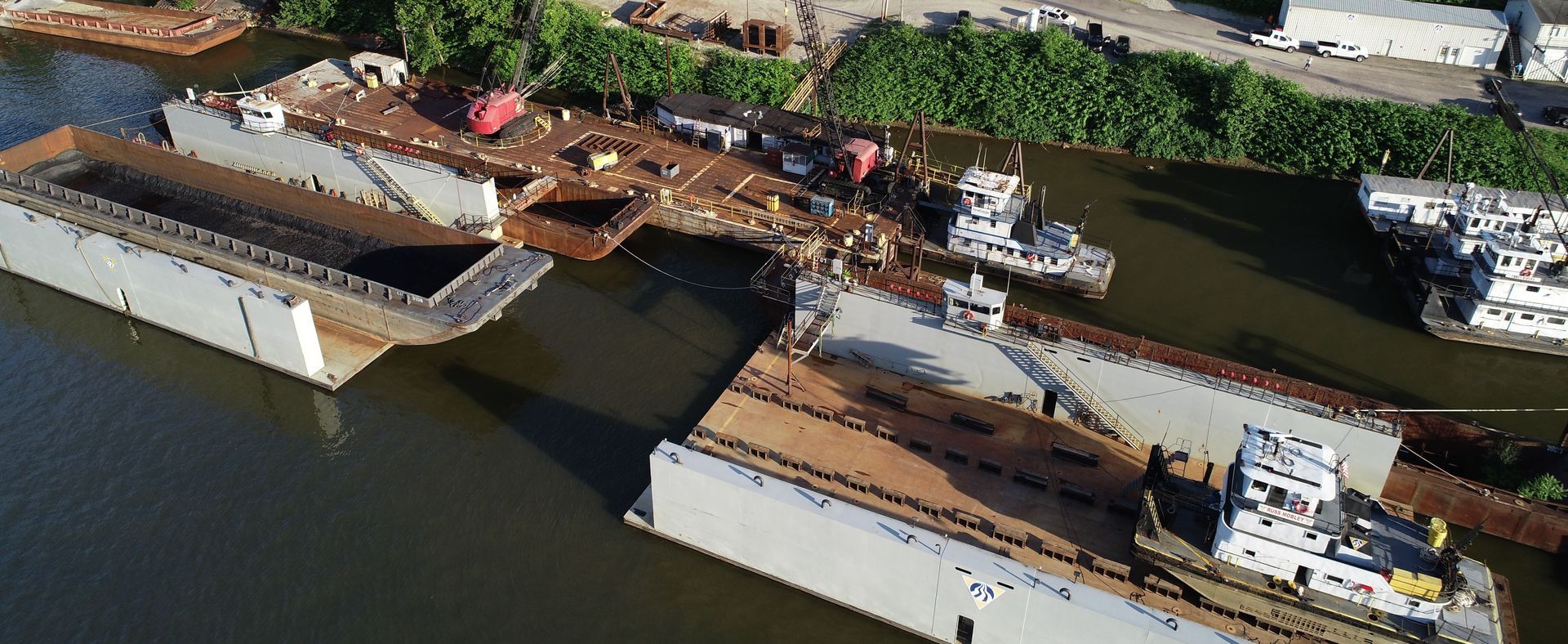
Finding access to safety solutions starts with understanding risks both on the barge and on the dock. Barges usually dock for one of two reasons — loading or unloading. Because most docks are built for cargo (and not people) take a close look at what could be standing in the way of employee safety as they get on and off the barge. Mitigate risks by looking at equipment that may be limiting space and making boarding complicated and potentially dangerous.
Falling into the water is also a major risk. Even if employees are wearing life jackets, there are other risk factors beyond drowning that could cause major injury or even death. Barge elevation, dock layout, and constant motion could create a situation where workers to be pressed between the barge and dock.
Choosing access solutions
Because of the above factors and risks, it’s important to understand that barge access solutions aren’t one-size-fits-all. While each access strategy will be unique, there are a few universal tools to consider having on hand.
Ship towers: These should be adjustable and allow for variations in barge equipment and height variations from cargo or tides. They should also be equipped to handle the precise connection of either telescopic or fixed gangways
Gangways: Offering secure access to the barge, gangways should be lightweight and include safety rails. Mounting options should provide both flexibility and precision to meet the barge at the exact height for safe access
Ladders: Choose ladders that are designed specifically for maritime use and are fabricated from aluminum which resists corrosion. Features can (and should) include anti-slip rungs and handrails for increased safety
Improving existing barge access safety solutions
Once the right solutions are in place, don’t get complacent and ignore basic barge access safety fundamentals. Shortcuts won’t help anyone save time or money if the end result is injury or death. Makeshift gangways are unacceptable, as are loose handrails, unsecured netting, and wet and slippery surfaces. It’s wise to have a checklist to ensure optimum barge access safety based on OSHA requirements, which include the following important points:
- Gangway is maintained in safe repair & secured
- Each side of the gangway has a railing with a minimum height of 33 inches
- Rails are made of wood, pipe, chain, wire or rope and are kept taut
- Each gangway is properly trimmed & equipped with midrails
- Walkway is provided if the gangway foot is more than 1’ away from the apron edge
- Supporting bridles are kept clear & drafts of cargo do not pass over the access point
These requirements can (and do) change often, so make safety training an integral part of onboarding new employees and continue to educate existing works when updates are made to OSHA guidelines. Even veteran barge workers who have been doing their job for years should be reminded of the fundamentals along with new rules.
Don’t ignore lighting
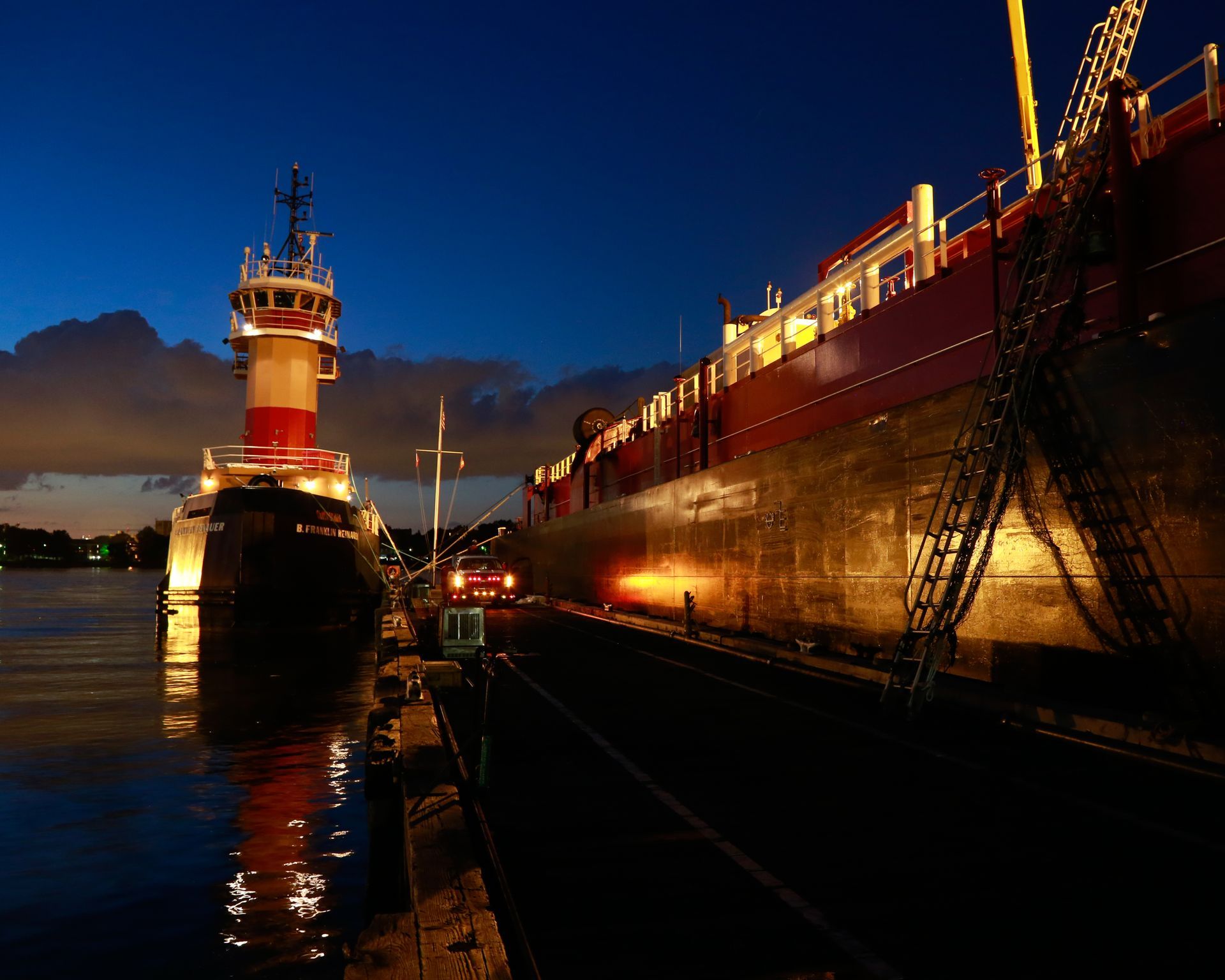
Another overlooked barge access safety risk is insufficient lighting. Even when all of the solutions are in place for workers to board and disembark, they still need proper marine lighting on the barge and the dock to illuminate their path. LED lights offer superior longevity and can be customized for every application to support other safety measures.
Don’t leave your employees in the dark when it comes to barge access safety. Work with a marine lighting company that has experience with barge access safety solutions, and can provide top-quality expertise and products. Archway Marine Lighting has been working with barge fleet and maritime decision-makers for over 30 years, and we can help design a lighting system that gives your most valuable assets (your employees!) safe and secure access on and off the docks.
The post Barge Access Safety Tips appeared first on Archway Marine.