Avoiding Common Tugboat And Barge Safety Hazards
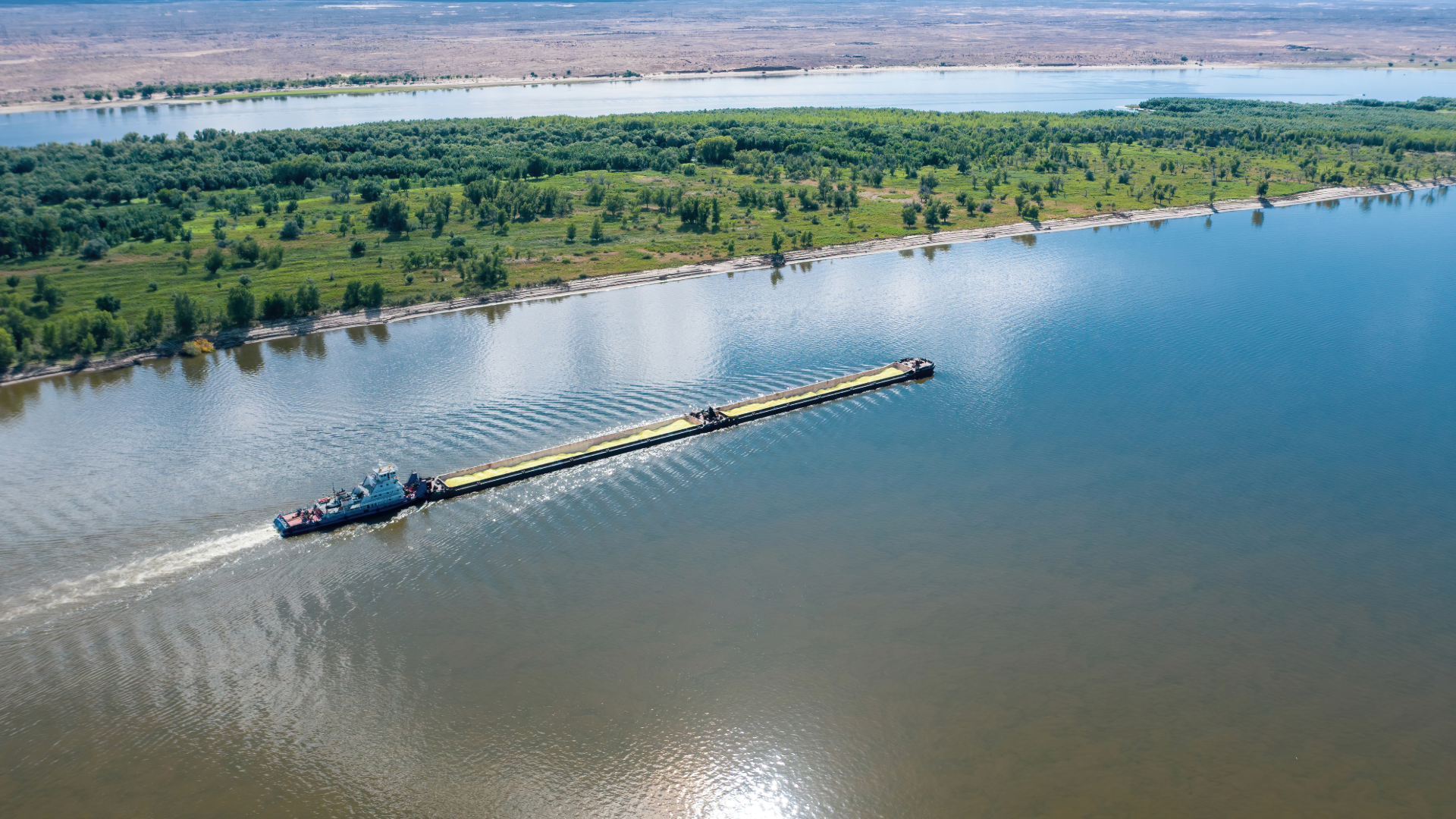
Working on inland waterways is an inherently dangerous profession, and tugboat and barge workers are especially susceptible to danger. There’s huge potential for danger across the industry, but some accidents are more common than others because of the inherent dangers.
Stranding and foundering are probably the most common losses experienced by tugs and barges. This is usually caused by one or a combination of factors such as engine failure, underpowered tug, outdated navigation charts, and towline or related tow gear failure. Capsizing is also commonly attributable to some of the above factors and sometimes caused by inadequate stow and/or securing of cargo which compromises stability or structural failure.
Another common accident would be a collision with other vessels. This is commonly caused by crew negligence, poor watchkeeping, inadequate display of lights and shapes by tugboat and/or barge, and defective navigation aids.
Others include fire losses, typically caused by poor housekeeping, unsafe practice, crew negligence, inadequate/poorly maintained fire-fighting equipment, and/or nature of cargo (inherent vice). In certain regions, piracy and hijacking is also a common occurrence; this can be caused by poor watchkeeping, poor voyage planning, and/or very little to no anti-piracy measures.
Knowing which dangers are most common and want to do to mitigate risk keeps everyone safe — on the water or off.
Tugboat Safety
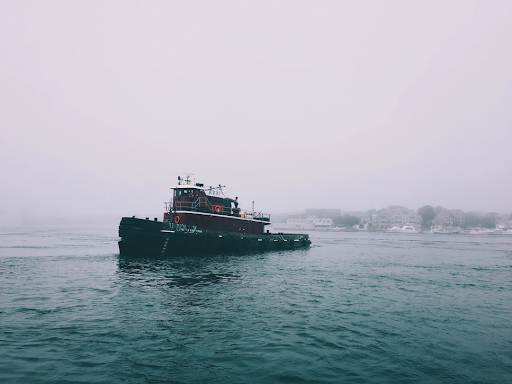
Tugboats offer high horsepower speeds, large towing lines, and heavy-duty winches and drums to get the job done. Those winches are part of what makes tugboats effective at towing barges, but they’ll also be the cause of extreme on-the-job injury. Crews can get entangled in these winch wires, and all of the towing equipment causes a tripping hazard. The tugboat deck leaves room for slippery conditions, heavy lifting, crushing injuries, or falling overboard. All of these present an incredible risk of accident or even death.
Barge Safety
Just as on tugboats, there’s no shortage of dangers on a barge. Fires can easily happen on deck barges, and you need to have prevention measures and tools to extinguish fires if they do pop up. Surface conditions should be ideal, coated in non-slip surfaces, and free of obstructions that could cause a fall overboard. Deck barges are confined spaces with limited room for movement, and the equipment being used on-board needs to be properly maintained to avoid mechanical-related accidents.
Safety On The Water
There are dangers to navigate as you travel the inland waterways too and there’s no match for the elements of nature. Large-scale vessels like barges on shallow waterways create suction that impacts vessel maneuverability. Barges must also frequently pass by each other in tight spaces like canals or narrow rivers. Operators must be highly trained to avoid collisions and handle them in case of emergency. Lack of preparation could leave cargo damaged or worse, barge worker injury.

On The Docks
Barge docks are primarily used for one of two reasons — loading or unloading — and built for cargo and not necessarily for people. Falling into the water is a big risk for employees working on docks, and even robust safety gear like a life jacket can’t protect against getting pinned between a dock and a vessel. Constant motion from barges on the water, movement of pedestrian traffic, and limited space are additional factors that complicate working on the dock. Create a checklist that addresses the following areas:
- The gangway is maintained, repaired, and secured
- Each side of the gangway has a railing with a minimum height of 33 inches
- Rails are made of wood, pipe, chain, wire, or rope and are kept taut
- Each gangway is properly trimmed and equipped with midrails
- The walkway is provided if the gangway foot is more than 1’ away from the apron edge
- Supporting bridles are kept clear and drafts of cargo do not pass over the access point
Continuing training and creating a culture of safety can go a long way towards reducing and even eliminating hazards. Ensure that your crew is certified to work on the specific vessel being operated, and there’s clear communication about what everyone will do in case of emergency.
You also need to ensure that your barges, tugboats, and docks are outfitted with the right tools and gear to maintain that culture of safety. Work with a barge supply company that has experience with tugboat and barge safety solutions, and can provide top-quality expertise and products. Archway Marine Lighting has been working with barge fleet and maritime decision-makers for over 30 years, and we can help provide these safety tools.
The post Avoiding Common Tugboat And Barge Safety Hazards appeared first on Archway Marine.