Inland Waterway Dock Damage and Repair
For organizations and individuals that invest time and money in keeping their vessels well-maintained, it only makes sense to keep the dock in good condition too. Besides posing a hazard to vessels, dock damage can create safety liabilities and even potential electrical issues.
Remember that the dock stays in the water just as much as those vessels do. There are many signs that your inland waterway dock needs some repair.
Supports
Currents along the inland waterways can break down dock supports over time and cause them to be damaged, bent, or fractured. Vessels can hit the supports and cause crack and warping as well. You can easily repair small supports, but larger supports with damage need to be replaced as soon as possible.
Rot
Docks are primarily made from synthetic materials, but plenty of wooden docks still operate along the inland waterways. Water seeps into natural wooden docks, and a fungus grows that creates dry rot, which leads to crumbling and decay of the deck lumber and planking.
Foundational Damage
Many docks along the inland waterways are anchored with foundational support referred to as piling. This concrete holds the dock’s structure securely, and even minor signs of damage like cracks need to be inspected and addressed promptly to avoid a complete replacement of the dock altogether.
Safety Issues
If a dock is being used as an access point for barges, it’s imperative to understand OSHA safety requirements and make updates if it’s non-compliant. Think about these important points to address:
- Gangway is maintained in safe repair and secured
- Each side of the gangway has a railing with a minimum height of 33 inches
- Rails are made of wood, pipe, chain, wire, or rope and are kept taut
- Each gangway is properly trimmed & equipped with midrails
- Walkway is provided if the gangway foot is more than 1′ away from the apron edge
- Supporting bridles are kept clear and drafts of cargo do not pass over the access point
Lack of Lighting
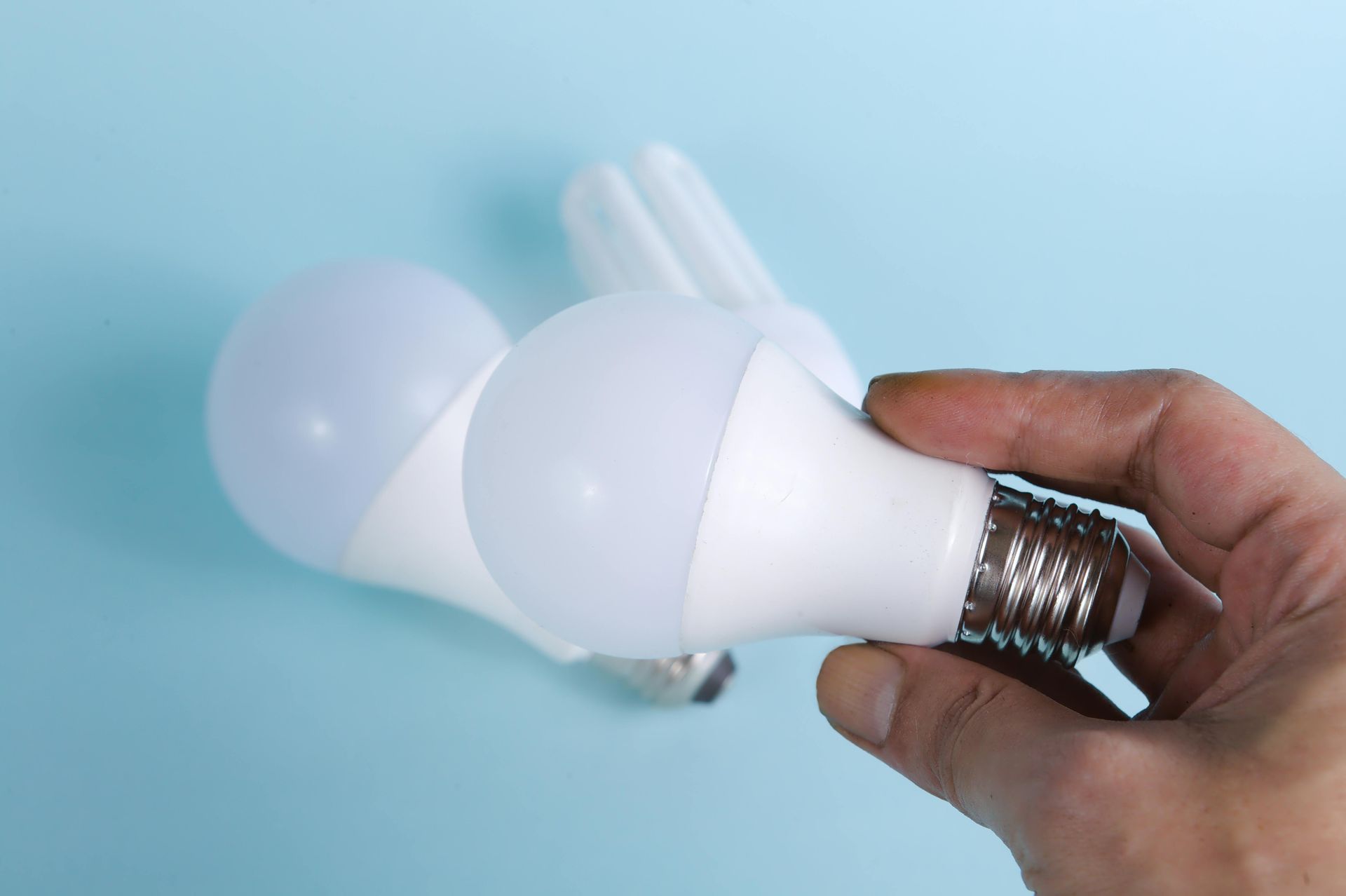
If traditional (incandescent or fluorescent) lighting fixtures are installed on the deck, they need to be replaced when they stop working. LEDs will indicate that they’re failing by becoming dimmer over time. In either case, it’s essential to speak with a marine lighting professional to help determine the best course of action. A lack of proper lighting can lead to severe repercussions, including barge and vessel collisions and dock damage.
Corrosion and Rust
Water along the inland waterways can be corrosive, especially if the water is brackish and includes a steady saltwater flow. Because there’s not a metal type that’s immune to corrosion or rust, any sign of such is a warning that bigger issues are ahead.
Aging
Even well-maintained, promptly repaired docks along the inland waterways age out of operation. With some wiggle room, the average age of a dock is 25 years – after that, it’s time to invest in a total replacement instead of continuing to pay for repairs. Mold, slime, and calcification are compounded over the years, so look for those.
Creaking and Wobbling
Both creaking and wobbling are signs that integral components of the dock need to be repaired. Creaking means that the foundation is looking for balance and support, and wobbling means that the connection to that foundation is failing. Check the foundation and joints thoroughly to know better which repairs are necessary. If you have any further questions, please reach out to our team.
The post Inland Waterway Dock Damage and Repair appeared first on Archway Marine.