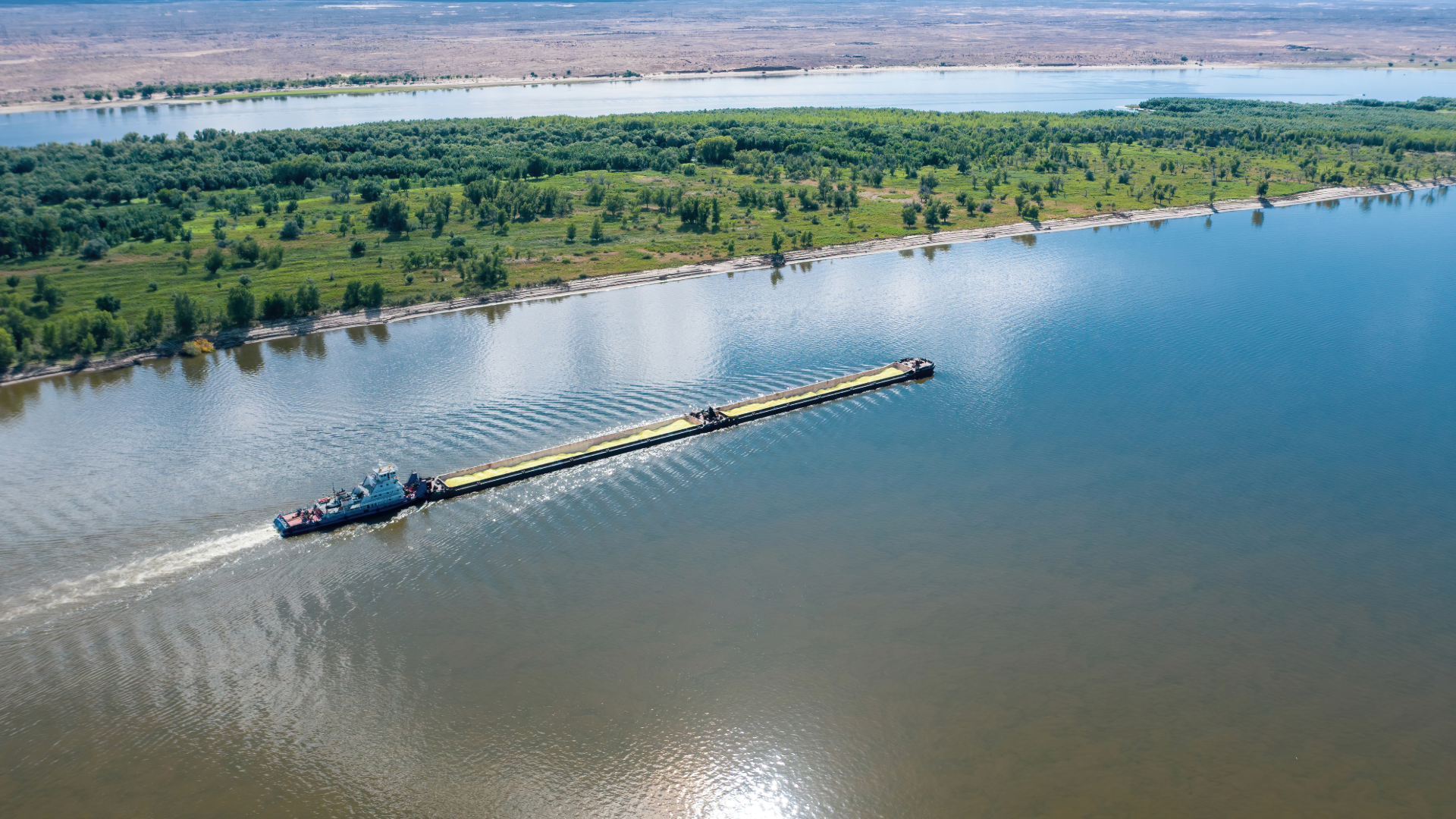
Supply Chain and Shipping Containers Outlook for 2024
The shipping and transportation industries play a pivotal role in the intricate dance of global trade and commerce. As we set our sights on 2024, several trends and considerations are poised to reshape the shipping container and supply chain landscape, influencing businesses specializing in marine lighting for commercial boats and vessels, especially in the inland marine waterways.
Let’s explore predictions that could define the industry’s trajectory over the coming years.
Digital Transformation at the Helm
The maritime industry is on a trajectory towards a digital future. The integration of digital technologies, such as the Internet of Things (IoT), blockchain, and artificial intelligence (AI), is expected to accelerate. These advancements will streamline operations and enhance real-time tracking capabilities, reducing delays and improving overall efficiency. For businesses operating in marine lighting, embracing digital transformation could mean providing smart lighting solutions that integrate seamlessly with these evolving technologies.
A Green Wave Sweeping In
Sustainability is no longer a buzzword but a driving force behind industry practices. In 2024, we expect a heightened focus on eco-friendly measures within the shipping industry; this might involve the adoption of cleaner fuels, developing more energy-efficient vessels, and committing to recycling or repurposing containers. As businesses align with this sustainability wave, marine lighting solutions may also need to evolve, incorporating energy-efficient technologies and materials.
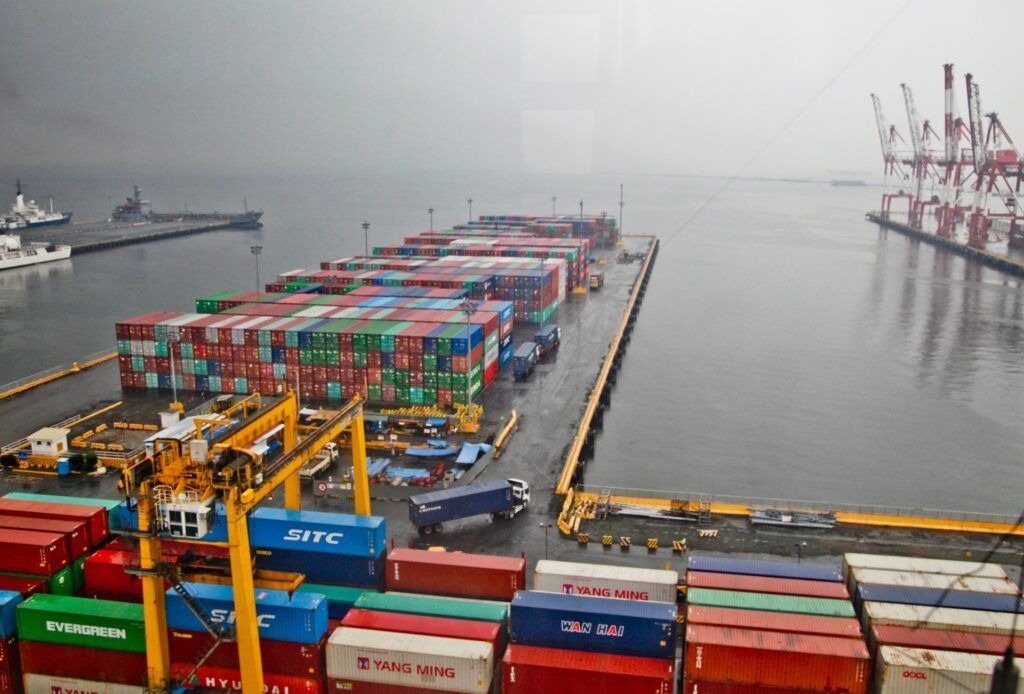
Building Resilient Supply Chains
The disruptions witnessed in global supply chains during events like the COVID-19 pandemic have underscored the importance of resilience. In response, businesses will likely invest in measures to build more robust and flexible supply chains. Redundancy planning, diversified sourcing, and improved risk management strategies will become integral to supply chain operations.
Container Technology on the Rise
In pursuit of efficiency and security, container design and technology innovations are expected to emerge. Containers with built-in temperature control, intelligent tracking capabilities, and enhanced security features could become standard. This evolution in container technology will cater to the specific needs of transporting sensitive goods, a factor that businesses in marine lighting can leverage by providing solutions tailored to these evolving requirements.
Navigating New Trade Routes
Geopolitical shifts, changes in trade agreements, and evolving economic dynamics may result in adjustments to significant trade routes. Consequently, shipping patterns could be reshaped, requiring companies to adapt their supply chain strategies accordingly. Staying informed about these changes will be crucial for businesses navigating the waters of inland marine waterways.
Autonomous and Remote Technologies
The maritime industry is at the cusp of a technological revolution with the rise of autonomous and remote-controlled technologies. Experts predict autonomous ships, drones for monitoring, and remote-controlled container handling equipment will become more prevalent in the coming years. This shift towards automation could reduce the need for human intervention, bringing about greater efficiency and cost-effectiveness in operations.
Navigating Regulatory Seas
Governments and international bodies will likely introduce new regulations to enhance safety, security, and environmental sustainability in the shipping industry. Companies in the maritime sector will need to stay abreast of these regulatory changes and adapt their practices to comply with evolving standards; this may also present opportunities for businesses in marine lighting to contribute to compliance by offering solutions that align with these regulations.
Collaboration Ahead
In an era of connectivity, collaboration is a critical theme in the shipping and supply chain industry. Stakeholders, including manufacturers, logistics providers, and shipping companies, increasingly recognize the benefits of enhanced collaboration and data sharing. This could lead to smoother coordination, reduced inefficiencies, and improved overall supply chain performance. Businesses in marine lighting can explore partnerships and collaborations that align with this trend, offering comprehensive solutions that integrate seamlessly with broader supply chain operations.
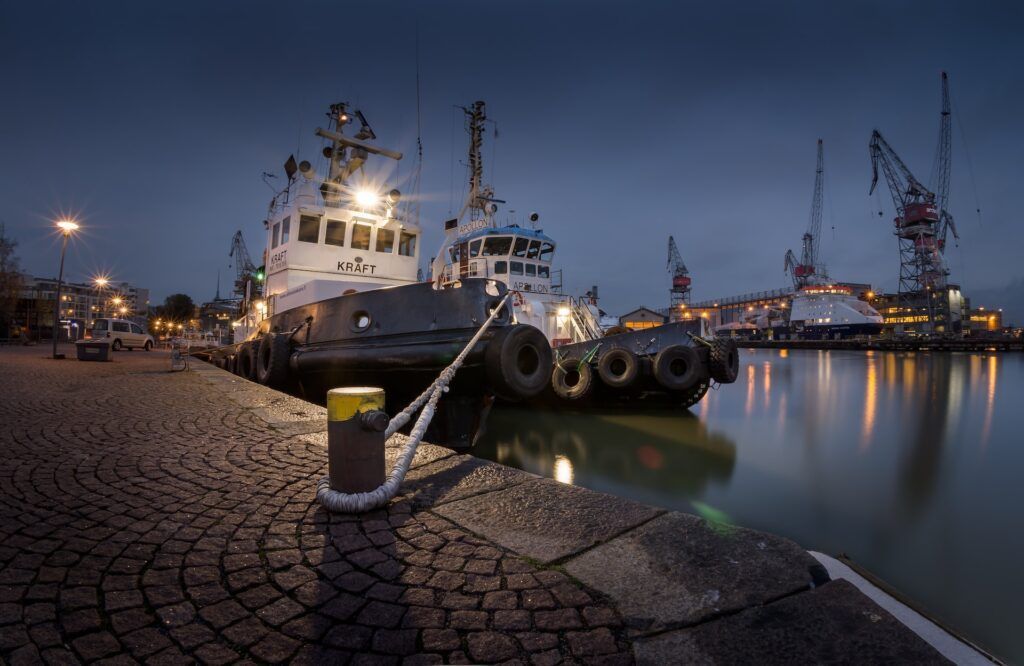
Work With Archway Marine Lighting
As we sail into 2024, the shipping container and supply chain landscape presents challenges and opportunities. Businesses in the marine lighting sector can stay ahead by aligning their strategies with these predicted trends, fostering innovation, sustainability, and collaboration in an ever-evolving industry.
The inland marine industry is essential to many areas, so it is vital to have the right equipment and team to consult with. At Archway Marine Lighting, we have been in the industry as a supplier for 30 years.
Check out our catalog, and let’s connect today!
The post Supply Chain and Shipping Containers Outlook for 2024 appeared first on Archway Marine.