Marine Lighting For Emergency Situations
Safety is paramount in marine environments, and emergency lighting systems play a critical role in ensuring the well-being of crew members, passengers, and cargo during unforeseen events.
For marine industry businesses, such as shipbuilders, offshore platform operators, and marine vessel owners, investing in advanced emergency lighting solutions is not just about compliance—it’s about safeguarding lives, assets, and reputations.
Explore the role of emergency lighting in critical situations and discover how thoughtful design facilitates evacuation and rescue operations from a commercial perspective.
The Role of Emergency Lighting in Marine Safety
Marine environments are inherently unpredictable. From turbulent seas to equipment malfunctions, the potential for emergencies is ever-present.
In such conditions, emergency lighting serves as a lifeline, ensuring visibility, guiding individuals to safety, and preventing panic.
Key scenarios where lighting is indispensable include:
Power Outages: A sudden loss of power on a vessel or offshore platform can plunge the environment into darkness, creating chaos. Emergency lighting ensures continuity by activating automatically.
Fires: Fires aboard ships or platforms can quickly spread, obstructing paths and making it critical to illuminate escape routes effectively.
Collisions or Groundings: These incidents can lead to structural damage and require immediate evacuation. Proper lighting ensures clear pathways even in chaotic situations.
Man-Overboard Scenarios: Adequate external emergency lighting helps locate and recover individuals who have fallen overboard, especially at night.
A well-designed lighting system prevents potential tragedies, minimizes liability risks, and ensures compliance with maritime safety regulations for commercial operators.
Key Features of Emergency Lighting for Critical Situations
Marine emergency lighting systems should include specific features to maximize safety and efficiency.
Automatic Activation: Emergency lighting must automatically engage when the primary power source fails, ensuring immediate illumination without manual intervention.
Battery Backup: Reliable battery systems are critical for keeping lights operational during prolonged power outages – these systems must meet stringent maritime standards for durability and performance.
Durability: Marine environments expose lighting systems to extreme conditions, including saltwater, humidity, and temperature fluctuations. Emergency lights must be built with corrosion-resistant materials and robust enclosures to withstand intense conditions.
Waterproof and Shockproof Design: Lights on ships or platforms must endure vibrations, impacts, and exposure to water without compromising functionality.
Compliance with Safety Standards: Adhering to international safety standards like SOLAS (Safety of Life at Sea) and USCG (U.S. Coast Guard) requirements is a non-negotiable aspect of emergency lighting for marine applications.

Designing Emergency Lighting for Effective Evacuation
In an emergency, every second counts. Thoughtful design of emergency lighting systems can mean the difference between a smooth evacuation and a chaotic scramble.
Strategic Placement:
Lights must be along evacuation routes, staircases, corridors, and doorways to ensure clear guidance. Exit signs and illuminated pathways should be highly visible, even in smoke-filled or water-intruded areas.
Use of Photoluminescent Markings:
Combining emergency lighting with photoluminescent markings enhances visibility. These markings remain visible even when lighting is temporarily obstructed or during power transitions.
Color Coding and Intensity:
Emergency lights should be bright enough to cut through smoke or fog but not so intense that they cause glare. Using color coding, such as green for exits and red for danger zones, provides clear visual cues.
External Lighting for Rescue Operations:
External floodlights on vessels or platforms are crucial for night-time rescue operations. These lights help rescue teams safely locate and approach the vessel, especially in adverse weather conditions.
Integration with Alarm Systems:
Synchronize emergency lighting with alarm systems to provide both visual and auditory guidance. Flashing lights can indicate specific hazards or areas to avoid.
Benefits of Investing in Advanced Emergency Lighting
The commercial advantages of prioritizing emergency lighting are multifaceted for businesses operating in the marine industry and go beyond the primary goal of safety.
Regulatory Compliance:
Meeting international and local safety standards reduces the risk of penalties, legal action, and reputational damage.
Reduced Liability:
A robust emergency lighting system minimizes the potential for accidents and injuries, protecting businesses from costly lawsuits and insurance claims.
Enhanced Crew and Passenger Confidence:
Visible safety measures, such as well-maintained emergency lighting, reassure passengers and crew that their safety is a top priority, improving trust and satisfaction.
Operational Continuity:
Effective emergency lighting ensures that evacuations and rescue operations proceed smoothly in critical situations, minimizing downtime and disruptions to operations.
Competitive Edge:
Offering state-of-the-art emergency lighting solutions can differentiate a company in a competitive market, attracting more customers and contracts.
Future Trends in Marine Lighting
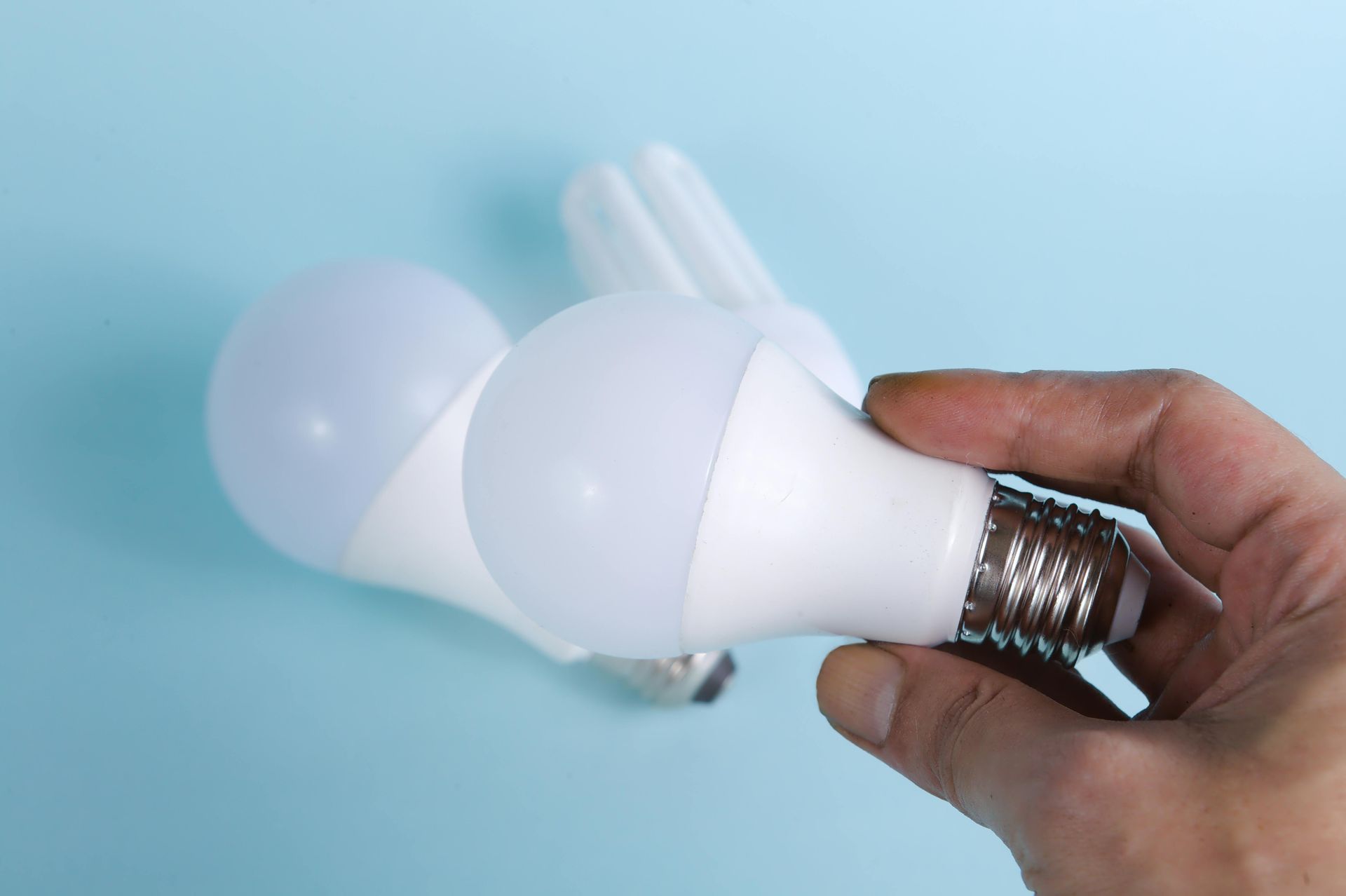
Advancements in technology are reshaping the marine lighting industry. From energy-efficient LED systems to smart lighting integrated with IoT, the future of emergency lighting promises reliability and functionality.
For example, self-testing emergency lights automatically report faults to a central system, reducing maintenance efforts and ensuring readiness.
Similarly, dynamic lighting systems that adjust intensity based on environmental conditions offer enhanced safety and energy efficiency.
Work With Archway Marine Lighting
Emergency lighting systems are essential to marine safety, serving as a beacon of hope in critical situations.
For commercial operators, investing in advanced emergency lighting solutions goes beyond compliance—it’s an investment in their operations’ safety, efficiency, and reputation.
For over 30 years, Archway Marine Lighting has supplied the industry with high-quality lighting solutions. Our catalog features a wide range of products tailored to meet the unique demands of inland navigation, from durable LEDs to advanced innovative lighting systems.
Our commitment to excellence in marine lighting helps operators enhance safety, improve efficiency, and maintain compliance.
Let us help you illuminate your pathway to safe and effective operations.
Explore our catalog
and
connect with our team today
—safely navigating inland waterways demands nothing less than the best marine lighting.
The post Marine Lighting For Emergency Situations
appeared first on Archway Marine.
Let us help you illuminate your pathway to safe and effective operations. Explore our catalog and connect with our team today —safely navigating inland waterways demands nothing less than the best marine lighting.
The post Marine Lighting For Emergency Situations appeared first on Archway Marine.