How to Protect Marine Equipment From Extreme Weather
Mother Nature is often unpredictable, and the effects of extreme weather can be seen across the country’s waterways. Hurricanes can be incredibly impactful on the marine logistics industry, and it’s crucial for both commercial and recreational boaters and boat operators to understand how to lessen that impact.
Large ports bear the brunt of the damage. Some of the busiest ports in the country are located in Louisiana and Texas along the Gulf Coast and in Florida. All of these areas are among the hardest and first hit when a tropical storm in the Atlantic turns into a hurricane. These ports are also the first point of contact for inland waterway shipping routes that take products throughout the rest of the nation.
It’s Not Just Ports
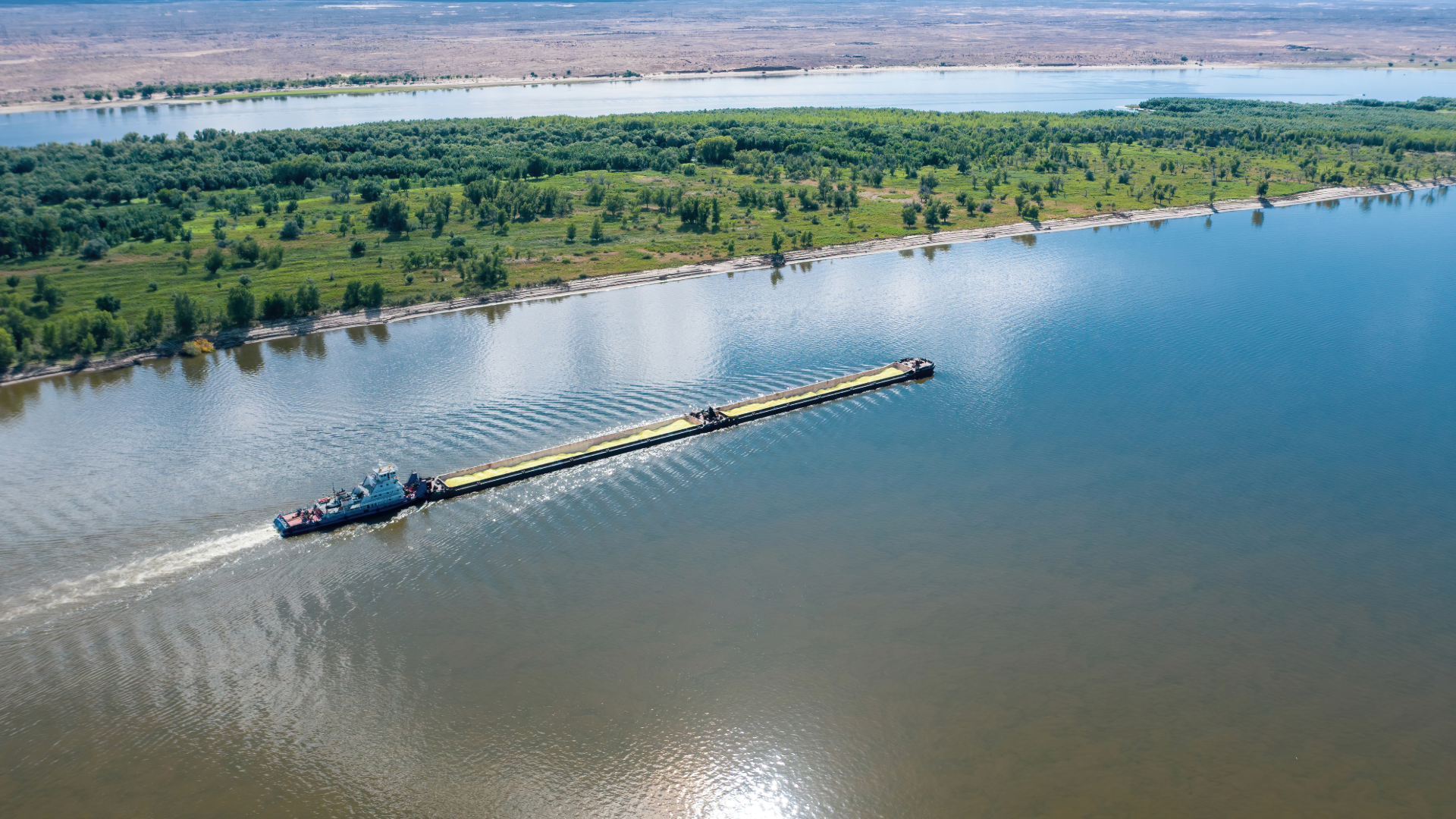
Storm surges travel through inland waterways, canals, and rivers and cause catastrophic flooding. Water becomes muddy, and navigation markers are submerged, making it difficult, if not impossible, for barges to navigate safely. Barges that are moored at inland marinas can become unmoored by the currents.
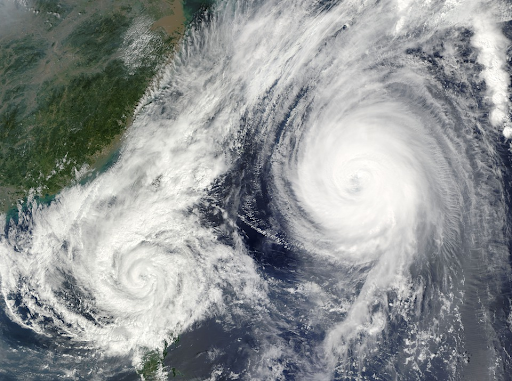
The bands of a swirling hurricane, even if it’s downgraded in strength to a tropical storm, can circulate over areas for hours and even days. This drops extensive amounts of heavy rain and saturates the ground, contributing to flooding in waterways and surrounding communities. This will add even further delay to shipping times and can stall other logistics for intermodal routes that also use rail and trucking freight partners to complete their supply chain.
How to Prepare for Extreme Weather Damage
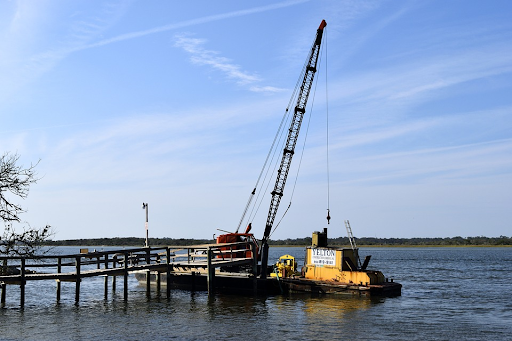
At best, barges are docked before and during storms, and marinas are closed and can be damaged or even destroyed. There have even been incidents of “runaway” barges that have traveled on floodwaters and caused extensive damage to port towns and cities. Goods can be lost, costing companies millions of dollars in inventory that will never reach their destination.
With enough warning, barges and ships docked at the port can travel out into the sea and away from the storm. The US Coast Guard has a plan to warn ships of impending extreme weather so they can do just that.
There are structures built along waterways for barges and ships to take cover; they will prevent certain vessels from becoming unmoored and creating a risk. The Coast Guard will also order barges moored in inland waterways to evacuate to these structures, but if that’s not a possibility, the vessels have to be securely moored, beached, or even sunk as a last resort.
Do You Have an Extreme Weather Plan?
The best way for maritime shipping logistics partners to (literally) weather these storms is to have a robust preparedness plan in place. The captain of the port at larger ports will be the point of contact and dictate how marinas and vessels will handle different levels of inclement weather. In some instances, travel to and from these ports can continue based on the severity of the weather, but the captain of the port will announce when it’s time to stop travel and have ships move out to sea. Being proactive and diverting ships to other ports that aren’t being impacted can help keep deliveries on track.
Inland waterway vessel operators should have a similar plan in place. Make agreements with other providers for rerouting or even cross-docking, and work closely with operators of hurricane control structures to ensure you can use them. You can leverage rail transportation to take inventory from ports and docks of shipping and trucking stalls.
Reach Out for Help
Don’t overlook the vast importance of comprehensive insurance policies that protect against vessel and inventory damage, flooding, and business interruption. After the storm, it’s crucial to get docks and vessels back to operating condition as quickly as possible to avoid continued financial losses. These insurance payouts can fund that effort.
If you’re preparing for a hurricane or looking to rebuild after, our team can help you find the tools you need to minimize the risk of extreme weather. Our team has over 30 years of experience and has seen our fair share of hurricanes. Get in touch now for peace of mind that you won’t get caught in a storm!
The post How to Protect Marine Equipment From Extreme Weather appeared first on Archway Marine.