
Essential Tips for Summer Boat Cleaning
As summer approaches, it’s time to prepare your boat for long days out on the water. A clean vessel looks tremendous and ensures optimal performance and durability. With the right approach and a little elbow grease, you can keep your boat sparkling all summer.
Here are some essential tips for maintaining a clean and inviting vessel throughout the season, whether it’s your commercial rig or a personal watercraft.
Regular Wash Downs
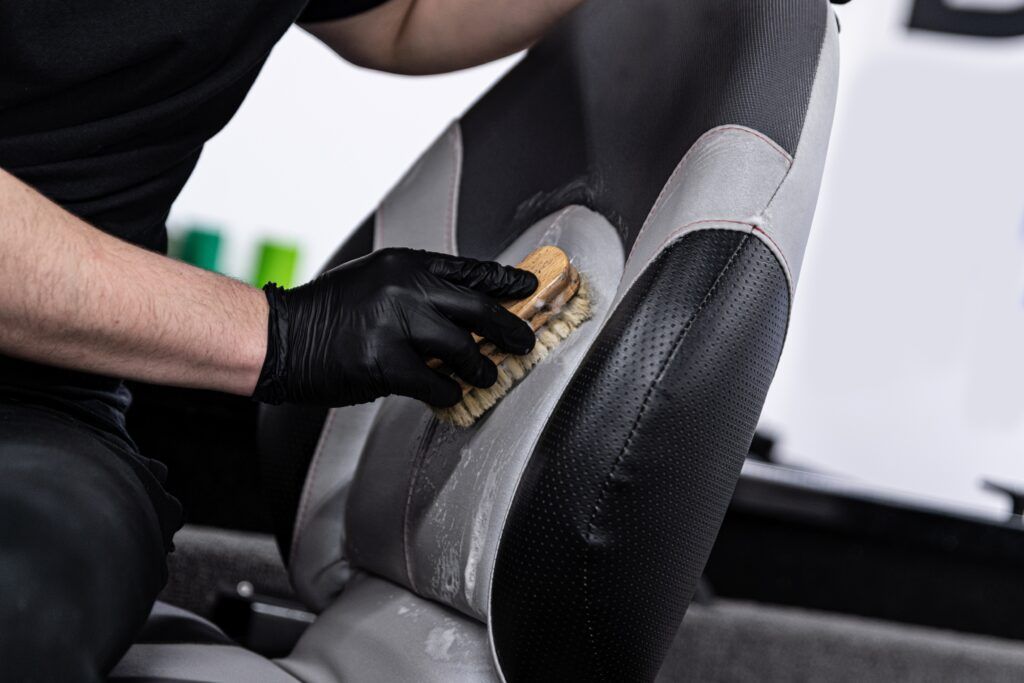
Saltwater, algae, and other debris can quickly accumulate on your boat’s surfaces, leading to stains and corrosion. Schedule regular washdowns with fresh water to remove salt and grime. Use a gentle boat soap and a soft-bristled brush to scrub away dirt without damaging the finish.
Protect Against UV Damage
Prolonged exposure to sunlight can cause fading, cracking, and deterioration of your boat’s gel coat, upholstery, and other surfaces. To prevent sun damage, apply a UV protectant to vinyl upholstery, rubber seals, and plastic trim. Consider investing in a boat cover or canopy to provide additional protection when your boat is unused.
Clean and Condition Upholstery
Boat upholstery is exposed to sun, salt, and moisture, making it susceptible to mold, mildew, and discoloration. Regularly clean vinyl upholstery with a mild soap and water solution, and use a vinyl conditioner to keep it supple and resistant to cracking. Promptly address any spills or stains to prevent permanent damage.
Address Mold and Mildew
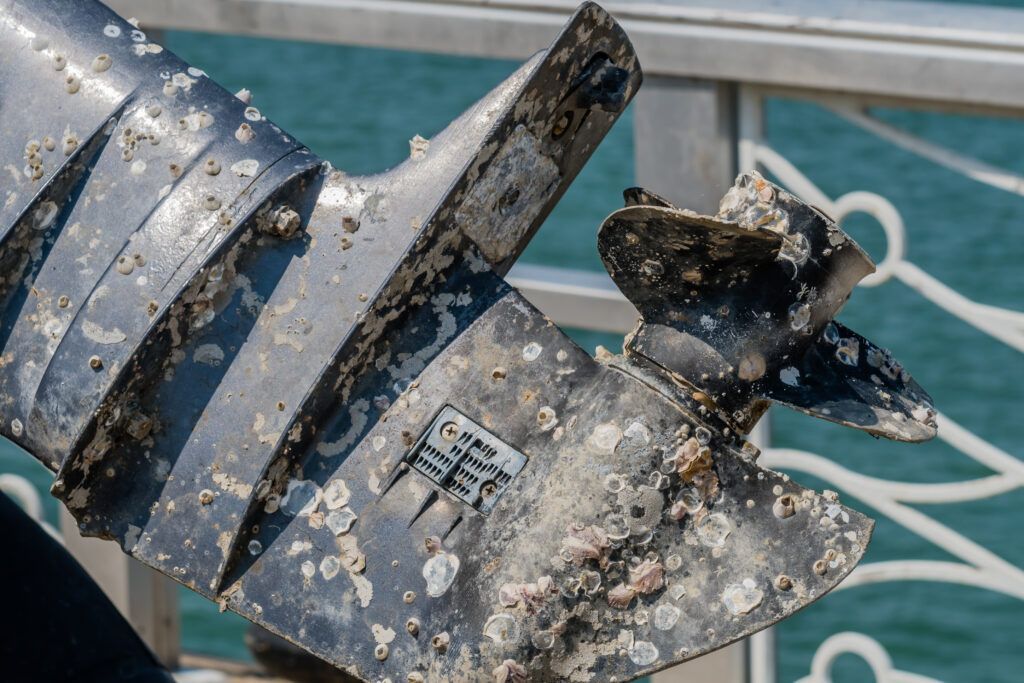
High humidity and stagnant air can create the perfect environment for mold and mildew to thrive on boat surfaces. Keep your boat well-ventilated when not in use. Use moisture-absorbing products such as desiccants or dehumidifiers to prevent mold growth. If mold or mildew does appear, use a marine-grade cleaner specifically formulated to eliminate fungi without harming surfaces.
Don’t Forget the Deck
The deck of your boat is exposed to foot traffic, spills, and environmental debris, making it prone to stains and grime buildup. Sweep or rinse the deck regularly to remove loose debris, and deep clean with a specialized boat deck cleaner as needed. Pay attention to non-skid surfaces, as dirt and grime can become trapped in textured areas and compromise traction.
Tackle Rust and Corrosion
Metal components such as cleats, railings, and hardware are susceptible to rust and corrosion in a marine environment. Inspect metal surfaces regularly for signs of corrosion, and promptly remove rust using a rust remover or a wire brush. Apply a corrosion inhibitor or protective coating to prevent future oxidation.
Clean Canvas and Covers
Canvas covers and enclosures protect your boat from the elements. However, they can also harbor dirt, mold, and mildew if not properly maintained. Regularly brush off loose debris and hose down canvas surfaces with fresh water. Use a canvas cleaner and mildew remover to spot-clean stains and prevent fungal growth. Allow the canvas to dry thoroughly before storing it to prevent mold and mildew.
Engine and Bilge Maintenance
A clean engine and bilge not only improve performance but also help prevent mechanical issues and environmental contamination. Regularly flush the engine with fresh water to remove salt and debris, inspect hoses, filters, and belts for signs of wear or damage, and clean the bilge with a bilge cleaner to remove any oil or fuel residue to prevent pollution.
Work With Archway Marine Lighting
Keeping your boat clean during the summer requires diligence and regular maintenance. Still, the effort is well worth ensuring a safe, comfortable, and enjoyable boating experience. By following these essential tips and establishing a routine cleaning schedule, you can keep your vessel looking its best and ready for adventure all season long. So, gather your supplies, roll up your sleeves, and prepare to make a splash with a sparkling clean boat!
The inland marine industry is essential, so it is vital to have the right team to consult with. At Archway Marine Lighting, we have been in the industry as a supplier for 30 years. Check out our catalog, and let’s connect today!
The post Essential Tips for Summer Boat Cleaning appeared first on Archway Marine.