Critical Waterway Routes in the U.S.
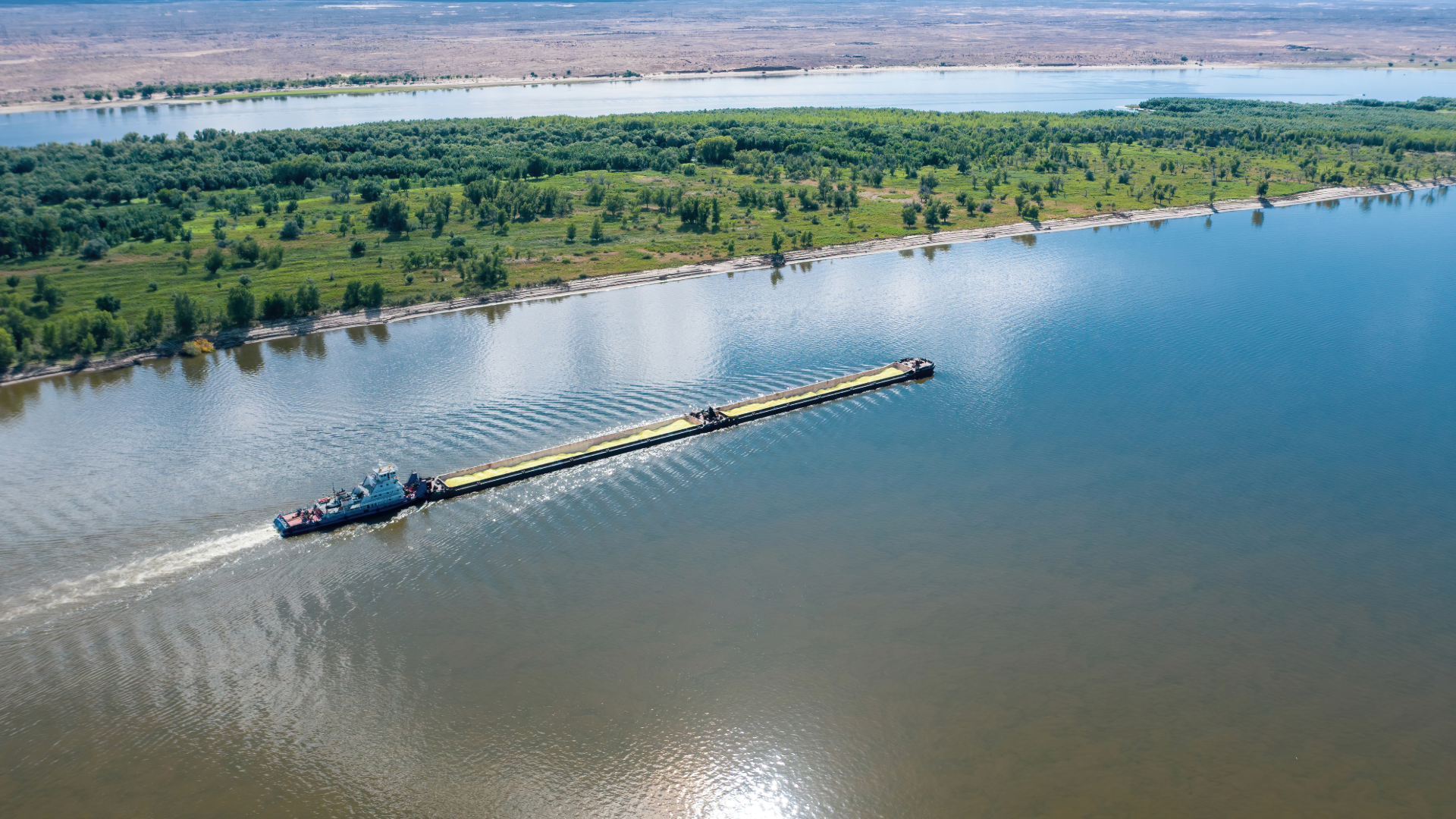
One of the most unique parts of the United States is its geographic landscape. Across the contiguous 48 states are mountains, forests, deserts, lakes, rivers, and just about any natural feature you can think of. The inland waterway systems throughout the U.S. are critical for shipping, transportation, recreation, and conservation.
As a marine lighting company, we understand the importance of inland waterway routes in the United States. These routes serve as a critical mode of transportation for goods and are vital to the country’s economy. This blog post will discuss the most critical waterway routes in the U.S. and the importance of supporting these waterways through conservation efforts.
Mississippi River System
The Mississippi River system is the largest and most important inland waterway in the United States. It stretches over 2,300 miles from the Gulf of Mexico to the Great Lakes and includes the Mississippi River, Illinois River, Ohio River, and many other tributaries. The Mississippi River alone accounts for 60% of all U.S. grain exports and 22% of the country’s total waterborne tonnage. Due to the high traffic volume on the Mississippi River system, the waterway must be well-maintained and adequately lit. Our marine lighting solutions can help ensure vessels safely navigate these waterways, even in low-light conditions.
Ohio River
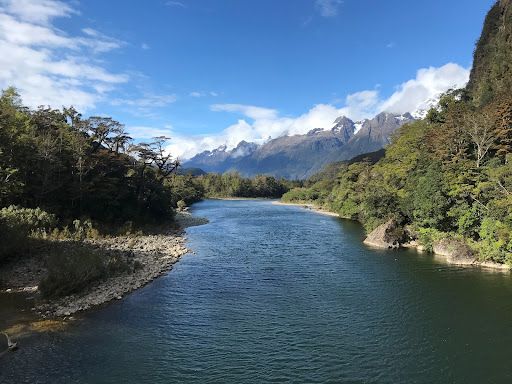
The Ohio River is a major tributary of the Mississippi River and runs from Pittsburgh to Cairo, Illinois. It is an important transportation route for coal, petroleum, and chemicals. The river also serves as a source of drinking water for millions of people in the region. Conservation efforts are essential for the Ohio River, as it faces challenges such as pollution and sedimentation. One of the ways to support the Ohio River is by implementing sustainable practices that reduce pollution and protect water quality.
Tennessee-Tombigbee Waterway
The Tennessee-Tombigbee Waterway is a man-made canal that connects the Tennessee River to the Tombigbee River in Mississippi. It provides a navigable route between the Midwest and the Gulf of Mexico. This waterway is crucial for transporting coal, wood products, and agricultural goods. To support the Tennessee-Tombigbee Waterway, it is essential to maintain water quality and reduce the impact of invasive species. Our marine lighting solutions can also play a role in conservation efforts by using energy-efficient lighting options that minimize environmental impact.
Columbia-Snake River System
The Columbia-Snake River system is a series of rivers and canals in the Pacific Northwest that extends from the Pacific Ocean to Lewiston, Idaho. It is an important transportation route for wheat, timber, and other goods. The system also supports a range of fish and wildlife species, including salmon and steelhead. Conservation efforts for the Columbia-Snake River system involve balancing the needs of transportation with the needs of the environment. This can include measures such as maintaining water quality and preserving habitat for fish and wildlife.
Gulf Intracoastal Waterway
The Gulf Intracoastal Waterway is a system of canals and waterways that runs along the Gulf Coast from Texas to Florida. It provides a navigable route for barges and ships carrying oil, chemicals, and other goods. The waterway also serves as a habitat for various marine life, including fish and sea turtles. Conservation efforts for the Gulf Intracoastal Waterway include reducing the impact of oil spills and minimizing the impact of coastal development. Marine lighting solutions can also play a role in these efforts by using safe lighting options for marine life.
Great Lakes
The Great Lakes are the world’s largest group of freshwater lakes and provide a critical transportation route for bulk goods like iron ore, coal, and grain. The lakes also support a range of fish and wildlife species, including lake sturgeon and lake trout. Conservation efforts for the Great Lakes involve reducing pollution and addressing the threat of invasive species.
Looking Ahead
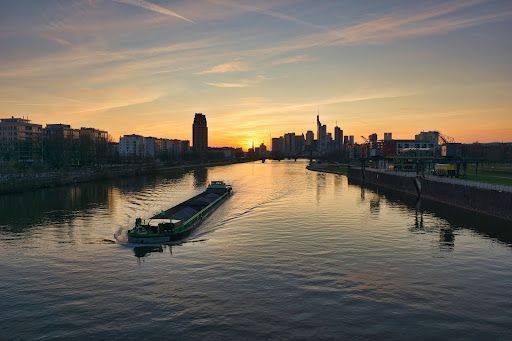
The established inland waterway system in the United States is undergoing a technological revolution to improve efficiency and safety. One of the major innovations is using advanced navigation technologies, such as GPS and sonar, to enhance the accuracy and reliability of vessel tracking and collision avoidance. Additionally, there is an increased focus on developing “smart” waterways that use sensors and real-time data to optimize vessel traffic flow and reduce congestion. The U.S. Army Corps of Engineers also invests in modernizing aging infrastructure, including locks and dams, to improve navigation and reduce delays.
Furthermore, there are efforts to expand the waterway system by constructing new locks, dredging channels, and building new ports, which would increase the capacity of the system and facilitate the movement of goods. Overall, these innovations promise to make inland waterways a more competitive and sustainable mode of transportation.
Connect With Archway Marine Lighting
The inland marine industry is essential to many areas, so it is important to have the right equipment and team to consult with. At Archway Marine Lighting, we have been in the industry as a supplier for 30 years. Check out our catalog, and let’s connect today!
The post Critical Waterway Routes in the U.S. appeared first on Archway Marine.