A Guide to Marine LED Upgrades
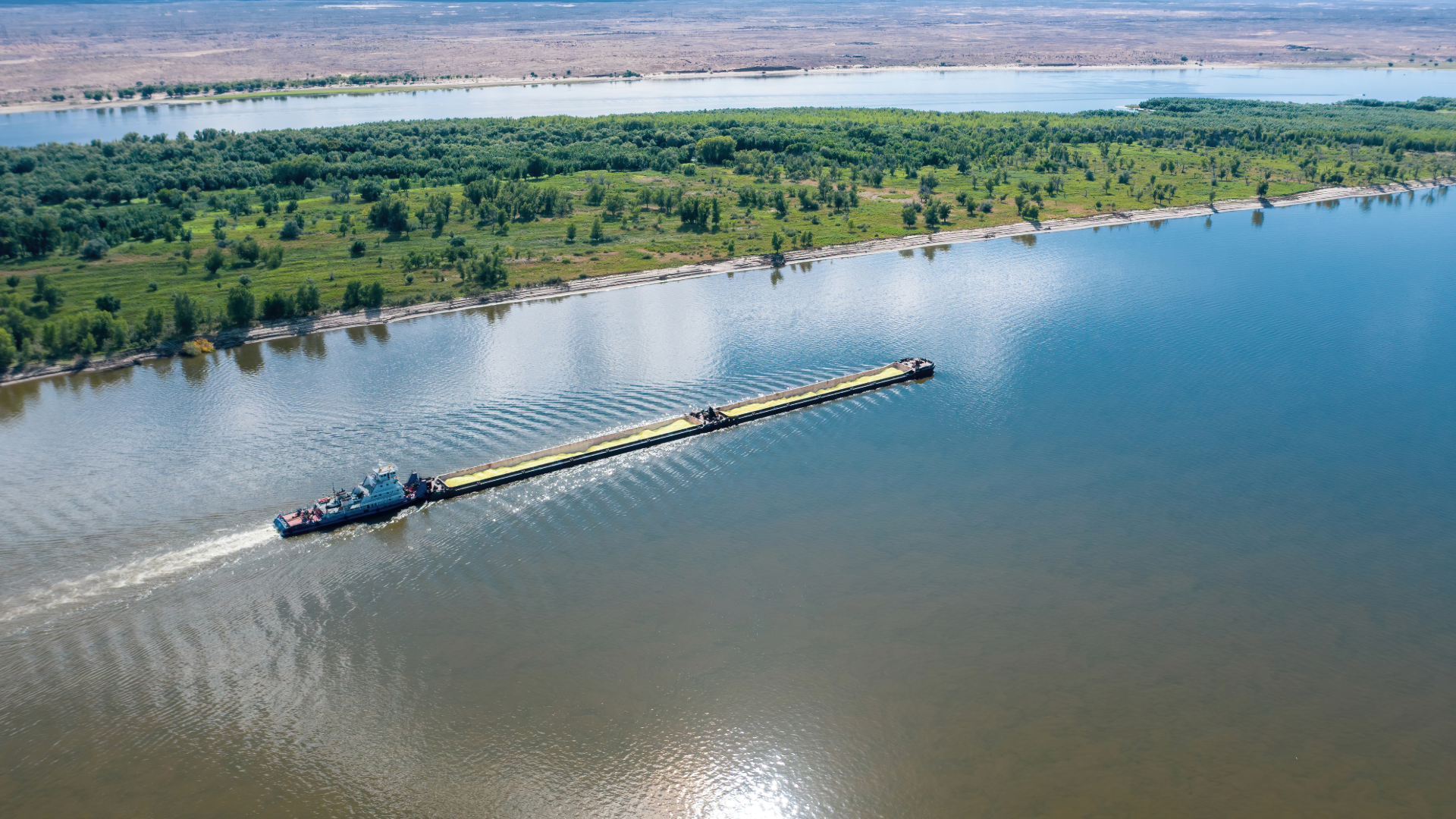
Upgrading to marine LED lighting is one of the quickest and easiest ways to boost the sustainability and energy efficiency of barges, marine vessels, and facilities along the waterway. Still, the upfront cost of investment can often cause sticker shock. Because marine LED upgrades may be considered a luxury and not a necessity, the key to justifying that cost is figuring out the return on that investment throughout the lighting’s lifetime.
While there are formulas to easily calculate the quantifiable ROI of LED upgrades, it’s not always easy to determine whether that number is good enough to justify the upgrade. Ultimately, the best way to get proper ROI from a LED upgrade is by working closely with a distributor with experience. Our team is proud to work with you to find the best marine LED lighting solutions for your needs. Don’t overlook some important factors when figuring out when it’s time for marine LED upgrades.
Lower Maintenance Costs
When lighting and fixtures last longer, they ultimately require less maintenance over time; this is one of the strongest selling points for marine LED upgrades. Traditional lighting requires frequent replacement, and in some marine and barge applications, replacement takes special equipment operated by skilled professionals — an additional cost to include in maintenance calculations. Maintenance can also disrupt business operations. Don’t overlook the cost of downtime for your barge or facility, as complicated maintenance processes are performed to keep lighting working as it should.

Energy and Sustainability
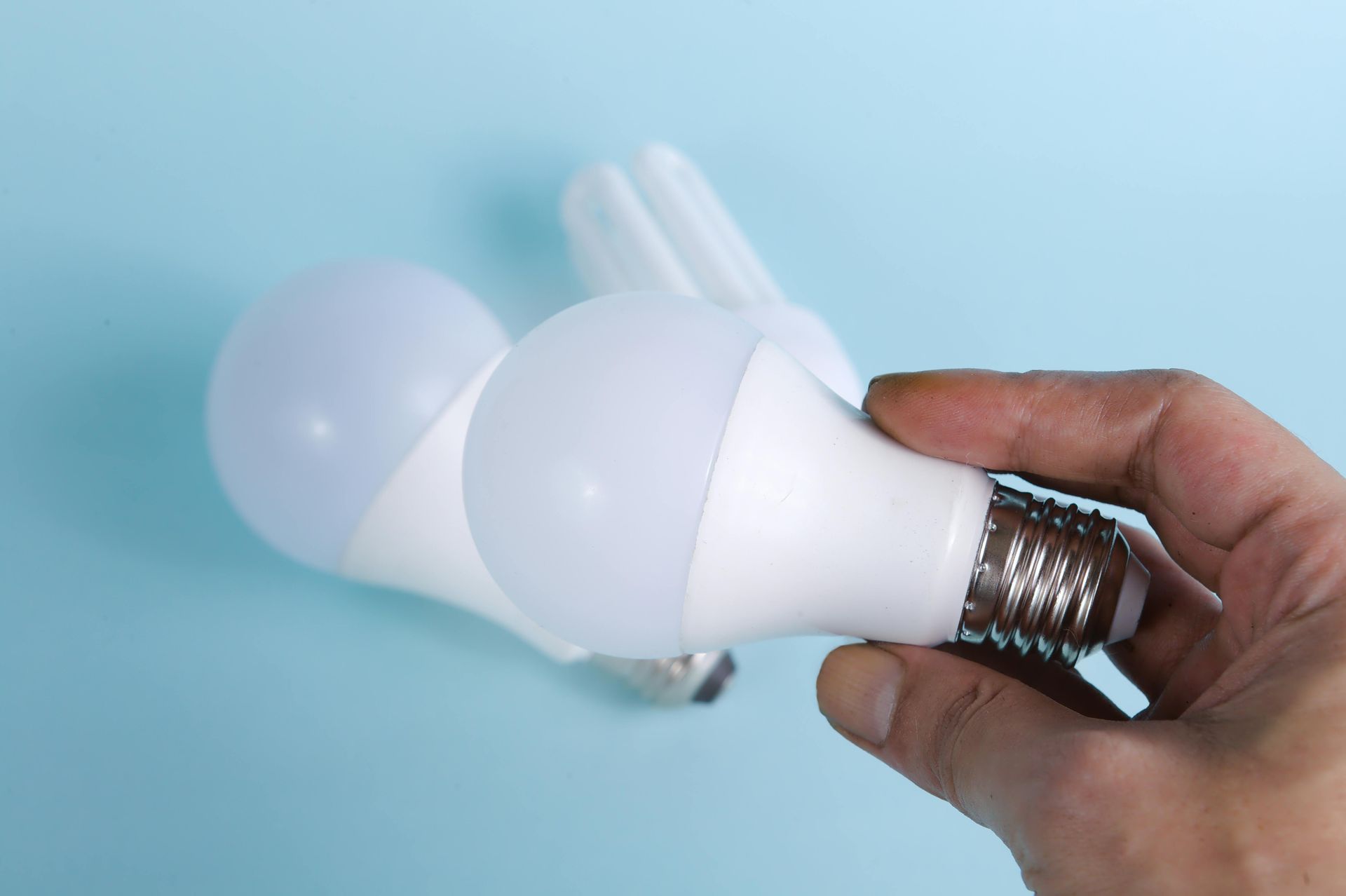
One of the most apparent benefits of LED lighting upgrades is the reduction of energy consumption. When traditional lighting is replaced with LED lighting at the same brightness, facilities can see savings that would pay for the LED investment over two or three years.
Calculators are available online to determine the energy savings from an LED lighting upgrade. Still, the savings will be significant over the lifetime of the lighting (which is around ten years for most LED bulbs and fixtures). Factor in these annual savings when determining ROI.
Calculate the Savings
Before figuring out the formulas, here are the specs you need to collect to do the math.
- Hours per day lights are on
- Number of days per week that the lights are lit
- Number of fixtures or lamps
- Wattage of lamps
- Ballast factor of lamps
- Your current kWh rate
- The estimated cost of yearly maintenance
- Proposed new fixtures or lamp quantity
- The installation cost of new fixtures
These numbers are then plugged into several equations.
Finding fixture hours per year: Hours per day x days per week x 52 weeks = hours per year
Estimating total fixture wattage: Number of lamps x wattage of lamps x ballast factor = fixture wattage
Existing energy use (kWh): Existing fixture quantity x fixture wattage x hours per year = kWh 1000
Existing total energy cost per year: kWh x utility rate = yearly energy cost (in dollars)
Proposed energy use (kWh): Proposed fixture quantity x LED fixture wattage (no ballast factor) x hours per year = kWh 1000
Proposed total energy cost per year: kWh x utility rate = yearly energy cost (in dollars)
Installation cost: Proposed fixture quantity x installation cost per fixture = total installation cost
Yearly energy savings: (Existing kWh – Proposed kWh) x utility rate = yearly energy savings (in dollars)
Yearly savings: (Proposed total energy cost + proposed total maintenance cost) – (Existing total energy cost + existing total maintenance cost) = annual savings (in dollars)
The post A Guide to Marine LED Upgrades appeared first on Archway Marine.